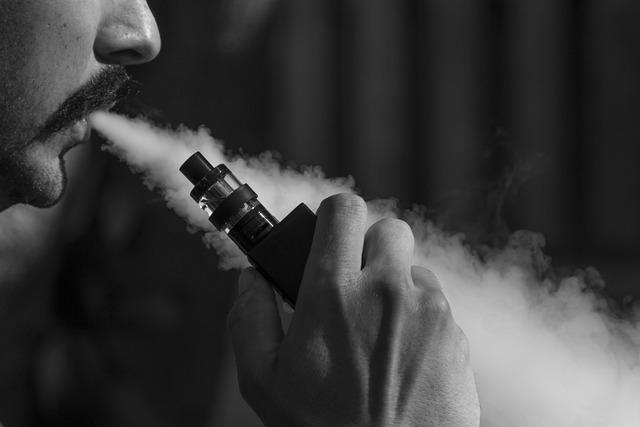
Vape Ignites Fire Mid-Flight, Forcing Emergency Landing
Vape Device Ignites Mid-Flight Prompting Urgent Emergency Landing
An unexpected incident unfolded mid-flight as a passenger’s vape device caught fire during the Brisbane to Melbourne journey. The pilot acted swiftly, notifying air traffic control and declaring an emergency. Passengers described a sudden plume of smoke accompanied by a strong chemical odor emanating from the affected seat. Flight attendants quickly intervened, using onboard fire extinguishers to contain the blaze and calm worried travelers.
Following the emergency protocol, the aircraft diverted to the nearest airport, ensuring a safe and controlled landing. No injuries were reported, though several passengers required medical evaluation for smoke inhalation. Authorities have since launched an investigation into the cause of the malfunction, emphasizing the potential hazards of electronic smoking devices onboard. Key safety reminders from the airline include:
- Prohibition of charging vape devices in-flight.
- Strict adherence to carrying regulations regarding batteries and e-liquids.
- Immediate reporting of any device overheating or unusual smells.
| Flight Details | Status |
|---|---|
| Origin | Brisbane Airport (BNE) |
| Destination | Melbourne Airport (MEL) |
| Emergency Landing | Gold Coast Airport (OOL) |
| Incident Time | Approx. 45 minutes into flight |
Investigation Reveals Safety Lapses and Potential Hazards of E-Cigarettes on Aircraft
Following the alarming incident aboard a Brisbane to Melbourne flight, investigators uncovered significant safety oversights linked to the use of e-cigarettes on aircraft. Preliminary findings indicate that the lithium-ion battery within the vape device triggered an unexpected thermal event, igniting a small fire in the cabin. This raises pressing concerns about the enforcement of existing regulations and the adequacy of passenger screening procedures regarding electronic smoking devices. Authorities are now calling for stricter measures to prevent similar occurrences, highlighting the unpredictable nature of these gadgets when exposed to the unique environment of flight.
Key Risks Identified:
- Potential for battery overheating and combustion in confined spaces
- Insufficient passenger education on device safety during air travel
- Lack of standardized protocols for handling vaping-related emergencies onboard
- Challenges in detecting and managing e-cigarettes during security checks
| Safety Factor | Impact Level | Recommended Action |
|---|---|---|
| Battery Stability | High | Ban use and charging during flight |
| Passenger Awareness | Medium | Mandatory pre-flight safety briefings |
| Security Screening | Medium | Enhanced device detection protocols |
Aviation Authorities Urge Stricter Regulations and Passenger Awareness to Prevent Future Incidents
Aviation regulators across Australia have called for urgent reforms following the recent in-flight vape fire incident that forced an emergency landing between Brisbane and Melbourne. Officials are pushing for stricter regulations on the transport and use of electronic smoking devices aboard commercial flights, emphasizing the need for clearer guidelines and stronger enforcement mechanisms. Additionally, there is a growing consensus that passenger education must be enhanced to ensure compliance with safety protocols, minimizing risks associated with battery-powered devices at high altitudes.
Industry experts propose several immediate measures to mitigate future hazards, including:
- Mandatory pre-flight announcements focusing on vape device restrictions
- Enhanced screening procedures for electronic devices at security checkpoints
- Improved in-flight emergency response training for crew members, specifically addressing vape-related fires
- Updated airline policies clearly communicating the consequences of non-compliance
With these initiatives, authorities aim to safeguard air travel and restore passenger confidence after the unsettling incident disrupted a routine domestic flight.
| Measure | Purpose | Expected Impact |
|---|---|---|
| Stricter Device Regulations | Limit dangerous materials onboard | Reduce risk of fires |
| Passenger Awareness Campaigns | Educate on safety protocols | Increase compliance |
| Enhanced Crew Training | Better emergency handling | Faster incident response |
To Conclude
The incident highlights the ongoing safety concerns surrounding the use of vaping devices on board aircraft. Authorities continue to investigate the cause of the fire, while airlines and regulators review protocols to prevent similar occurrences in the future. Passengers are reminded to adhere strictly to airline regulations regarding electronic devices to ensure the safety of all on board.