How Ramadan in Egypt Reshaped My Understanding of Hospitality
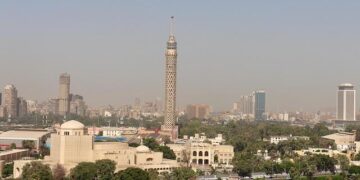
As the sun sets over the vibrant streets of Cairo, the call to prayer echoes through the bustling city, marking the onset of Ramadan-a month of fasting, reflection, and deepened community ties for millions of Egyptians. For many, this sacred time transcends mere religious obligations; it embodies a profound cultural ethos centered around hospitality, generosity, and sharing. This year, as I immersed myself in the rhythms of Ramadan in Egypt, my understanding of hospitality was profoundly reshaped. From communal iftars that brought together neighbors and strangers alike to the heartfelt offers of food, connection, and warmth, the experiences encountered revealed the transformative power of kindness and community. This article delves into the rich tapestry of Egyptian hospitality during Ramadan and explores how these moments not only foster stronger bonds among locals but also offered me, as an outsider, a fresh perspective on the true meanings of generosity and belonging.
Exploring the Essence of Egyptian Hospitality During Ramadan
Ramadan in Egypt transcends the mere act of fasting; it embodies a profound cultural ethos steeped in communal ties and generosity. As the sun sets, the atmosphere transforms, with the streets alive with the sounds of families and friends gathering to break their fast. Traditionally, this iftar meal begins with dates and water, symbolizing warmth and hospitality. Many households go beyond sharing a meal; they open their doors to neighbors and even strangers, reinforcing the principle that hospitality is integral to Egyptian identity. This unyielding spirit of togetherness creates a vibrant tapestry of interwoven lives, where every shared meal strengthens bonds and nurtures relationships.
The hospitality during Ramadan is not limited to the dinner table. Local businesses often extend their warmth through complimentary offerings in the spirit of the month. Common practices include:
- Setting up free iftar stations in public spaces for those in need.
- Organizing charitable food drives to ensure that no one goes hungry.
- Inviting the community for nightly Tarawih prayers followed by refreshments.
This convergence of faith and generosity during Ramadan serves as a reminder that hospitality is not just an act; it is a way of life that uplifts everyone within the community. By experiencing these traditions firsthand, one cannot help but re-evaluate the true essence of welcoming others and the role it plays in fostering unity and compassion.
Culinary Traditions That Bring Communities Together
- Koshari – a hearty mix of rice, lentils, and pasta topped with a tangy tomato sauce.
- Fattah – a flavorful dish combining layers of rice, crispy bread, and a garlic-vinegar sauce.
- Kunafa – a sweet pastry soaked in syrup that tantalizes the taste buds after a long day of fasting.
| Aspect | Description |
|---|---|
| Community Iftar | Neighborhood gatherings where locals share meals and celebrate together. |
| Interfaith Participation | People of various beliefs coming together to partake in Iftar meals. |
| Charitable Giving | Encouragement to donate food or resources to those in need. |
Lessons in Generosity and Community Spirit from Egyptian Streets
As I experienced the vibrant spirit of Ramadan in Egypt, it became clear that generosity is woven into the very fabric of society. This holy month is not merely a time for personal reflection; it transforms into an invitation for communal sharing. Whether it’s through the offering of iftar meals to those in need or the spontaneous acts of kindness from strangers, the level of hospitality encountered is overwhelming. Streets that are usually busy with traffic morph into communal dining areas, where families and friends gather to break their fast together. This culture of sharing and caring manifests in several key ways:
- Iftar Tables: Community tables adorned with food, often set up by families or organizations, providing free meals to anyone who needs them.
- Charitable Donations: A widespread practice where wealthier individuals contribute financially or provide food supplies to ensure that everyone can partake in the evening meal.
- Neighborhood Feasts: Residents come together to share their home-cooked dishes, fostering a sense of belonging and collective celebration.
This rich tapestry of hospitality teaches that generosity is not confined to simple acts, but rather, it is an expression of solidarity and mutual respect. The sheer joy seen in the faces of those participating in these acts-not just giving but receiving-creates an atmosphere where compassion thrives. In many neighborhoods, you can find large groups of people gathering, relishing not just the food but the shared experiences that come with it. The impact of these generous acts extends beyond Ramadan, instilling a lifelong commitment to community welfare. Here’s a glimpse of how this culture can be summarized in a simple table:
| Generosity Aspect | Description |
|---|---|
| Community Iftar | Free meals served in public spaces for all, promoting inclusivity. |
| Food Drives | Organizations collecting and distributing food to those in need. |
| Shared Resources | Families pooling resources to host larger gatherings. |
Closing Remarks
In conclusion, my experience of Ramadan in Egypt has profoundly reshaped my understanding of hospitality, revealing the intricate layers of cultural exchange and community spirit that define this holy month. The warmth and generosity exhibited by the Egyptian people during this time underscore the importance of connection and sharing, not merely among family and friends, but with strangers as well. From the bustling streets of Cairo to the serene landscapes of rural villages, the essence of Ramadan transcends mere ritual, instead offering a vivid tapestry of compassion and unity. As we reflect on the significance of these practices, it becomes clear that hospitality in Egypt is not simply an act; it is a cherished tradition that enriches lives, fosters relationships, and ultimately brings people together in the shared pursuit of understanding and goodwill. Through this lens, we can appreciate not only the spiritual dimensions of Ramadan but also its capacity to inspire a broader dialogue about generosity and community across cultures.