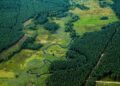
Exploring Yunnan: The Best Times to Visit and What to Avoid
Nestled in the scenic embrace of southwestern China, Yunnan Province offers a stunning tapestry of natural beauty, rich cultural heritage, and vibrant ethnic diversity. From the towering peaks of the Himalayas to the serene shores of picturesque lakes, Yunnan attracts travelers year-round. However, timing your visit can make all the difference between a delightful adventure and an uneven experience marred by weather disruptions or overcrowding. In this article, we dissect the prime seasons for exploration, highlighting what tourists should embrace and what pitfalls to avoid, ensuring that your journey through Yunnan is as enriching and memorable as the region itself. Whether you’re drawn by the ethereal beauty of the ancient towns, the mesmerizing landscapes, or the unique cuisine, understanding the nuances of Yunnan’s climate and tourism trends will enhance your visit to this enchanting province.
Optimal Seasons for Experiencing Yunnan’s Natural Beauty
When it comes to experiencing the breathtaking natural beauty of Yunnan, timing is everything. Spring (March to May) is ideal, as the landscape transforms into a canvas of vibrant colors. The blooming rhododendrons and fresh greenery create a spectacular backdrop, particularly in areas like Lijiang and Dali. The weather during this season is generally mild, making it perfect for outdoor activities like trekking and exploring the diverse ethnic villages. Additionally, autumn (September to November) is equally enchanting, with the leaves turning various shades of gold and crimson. This is a fantastic time for photography enthusiasts and nature lovers alike.
While the seasons mentioned above offer optimal experiences, certain times should be approached with caution. The summer months (June to August) bring not only increased humidity but also a significant influx of tourists. This can lead to crowded attractions and higher prices, particularly in popular destinations like Shangri-La. Furthermore, the winter months (December to February) can be harsh, especially in high-altitude regions. The cold weather may deter exploration, as many remote areas become difficult to access. To fully appreciate Yunnan’s stunning landscapes, planning your visit during the shoulder seasons of spring and autumn is highly recommended.
Key Festivals and Events to Plan Your Visit Around
Yunnan is a cultural mosaic that dazzles visitors with its vibrant festivals and events, making it a prime destination for those looking to immerse themselves in local traditions. Planning your visit around these celebrations can enhance your experience, allowing you to partake in authentic customs and witness the colorful pageantry unique to this region. Some of the most notable events include:
- Spring Festival (Chinese New Year) – Lasts for 15 days, typically in January or February, featuring lion dances and family reunions.
- Xishuangbanna Water Splashing Festival – Celebrated in April, this event marks the Dai New Year, where locals and visitors engage in joyous water fights.
- Mid-Autumn Festival – Celebrated in September, this event features moon-gazing, lantern displays, and the tasting of delicious mooncakes.
- Three Pagodas Festival – Held in Dali every year in May, this festival showcases traditional performances, artisan markets, and local cuisine.
Additionally, timing your visit to coincide with these festivals not only enhances your cultural understanding but also offers unique opportunities for photography and engagement with local communities. For a detailed overview, refer to the following table which offers essential information on some key festivals:
| Festival/Event | Date | Location |
|---|---|---|
| Spring Festival | January/February | Throughout Yunnan |
| Xishuangbanna Water Splashing Festival | April | Xishuangbanna |
| Mid-Autumn Festival | September | Across the province |
| Three Pagodas Festival | May | Dali |
Avoiding Weather Pitfalls and Tourist Crowds in Yunnan
When planning your journey to Yunnan, timing is crucial to ensure that you dodge both weather pitfalls and tourist congestion. The wet season, typically from May to October, can bring heavy rains, particularly in the rainy months of July and August. During this period, treks in the picturesque areas like Shangri-La can be muddied and slippery, diminishing the joy of exploration. Instead, consider visiting during the spring months (March to May) or autumn (September to early November), where you can enjoy mild temperatures, vibrant landscapes, and relatively fewer tourists.
To further enhance your experience, here are some strategic tips to avoid the crowd:
- Visit popular spots early in the morning to escape the peak tourist rush.
- Travel to lesser-known areas like the Baoshan Stone Village or Ninger Hani Autonomous County to enjoy a quieter atmosphere.
- Consider midweek travel, avoiding weekends when local tourists typically flock to the attractions.
Additionally, a weather overview table can help present a clearer picture:
| Month | Average Temp (°C) | Rainfall (mm) | Tourist Traffic |
|---|---|---|---|
| January | 10-15 | 30 | Low |
| April | 15-20 | 40 | Moderate |
| July | 20-25 | 200 | High |
| October | 15-20 | 15 | Moderate |
To Wrap It Up
In conclusion, understanding the best times to visit Yunnan can substantially enhance your travel experience in this breathtaking province of China. From the vibrant blooms of spring to the crisp clarity of autumn, each season offers something unique for visitors. Conversely, being aware of when to avoid the peak rainy months or overcrowded festivities can help you navigate potential pitfalls and ensure a more enjoyable trip. As you plan your journey to Yunnan, consider these insights to tailor your itinerary and make the most of what this culturally rich and diverse region has to offer. Whether you’re drawn to its stunning landscapes or its rich tapestry of ethnic traditions, Yunnan promises an unforgettable adventure-just be sure to time your visit wisely.