Exploring Rio de Janeiro’s Architectural Tapestry: From Skyscrapers to Favelas
As one of the most vibrant cities in Brazil, Rio de Janeiro is renowned for its stunning natural landscapes, but its architectural diversity is equally captivating. This article delves into the striking contrasts that define Rio’s skyline and urban fabric, from the imposing skyscrapers of its financial district to the colorful shanty towns of its favelas. As the city prepares to host an influx of visitors for various international events, understanding the multitude of architectural styles that represent Rio’s cultural history offers invaluable insight into its social dynamics. Join us as we navigate the rich tapestry of Rio de Janeiro’s built environment, showcasing the resilience, creativity, and complexity of a city that is both a global icon and a mosaic of experiences.
Exploring the Skyline: A Journey Through Rio’s Financial District Architectural Marvels
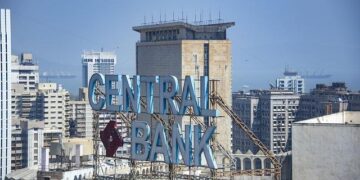
The financial district of Rio de Janeiro boasts a remarkable array of architectural styles that reflect the city’s vibrant economic history. Among the towering skyscrapers that dominate the skyline, structures such as the Edifício A Noite, the city’s first skyscraper, stand alongside modern giants like the Safra Tower. Each building tells a part of Rio’s story, showcasing a blend of neoclassical elegance and contemporary design. The district is a testament to the city’s ambition and the innovative spirit that fuels its growth. Visitors can marvel at:
- Modernist Influences: Highlighted by curved lines and glass facades.
- Art Deco Elements: Seen in the intricate details of older structures.
- Historic Preservation: Notable buildings restored to maintain their original charm.
Walking through this bustling financial hub, one can appreciate how architecture serves not only as a visual delight but also as a functional space for commerce and innovation. The skyline is an ever-changing canvas where new projects are constantly being developed, hinting at a future that embraces sustainability and modern aesthetics. In contrast to the luxurious high-rises, the surrounding areas reveal the story of Rio’s socio-economic disparities, where favela settlements take shape with a unique architectural character of their own. This juxtaposition showcases:
| Architectural Feature | Description |
|---|---|
| Skyscrapers | Innovative designs pushing the limits of height and aesthetics. |
| Favelas | Colorful structures created from repurposed materials, reflecting community spirit. |
Cultural Contrast: The Heartbeat of Rio’s Favelas and Their Unique Architectural Identity
The favela landscape of Rio de Janeiro offers a captivating contrast to the glistening skyscrapers that dominate its financial district. Here, in the heart of these vibrant communities, one can witness a unique architectural identity that reflects resilience and creativity. The shanty towns, often precariously perched on the hillsides, are a mosaic of brightly painted houses, adorned with intricate murals and makeshift structures that tell stories of their inhabitants. This organic growth of architecture is a testament to the innovation of its residents, who utilize reclaimed materials to enhance their living conditions while fostering a sense of community pride.
As you traverse the narrow alleyways, it’s apparent that these structures are more than just homes; they embody a rich cultural narrative. The favelas are characterized by:
- Colorful facades that reflect the diversity of the people living within.
- Open-air markets where local artisans elevate their crafts amidst the scenery.
- Community spaces that double as gathering spots for social and cultural events.
This architectural dialogue between the favela and the urban center not only highlights the disparity in socio-economic conditions but also enriches Rio’s cultural tapestry, making it an intriguing destination for both tourists and urban explorers alike.
Preserving Heritage: Recommendations for Sustainable Tourism in Rio’s Diverse Spaces
In order to ensure that Rio de Janeiro’s rich architectural heritage is preserved while promoting sustainable tourism, several key recommendations can be implemented. First and foremost, community engagement is crucial. Tourists should be encouraged to participate in local workshops that focus on traditional crafts, culinary arts, and cultural practices related to both upscale and underprivileged areas. Furthermore, eco-conscious tours that emphasize minimal environmental impact are essential. These tours can showcase the unique characteristics of neighborhoods, from the towering skyscrapers of the financial district to the vibrant streets of favela shanty towns, all while prioritizing the protection of local ecosystems.
Local governments and tourism boards should also foster partnerships with heritage organizations to create and enforce guidelines for sustainable practices in tourism. Some suggested strategies include:
- Implementing responsible waste management systems in popular tourist locations.
- Encouraging off-peak visits to reduce overcrowding and promote equitable tourism.
- Providing training for local guides on heritage conservation and the importance of sustainable practices.
- Promoting local businesses through incentives for sustainable practices.
By aligning tourism efforts with heritage preservation, all stakeholders can contribute to a vibrant and sustainable future for Rio, ensuring that both its architectural diversity and cultural significance remain intact for generations to come.
In Conclusion
As we conclude our exploration of Rio de Janeiro’s architectural tapestry, it becomes clear that the city is not merely a backdrop for its vibrant culture and history; it is a living narrative reflected in its diverse structures. From the gleaming skyscrapers of the financial district, which symbolize economic ambition and modernity, to the resilient shanty towns of the favelas that embody the spirit of community and creativity, Rio’s landscapes tell stories of contrast and convergence.
This juxtaposition of architecture serves as both a reminder of the city’s complex socio-economic fabric and an invitation to engage with the realities faced by its inhabitants. Understanding these spaces enriches our appreciation of Rio de Janeiro, transforming it from a tourist destination into a city with a profound narrative etched in its buildings. As you navigate through this dynamic metropolis, let the architectural diversity guide you to deeper insights about the people and their experiences.
Ultimately, Rio’s architecture stands as a testament to human resilience and innovation, weaving together the various threads of its rich cultural identity. Whether you are drawn to the modern skyline or the vibrant colors of the favelas, each structure contributes to the overarching story of a city that continues to evolve while holding onto its roots. So, as you embark on your own journey through Rio, take a moment to pause and reflect on the significance of what stands before you; after all, each façade has a tale to tell, and every corner reveals another layer of this captivating city.