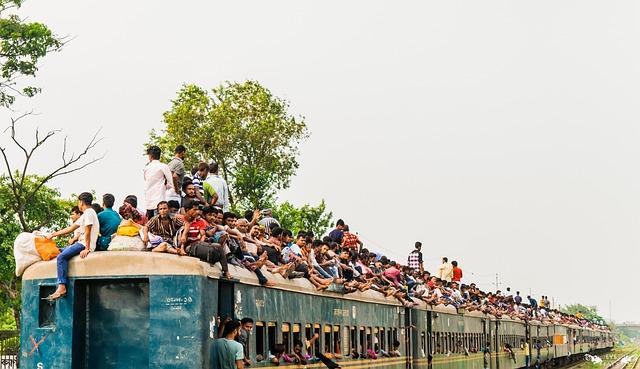
Dhaka Metro: A New Era of Urban Transit Begins in Bangladesh
In a significant milestone for urban transportation in Bangladesh, the Dhaka Metro has officially opened its doors to the public, marking the debut of the country’s first metro train system. The inauguration, celebrated with much fanfare, represents a transformative step towards alleviating the chronic traffic congestion that has long plagued the capital city of Dhaka. With its state-of-the-art infrastructure and promise of efficient, reliable travel, the Dhaka Metro is poised to redefine commuting for millions of residents. This landmark project not only demonstrates Bangladesh’s commitment to modernizing its public transportation network but also aligns with global efforts to enhance sustainable urban development. As Dhaka embraces this new mode of transit, it raises hopes for improved air quality, reduced travel times, and a more connected cityscape, echoing trends seen in metropolises around the world.
Revolutionizing Urban Transport in Bangladesh
Bangladesh has taken a giant leap toward modern urban transport with the inauguration of its first metro train system in Dhaka. This milestone marks a turning point for the city, renowned for its traffic congestion and growing population. The metro is expected to significantly reduce travel time, providing residents with an efficient mode of transportation that connects various parts of the city. With state-of-the-art technology and eco-friendly features, the project reflects a commitment to sustainable urban development.
Key features of the Dhaka Metro include:
- High Capacity: Designed to accommodate thousands of passengers daily.
- Reduced Traffic Congestion: A direct alternative to overcrowded roads.
- Environmental Impact: A shift towards greener public transport solutions.
| Metro Line | Stations | Length (km) |
|---|---|---|
| Line 1 | 16 | 20 |
| Future Lines | 8 planned | Various lengths |
Challenges and Opportunities for Dhaka’s Metro System
The launch of Dhaka’s metro system marks a historic milestone for the city, but it also unveils a complex landscape of challenges that need to be addressed. Traffic congestion remains a critical issue in Dhaka, with rapid urbanization outpacing infrastructural development. The metro’s infrastructure must integrate seamlessly with existing transport systems, including buses, rickshaws, and bicycles, to ensure smooth passenger flow. Additionally, investment in technology and maintenance will be vital. A commitment to regular upgrades and the adoption of smart technologies could enhance operational efficiency while improving the overall rider experience.
Amid these challenges, there lies significant potential for growth and innovation. The metro system presents opportunities for economic development, offering easier access to jobs and fostering local entrepreneurship. By reducing travel times, the metro can transform commuting patterns, enabling a more dynamic labor market. Furthermore, there is scope for sustainable urban planning; the reduction in vehicular traffic can lead to decreased pollution levels, promoting a greener city environment. To capitalize on these opportunities, collaboration among government bodies, private investors, and the community is essential. Such partnerships can drive not only the metro’s success but also catalyze a broader urban renewal initiative throughout Dhaka.
Ensuring Sustainable Growth: Recommendations for Future Expansion
As Bangladesh embarks on a transformative journey with the launch of its first metro train, strategic planning for sustainable growth is essential. Urban planners and policymakers must focus on enhancing public transportation efficiency while minimizing environmental impact. To achieve this, they should consider the following recommendations:
- Integration of Renewable Energy: Incorporate solar panels on metro stations and along tracks to harness renewable energy, reducing reliance on fossil fuels.
- Smart Technology Utilization: Implement real-time tracking and automated systems to optimize scheduling and reduce energy consumption.
- Inclusive Accessibility: Ensure stations and trains are equipped with facilities for all users, including individuals with disabilities, thereby promoting equitable access.
- Expansion of Green Spaces: Develop green areas around metro stations to enhance urban biodiversity and improve air quality.
Furthermore, collaboration with local communities and stakeholders is imperative. Involving citizens in decision-making processes can lead to more responsive and effective transportation solutions. A focus on multifaceted approaches, such as:
| Action | Impact |
|---|---|
| Public Awareness Campaigns | Increases ridership and reduces traffic congestion |
| Partnerships with Local Businesses | Supports economic growth and enhances community engagement |
| Monitoring and Evaluation | Ensures accountability and continuous improvement of services |
By implementing these strategies, Dhaka Metro can not only serve as a vital mode of transportation but also as a model for sustainable urban development in Bangladesh and beyond.
Future Outlook
As the inaugural metro train glides through the bustling streets of Dhaka, a new era of urban transportation begins for Bangladesh. The opening of the Dhaka Metro not only signifies a monumental achievement for the nation’s infrastructure but also represents a pivotal step towards alleviating the chronic traffic congestion that has long plagued the capital. With the capacity to transport thousands of passengers daily and significantly reduce travel times, the Dhaka Metro is poised to enhance the quality of urban life and stimulate economic growth.
As this exciting development unfolds, the implications extend far beyond immediate commuting benefits. Increased accessibility and connectivity may lead to greater opportunities for residents, fostering a more inclusive economic landscape. Moreover, the introduction of a modern transit system serves as a blueprint for future urban planning across the nation, setting a precedent for sustainable and efficient transport solutions.
Moving forward, stakeholders will be watching closely to assess the metro’s impact on urban mobility and city dynamics. The Dhaka Metro is not just a train line; it is a symbol of progress for Bangladesh, a testament to resilience, and a beacon of hope for a greener, more connected future. As we celebrate this milestone, the world turns its attention to Dhaka, eager to witness how this transformative infrastructure will shape the city in the years to come.