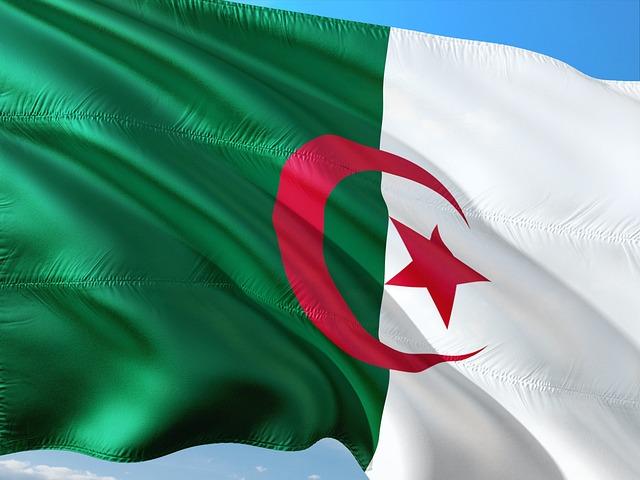
European Commissioner for Energy, Jørgensen, has embarked on a diplomatic mission to Algeria aimed at reinforcing the strategic energy partnership between the European Union and one of its key Mediterranean neighbors. The visit underscores ongoing efforts to support Algeria’s energy sector diversification, as both parties seek to enhance cooperation on sustainable and secure energy supplies. This engagement comes at a critical juncture as Europe intensifies its drive toward energy transition and resilience amid global market shifts.
Commissioner Jørgensen Visits Algeria to Boost Strategic Energy Collaboration
Commissioner Jørgensen’s recent visit to Algeria marked a significant step forward in strengthening the long-standing strategic energy partnership between the European Union and Algeria. Both parties emphasized the urgency of advancing cooperation on energy diversification, renewable energy investments, and security of supply. This collaboration is crucial as the EU intensifies efforts to reduce dependency on traditional fossil fuels and transition towards a greener, more sustainable energy future. Discussions also touched on expanding gas supplies while simultaneously accelerating renewable energy projects, highlighting a balanced and pragmatic approach to energy resilience.
Key areas of focus during the visit included:
- Enhancing cross-border renewable energy integration
- Investing in green hydrogen development and export potential
- Modernizing energy infrastructure for improved efficiency
- Collaborative research and innovation on clean technologies
| Sector | Focus Area | Planned Initiatives |
|---|---|---|
| Natural Gas | Supply Security | Pipeline capacity upgrades |
| Renewables | Solar & Wind | Joint projects and funding schemes |
| Hydrogen | Green Hydrogen | Export frameworks development |
Exploring Opportunities for Renewable Energy and Sustainable Development in Algeria
Algeria is rapidly positioning itself as a key player in the renewable energy landscape, driven by its vast solar and wind potential. With abundant sunlight throughout the year and expansive desert areas, the country holds significant promise for large-scale solar projects. The visit by Commissioner Jørgensen underlines the European Union’s commitment to fostering a robust energy partnership that not only supports Algeria’s energy diversification but also anchors sustainable development goals. Collaborative efforts aim to accelerate the deployment of clean energy technologies, enhance grid integration, and promote energy efficiency to reduce Algeria’s carbon footprint.
Critical areas highlighted during the discussions include:
- Investment in solar and wind infrastructure to increase renewable capacity
- Knowledge exchange programs focusing on technical expertise and innovation
- Policy alignment to streamline regulatory frameworks and incentives
- Capacity building for local workforce and community engagement
These initiatives are expected to create new economic opportunities, foster job creation, and lay the groundwork for a resilient energy future. Below is a snapshot of Algeria’s renewable energy targets aligned with the EU’s strategic objectives:
| Year | Renewable Energy Share (%) | Installed Capacity (MW) | CO2 Reduction Target (%) |
|---|---|---|---|
| 2025 | 27 | 4,000 | 20 |
| 2030 | 40 | 10,000 | 35 |
| 2040 | 60 | 25,000 | 55 |
Recommendations for Deepening EU-Algeria Energy Ties and Supporting Economic Diversification
To further enhance the strategic cooperation between the European Union and Algeria, it is essential to focus on expanding renewable energy projects while ensuring sustainable management of existing hydrocarbon resources. Emphasizing technology transfer and joint research initiatives can accelerate the deployment of solar and wind capacities, positioning Algeria as a regional clean energy hub. Moreover, enhancing regulatory frameworks with transparent, investor-friendly policies will create an enabling environment that attracts long-term investments and fosters innovative energy solutions.
Support for Algeria’s economic diversification must prioritize capacity-building programs alongside infrastructure development, particularly in sectors such as green hydrogen, energy storage, and digitalization of the energy grid. Collaborative efforts should include:
- Integrated energy-efficient industrial zones powered by renewable sources
- Training and upskilling local workforce in emerging energy technologies
- Strengthening cross-border energy trade and market integration
Below is a concise overview of targeted initiatives and their expected impacts:
| Initiative | Focus Area | Expected Impact |
|---|---|---|
| Solar Power Expansion | Renewable Energy | Increase clean energy capacity by 40% by 2030 |
| Green Hydrogen Pilot Projects | Innovation & Industry | Establish foundational tech for export markets |
| Skills Development Program | Human Capital | Train 5,000 professionals annually |
The Way Forward
Commissioner Jørgensen’s visit to Algeria underscores the EU’s commitment to bolstering energy ties and advancing diversification efforts in the region. As both parties seek to enhance collaboration on sustainable energy solutions, this partnership is poised to play a pivotal role in Europe’s broader strategy for energy security and transition. Continued dialogue and joint initiatives will be essential to unlocking new opportunities and addressing shared challenges in the evolving global energy landscape.