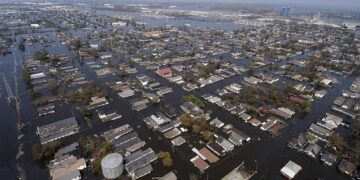
In a decisive move aimed at addressing urban development challenges, the Kano State government has announced the formation of a special committee tasked with identifying illegal structures across the city and reviewing existing building approvals. This initiative, unveiled at a recent press conference, underscores the administration’s commitment to enforcing building regulations and ensuring sustainable urban planning. With rapid urbanization leading to numerous unauthorized constructions, the committee’s work will be pivotal in restoring order to Kano’s architectural landscape and safeguarding the city’s infrastructural integrity. Stakeholders and residents alike are keenly watching how these efforts will reshape the city’s skyline and enforce compliance with established building codes.
Kano Launches Committee to Tackle Illegal Structures and Streamline Building Approvals
The Kano State government has taken a significant step towards addressing the rampant issues of illegal structures and inefficiencies in the building approval process. A newly established committee will be responsible for conducting a thorough assessment of existing buildings to identify those that do not comply with the state’s zoning laws and regulations. This initiative is crucial, as the unchecked proliferation of unauthorized constructions has been a growing concern for urban planners and citizens alike.
In addition to identifying illegal structures, the committee will also focus on streamlining the building approval process to make it more efficient and user-friendly. By implementing reforms, the government aims to enhance transparency and reduce bureaucratic delays, thereby encouraging lawful construction practices. Key objectives include:
- Conducting regular inspections of building sites.
- Implementing a digital system for submitting building plans.
- Establishing guidelines for rapid approval of compliant applications.
| Key Action | Description |
|---|---|
| Inspection | Regular checks to identify illegal constructions. |
| Digital Submission | A user-friendly online platform for building approvals. |
| Guidelines | Clear criteria for speedy approval of compliant projects. |
Expert Recommendations for Effective Oversight in Kano’s Building Sector
To enhance oversight in Kano’s building sector, it is essential for the newly formed committee to adopt a multifaceted approach. This includes establishing clear guidelines that delineate the responsibilities of various stakeholders, ensuring that all parties are informed and accountable. Furthermore, regular training workshops should be organized to update government officials, builders, and developers on the latest building codes and regulatory requirements. Regular inspections must be conducted to monitor compliance and tackle any emerging issues promptly.
In addition to robust training and adherence to guidelines, implementing a digital monitoring system will streamline the process of tracking construction activities. This system can include features such as an online submission portal for building approvals, allowing for increased transparency and efficiency. Furthermore, a community engagement program can encourage residents to report suspicious construction activities, fostering a collaborative environment between the committee and the local populace. The success of these initiatives will rely heavily on effective communication and a commitment to long-term improvements in building standards.
Implications for Urban Development and Community Safety in Kano’s New Initiative
The formation of the new committee in Kano signals a pivotal shift toward enhancing both urban development and community safety. By focusing on the identification of illegal structures and the review of building approvals, authorities are taking a proactive stance to ensure compliance with zoning regulations and safety standards. The implications of this initiative are far-reaching, promising to foster a more organized urban environment while mitigating risks associated with unregulated construction. Stakeholders can anticipate a more orderly approach to city planning that prioritizes community welfare and sustainable growth.
As this initiative unfolds, several key outcomes are expected:
- Improved Infrastructure: Legalizing existing structures will lead to enhancements in public services, such as roads and utilities, benefiting the community at large.
- Enhanced Safety Standards: The enforcement of building codes will reduce hazards associated with poorly constructed buildings, ensuring safer living conditions for residents.
- Increased Property Values: A regulated urban landscape is likely to attract more investors, thus boosting property values and local economies.
| Expected Benefits | Impact on Community |
|---|---|
| Regulatory Compliance | Elevates standard living conditions |
| Urban Aesthetics | Creates a cohesive city identity |
| Local Business Growth | Stimulates economic development |
The Way Forward
In conclusion, Kano’s commitment to urban development and regulatory compliance is underscored by the establishment of this new committee. By identifying illegal structures and reviewing building approvals, the local government aims to not only enhance the aesthetic and safety standards of the city but also to uphold the rule of law in construction practices. As the committee embarks on its critical mission, it will play a pivotal role in shaping the future of Kano’s urban landscape. Stakeholders and citizens alike will be watching closely as these efforts unfold, eager to see the positive impacts on community planning, safety, and sustainable development in the region.