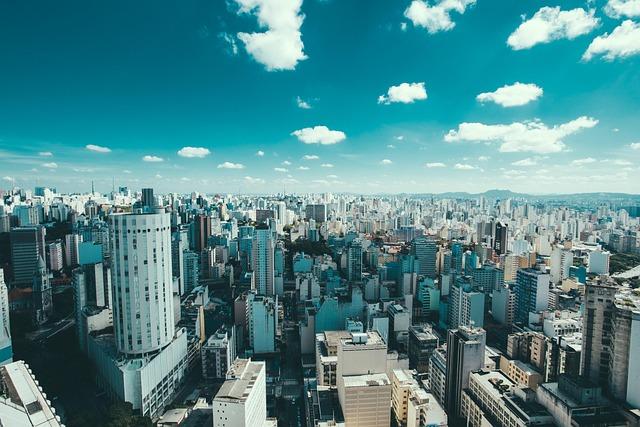
In a striking illustration of the climate crisis, São Paulo, Brazil’s largest city, finds itself grappling with an unprecedented dual challenge: devastating floods in some areas while others face severe drought. As heavy rains inundate neighborhoods, overwhelming infrastructure not built to handle such extremes, vast sections of the city are simultaneously plagued by water shortages that threaten agriculture, drinking supplies, and public health. This paradox highlights the complexities of climate change impacts on urban environments, as São Paulo navigates a precarious balance between immediate weather-related emergencies and long-term sustainability. With its recent experiences serving as a cautionary tale, the city’s struggle underscores the urgent need for innovative solutions to adapt to a rapidly changing climate, as local authorities strive to address both flooding and drought in a region once known for its temperate climate.
Sao Paulo’s Paradox: Managing Concurrent Flooding and Drought Challenges
Sao Paulo, a bustling metropolis with a population exceeding 12 million, faces a complex environmental challenge where severe flooding and prolonged droughts occur simultaneously. As climate change intensifies, the city’s aging infrastructure struggles to cope with the extremes. Recent data indicates a rise in both precipitation levels during the rainy season and extended dry spells, creating a precarious balance that local authorities are finding increasingly difficult to manage. Flooding can wreak havoc on transportation, disrupt daily life, and damage property, while drought conditions threaten water supply and agricultural production, leading to heightened food insecurity.
To address these contrasting issues, city planners and environmental scientists propose a multifaceted approach that includes:
- Enhanced water management systems: Modernizing drainage systems to mitigate flooding while improving water retention strategies to combat drought.
- Urban green spaces: Increasing the number of parks and permeable surfaces to promote groundwater recharge and reduce runoff.
- Community engagement: Educating residents on sustainable practices that balance water usage and conservation.
While immediate investment in infrastructure is needed, long-term strategies focusing on resilience and adaptation could provide a buffer against future extreme weather events. The challenge is not only in engineering solutions but also in fostering an environmental consciousness among the populace to preserve precious resources and prepare for unpredictable climate behaviors.
Infrastructure Investments Key to Resilience Against Extreme Weather Events
The dual challenges of flooding and drought in São Paulo underscore the importance of strategic infrastructure investments. Recent extreme weather events have highlighted that the city’s existing systems are not equipped to handle the drastic swings in precipitation. To bolster resilience, it is crucial to focus on upgrading drainage systems, enhancing water storage solutions, and implementing sustainable urban planning practices. By investing in smart infrastructure, the city can mitigate flood risks while ensuring adequate water supply during dry periods.
Key areas for investment include:
- Stormwater Management: Developing advanced drainage systems that can efficiently handle heavy rainfall.
- Rainwater Harvesting: Encouraging the construction of facilities that capture and store rain for use during droughts.
- Green Infrastructure: Creating parks and green roofs that absorb water and reduce urban heat.
| Investment Type | Expected Impact |
|---|---|
| Drainage Upgrades | Reduce flooding risk |
| Water Storage Facilities | Ensure water availability |
| Green Spaces | Enhance ecosystem resilience |
With projections indicating more frequent and severe weather events, cities like São Paulo cannot afford to neglect the significance of robust infrastructure. Investments made today will lay the groundwork for sustainable living conditions, safeguarding communities and local economies from the adverse impacts of climate change.
Sustainable Water Management Strategies for a Balanced Future in Sao Paulo
Sao Paulo is grappling with the dual challenges of flooding and drought, requiring innovative and sustainable water management strategies to ensure its future resilience. Authorities and urban planners are now focusing on the integration of natural and engineered solutions to optimize water resources. A key approach involves the restoration of green spaces, such as parks and wetlands, which enhance water absorption during heavy rains while also serving as buffers against urban flooding. This not only aids in water retention but also improves local ecosystems and enhances community aesthetics.
Moreover, the city is investing in rainwater harvesting systems to capture and utilize stormwater runoff, reducing reliance on conventional water sources during dry spells. These systems can be implemented at both residential and commercial levels, promoting water conservation and encouraging community involvement in sustainability efforts. Alongside technological innovations such as smart water management systems, which utilize real-time data analytics for efficient distribution, Sao Paulo is positioning itself to adapt to climate variability while ensuring that water remains a precious shared resource for all its inhabitants.
Insights and Conclusions
As São Paulo continues to grapple with the dual challenges of flooding and drought, the implications of this unprecedented weather phenomenon extend far beyond the city’s borders. The ongoing struggle highlights the need for comprehensive urban planning and resilient infrastructure to address the impacts of climate change in one of Brazil’s most populous regions. As authorities and residents navigate these turbulent waters, the performance of governmental responses will be crucial in determining not only the immediate outcomes but also the long-term sustainability of the city’s water resources. With an eye on future adaptability, São Paulo’s approach to managing these crises may serve as a critical case study for other urban centers facing similar environmental dilemmas. As the city strives to find balance in the face of conflicting weather patterns, the challenges ahead remain significant, demanding an urgent and collaborative response from all stakeholders involved.










![How I Spent 72 Hours in Osaka, Japan [Things To Do, What To Eat] – Upgraded Points](https://capital-cities.info/wp-content/uploads/2026/06/230359-how-i-spent-72-hours-in-osaka-japan-things-to-do-what-to-eat-upgraded-points-120x86.jpg)