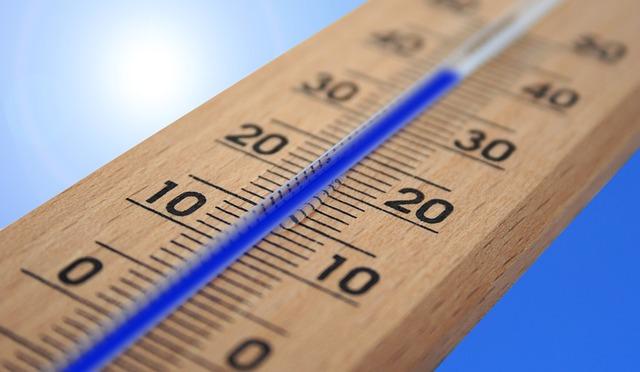
In the face of escalating climate challenges, the city of Rio de Janeiro is taking proactive steps to safeguard its residents from the impacts of extreme heat. The recently unveiled “Protocolo de Enfrentamento ao Calor Extremo” (Protocol for Coping with Extreme Heat) aims to address the rising temperatures that have become a concerning reality for urban populations. With heatwaves becoming more frequent and intense, this initiative seeks to establish a comprehensive framework for prevention and response, prioritizing vulnerable communities and promoting public health strategies. As temperatures continue to rise, the implementation of this protocol marks a significant commitment by local authorities to protect public welfare and support resilience against climate-related hazards. This article explores the key components of the protocol, its importance for Rio de Janeiro, and the role of community engagement in fostering a heat-resilient city.
Strategies for Effective Heat Mitigation in Rio de Janeiro
In the face of rising temperatures and increasingly extreme weather events, Rio de Janeiro must adopt comprehensive and innovative strategies to alleviate heat impacts on its population. One effective approach involves expanding green infrastructure, such as urban parks, green roofs, and vertical gardens. These initiatives not only enhance the urban landscape but also provide significant cooling effects while improving air quality. Additionally, promoting community engagement through educational campaigns can empower residents to adopt heat mitigation practices, such as maintaining shaded areas and utilizing reflective materials on buildings.
Another key strategy lies in the integration of heat management into urban planning and public policies. Implementing heat action plans can bring together government agencies, health organizations, and local communities to identify vulnerable populations and distribute resources effectively during heat waves. Moreover, establishing a systematic heat alert system can facilitate timely communication about extreme heat events to ensure that residents are prepared. Collaboration with local businesses to create shaded areas and cooling centers can also provide immediate relief during critical periods, fostering a resilient community response to climate challenges.
Community Engagement and Awareness: Key Components of the Extreme Heat Protocol
Effective community engagement is vital for the successful implementation of the Extreme Heat Protocol. By fostering a culture of awareness and preparedness, local authorities can empower citizens to take proactive measures against the potentially devastating impacts of extreme heat. Partnerships with community organizations, schools, and businesses create a robust network for disseminating information and resources. Engaging the community through workshops, informational brochures, and social media campaigns can significantly enhance public knowledge and responsiveness during heat waves. It is crucial that these initiatives cater to diverse populations, ensuring that all segments of the community, especially the vulnerable, receive pertinent information tailored to their needs.
Building a resilient community requires the establishment of feedback mechanisms where residents can share their experiences and suggest improvements to existing protocols. Implementing regular heat response drills and simulating emergency scenarios can foster a sense of readiness. Additionally, collaborating with local health care facilities to monitor at-risk individuals can help in mitigating health risks associated with extreme temperatures. The following table outlines key strategies for enhancing community engagement:
| Strategy | Description |
|---|---|
| Outreach Programs | Engage local organizations to reach diverse demographics. |
| Educational Workshops | Provide training on heat safety and health measures. |
| Feedback Channels | Establish methods for residents to share concerns and suggestions. |
Long-Term Solutions to Combat Rising Temperatures and Protect Vulnerable Populations
As global temperatures continue to rise, cities like Rio de Janeiro must implement innovative strategies aimed at mitigating heat impacts, particularly for their most vulnerable populations. Effective long-term solutions include the development of green infrastructure, such as urban parks, green roofs, and tree canopies which not only provide shade but also help lower surrounding temperatures. Additionally, enhancing the energy efficiency of buildings through the use of reflective materials and improved insulation will contribute to lessening heat absorption during peak temperatures, further safeguarding residents.
Another critical aspect of combating extreme heat is the establishment of community awareness programs. These initiatives can educate residents about heat-safe practices, early warning systems, and available support services during heat waves. Local governments should also prioritize investment in emergency response systems that can be activated quickly during extreme weather events. Collaborative efforts, including partnerships with non-profits and health organizations, are essential to ensure outreach to at-risk populations, ensuring they have access to resources like cooling centers and hydration stations. The table below summarizes some of these key strategies:
| Strategy | Description |
|---|---|
| Green Infrastructure | Implementation of parks and greenery to reduce urban heat. |
| Building Efficiency | Improving building materials to minimize heat retention. |
| Community Programs | Education initiatives to inform about heat risks and precautions. |
| Emergency Response | Quick activation of resources during extreme heat events. |
Future Outlook
As the climate crisis continues to intensify, the recently implemented Protocol for Coping with Extreme Heat in Rio de Janeiro represents a critical step toward safeguarding public health and enhancing community resilience. With a comprehensive strategy that encompasses early warning systems, public awareness campaigns, and collaborative efforts among various government entities, the protocol aims to protect the most vulnerable populations from the increasingly frequent and severe heatwaves. As cities across the globe grapple with the challenges posed by rising temperatures, Rio de Janeiro’s proactive approach could serve as a model for other regions facing similar threats. It is imperative that local authorities, health organizations, and communities work together to ensure the effectiveness of this protocol and adapt to the evolving climate landscape. In the face of extreme heat, preparedness is not just advisable-it is essential for the safety and well-being of all residents.