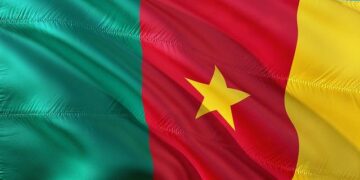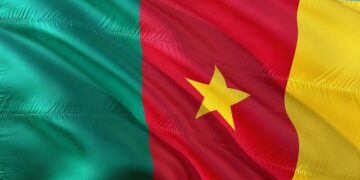
In a significant development that has ignited widespread protests across Cameroon, opposition leader Maurice Kamto has been barred from participating in the upcoming presidential election. The decision, announced by the country’s electoral authority, has intensified calls for political reform and raised concerns over the integrity of the electoral process in a nation long grappling with political unrest. Kamto, who has positioned himself as a vocal critic of President Paul Biya’s administration, asserts that the disqualification is an attempt to stifle democratic participation and suppress dissent. As tensions escalate, citizens and opposition supporters are rallying in the streets, demanding transparency and fair electoral practices in a country where political tensions have simmered for decades. The unfolding situation serves as a crucial test for Cameroon’s democratic institutions and the resilience of its civil society.
Opposition Outcry as Kamto Excluded from Presidential Race in Cameroon
The decision to exclude prominent opposition leader Maurice Kamto from the upcoming presidential race has ignited fierce reactions across Cameroon. His supporters argue that this move is a blatant attempt to stifle dissent and undermine the democratic process. Critics are raising concerns about the implications for political plurality, suggesting that it signals a troubling trend towards authoritarianism in the country. Many believe that Kamto’s exclusion serves to consolidate power among the ruling elite, further alienating voters who seek genuine representation.
The backlash has seen various opposition parties uniting in solidarity, calling for protests and public demonstrations against this perceived injustice. Social media has become a platform for outrage, with hashtags like #FreeKamto gaining momentum as citizens demand the right to choose their leaders freely. International observers are also weighing in, urging the Cameroonian government to respect electoral rights and facilitate a fair election process. This situation remains dynamic, with several civil society organizations planning to mobilize their efforts to advocate for electoral reforms and challenge the legitimacy of the upcoming elections.
Implications for Democracy and Political Discourse in Cameroon
The recent barring of opposition leader Maurice Kamto from the presidential race has significant repercussions for democracy and political discourse in Cameroon. This decision raises critical questions about the integrity of the electoral process in a nation where political dissent has historically been met with repression. It underscores a trend toward authoritarianism that threatens to stifle democratic ideals and civil liberties. Players in the political landscape must grapple with the implications of such actions, which work to disenfranchise not only Kamto but also his supporters and anyone advocating for change within the political system.
As tension rises, the opposition’s response will be pivotal in shaping the future political environment. A potential shift towards more vigorous civil protests could emerge as a form of resistance, signaling a collective demand for transparency and accountability in governance. Possible outcomes may include:
- Increased civic engagement: A surge in grassroots movements advocating for electoral reforms.
- Heightened media scrutiny: Intensified focus on the actions of the government and electoral commission.
- International repercussions: Calls for external monitors and potential sanctions against the government.
Amid these changes, the dialogue surrounding democracy in Cameroon remains critical. The public’s perception of the electoral system and its leaders will likely shift, impacting future elections and the legitimacy of governance.
Strategies for Strengthening Electoral Integrity and Ensuring Fair Representation
The recent barring of opposition leader Maurice Kamto from participating in Cameroon’s presidential race has ignited a fervent discussion about the state of electoral integrity in the country. To safeguard the democratic process and ensure fair representation, it is essential to implement a series of robust strategies aimed at enhancing transparency and inclusivity. Engaging civil society organizations in monitoring electoral processes can provide an independent perspective that may deter fraud and malpractice. Furthermore, establishing a comprehensive legal framework to regulate campaign financing is crucial, as it can limit the influence of money on politics and create a more level playing field for all candidates.
In addition to these measures, it is imperative to invest in civic education to empower voters and promote informed decision-making. Voter education initiatives can dispel myths and misinformation that often cloud electoral processes, ensuring that citizens are aware of their rights and responsibilities. Additionally, leveraging technology to streamline voting procedures can greatly enhance the efficiency and reliability of elections. Such steps, combined with strong commitment from all stakeholders, can significantly strengthen electoral integrity and restore public confidence in the democratic process.
The Way Forward
In conclusion, the decision to bar opposition leader Maurice Kamto from the upcoming presidential race has ignited significant controversy and unrest in Cameroon. As citizens express their outrage and demand greater political freedoms, the government faces increasing scrutiny both domestically and internationally. The implications of this political maneuver extend beyond the electoral sphere, raising concerns about the state of democracy and human rights in the country. As the situation unfolds, all eyes will remain on Cameroon, where the determination of the populace and the response from authorities will play a crucial role in shaping the nation’s political landscape in the months to come. RFI will continue to monitor developments in this ongoing story.