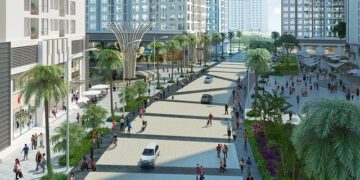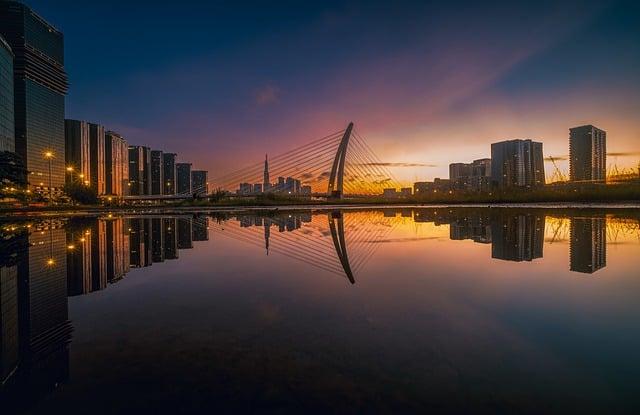
Ho Chi Minh City is embarking on an ambitious urban redevelopment project that promises to transform its riverside landscape and boost economic activity. As part of a $1.1 billion overhaul, city officials have announced plans to bury a section of a prominent riverside road, making way for an expansive underground shopping mall. This bold initiative is expected to not only enhance the city’s aesthetics, but also alleviate traffic congestion and create a vibrant commercial hub. The project reflects Ho Chi Minh City’s commitment to modern infrastructure development while addressing the challenges of rapid urbanization. With construction set to begin soon, residents and visitors alike are eager to see how this transformation will redefine the city’s waterfront and its role as a thriving economic center.
Ho Chi Minh City’s Ambitious Plan for Riverside Road Transformation
In a groundbreaking initiative, Ho Chi Minh City is set to transform its riverside road into a vibrant underground shopping experience as part of an ambitious $1.1 billion redevelopment project. The proposal aims to bury a section of the existing road, paving the way for a modern underground mall that is expected to attract both locals and tourists alike. Among the key features of this project are:
- Enhanced Urban Aesthetics: By relocating the roadway underground, the city aims to enhance waterfront views and public spaces.
- Environmental Benefits: The initiative is expected to reduce surface traffic congestion and promote greener urban living.
- Economic Growth: The new mall will create job opportunities and boost local businesses, contributing to the city’s economy.
City officials have indicated that the project will not only provide modern shopping facilities but also include recreational areas and cultural spots designed to foster community engagement. As the city continues to navigate urban challenges, this strategic overhaul is anticipated to improve overall quality of life in Ho Chi Minh City. Planned upgrades will be executed in phases to minimize disruption to residents and commuters while ensuring that the project aligns with the city’s long-term vision for sustainable urban development.
Underground Mall Development Promises Economic Growth and Urban Innovation
The ambitious underground mall project in Ho Chi Minh City is set to not only transform the urban landscape but also stimulate significant economic growth. By burying a portion of the riverside road, the initiative aims to create a vibrant shopping, dining, and entertainment hub that caters to both locals and tourists. This innovative approach is expected to lead to a surge in foot traffic, enhancing the visibility of local businesses and attracting new investments, which could create thousands of jobs in the construction and retail sectors. The project underlines a commitment to urban innovation, integrating modern infrastructure with eco-friendly design principles.
Key components of the development include:
- Retail Spaces: Over 300 shops offering a diverse shopping experience.
- Dining Options: A variety of restaurants and cafes to cater to different culinary tastes.
- Entertainment Venues: Cinemas and recreational spaces designed to engage visitors.
- Public Transit Accessibility: Improved connectivity with metro stations and public transport links.
- Green Spaces: Integrating parks and leisure areas for a balanced urban environment.
| Project Feature | Details |
|---|---|
| Total Investment | $1.1 billion |
| Estimated Jobs Created | 5,000+ |
| Retail Space | 300+ shops |
| Completion Timeline | 3-5 years |
Navigating the Challenges of Infrastructure Overhaul and Community Impact
The ambitious project to transform part of Ho Chi Minh City’s riverside road into an underground mall represents a significant investment in the city’s infrastructure, but it also brings a slew of challenges that need careful navigation. Stakeholders must consider various factors, including the potential for disruption to local businesses, traffic re-routing, and the impact on community life. As heavy machinery prepares to break ground, residents and shop owners alike may face uncertainty regarding access to their properties during construction. Engaging with the community early on through public forums and feedback sessions will be crucial in addressing concerns and ensuring that the voices of those affected are heard.
Moreover, while the prospect of a state-of-the-art underground shopping complex may enhance urban aesthetics and economic opportunities, it could also exacerbate gentrification in the surrounding areas. Residents fear that rising property values and rental prices might push long-established communities out. It’s essential for city planners and developers to incorporate affordable housing solutions and maintain local cultural identity amidst modernization efforts. A holistic approach that balances development with community preservation will be vital in ensuring the project is not only successful in the short term but also sustainable in the long run. The journey ahead will require collaboration between government, developers, and citizens to achieve a favorable outcome for all involved.
Wrapping Up
In conclusion, the ambitious $1.1 billion project to transform Ho Chi Minh City’s riverside road into an underground mall represents a significant step forward in urban development for Vietnam’s largest metropolis. With the integration of modern infrastructure and commerce concealed beneath the city’s bustling surface, officials hope to ease traffic congestion while enhancing the overall urban landscape. As construction progresses, residents and visitors alike will be watching closely to see how this innovative approach to urban planning will reshape one of the city’s most cherished areas. The project’s implications extend beyond mere aesthetics, potentially redefining economic activity and tourism in Ho Chi Minh City for years to come.