Latin America’s Emerging Role in the Global Artificial Intelligence Revolution
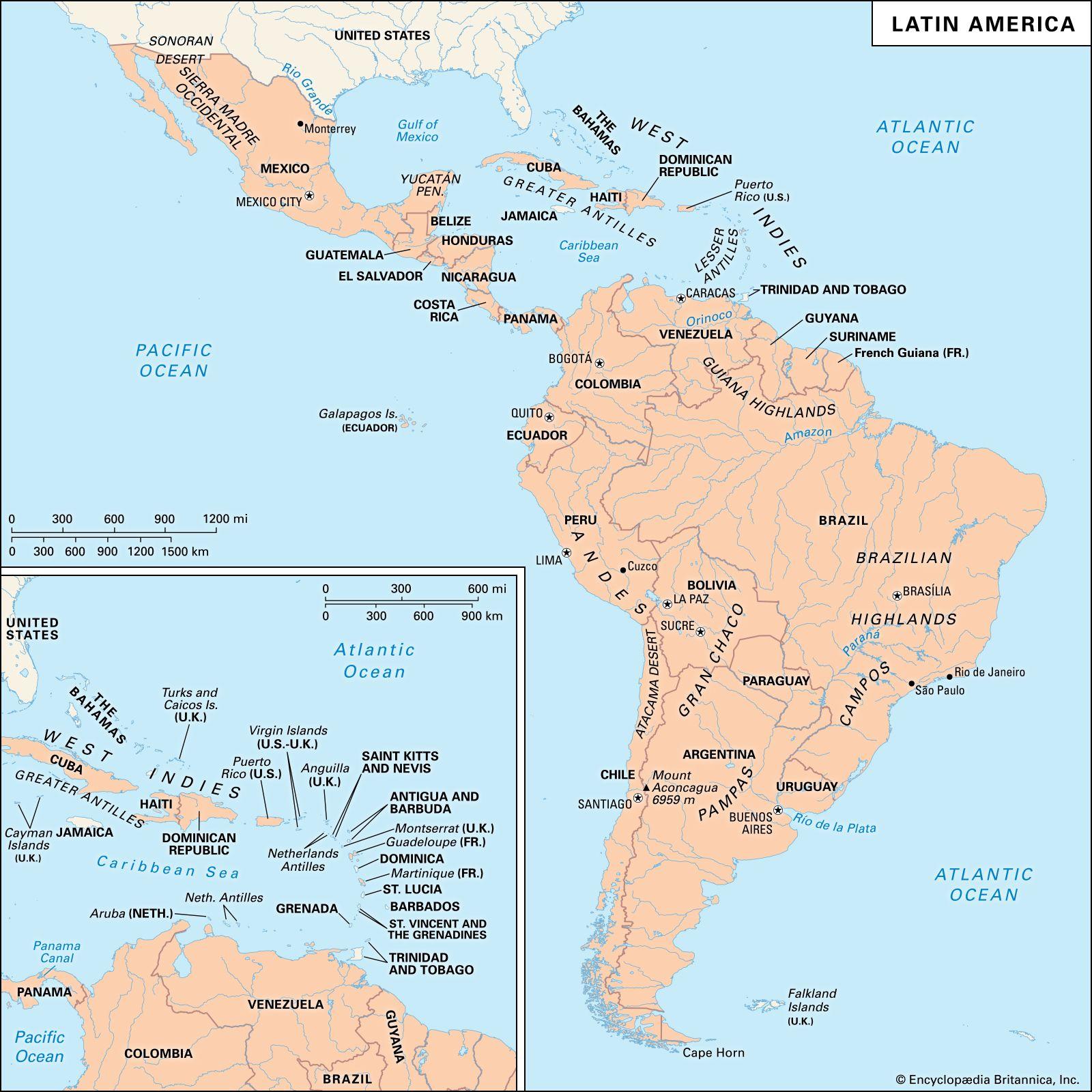
As artificial intelligence (AI) rapidly transforms economies and societies worldwide, countries are competing fiercely to capitalize on its vast potential for innovation, economic expansion, and social development. Amid this intense global contest, Latin America is beginning to assert itself as a noteworthy contender. Historically overshadowed by North American and European tech powerhouses, the region is now leveraging its abundant data resources, dynamic startup culture, and distinct socio-economic landscape to stake a claim in the AI ecosystem. This article explores Latin America’s evolving AI landscape—highlighting recent progress, persistent challenges, and strategic pathways that could elevate its position on the world stage.
Current Landscape: Latin America’s Growing Footprint in AI
Latin America is steadily gaining momentum as an emerging hub for artificial intelligence innovation. Despite lagging behind established leaders like the United States, China, and parts of Europe in terms of infrastructure and investment scale, countries such as Brazil, Mexico, Chile, and Argentina are cultivating vibrant ecosystems fueled by startups focused on machine learning applications across finance, healthcare, agriculture—and more.
The region benefits from a large population generating diverse datasets essential for training AI models tailored to local needs. According to recent reports from Statista, investments into Latin American tech ventures surged by over 40% between 2022 and 2023 alone—a clear indicator of growing confidence among investors both domestically and internationally.
- Government-Led Initiatives: Several nations have unveiled national AI strategies aimed at fostering research hubs while promoting ethical frameworks around technology use.
- Investment Growth: Venture capital influxes targeting AI startups have increased significantly; Brazil attracted nearly $3 billion in tech funding during 2023.
- Global Collaborations: Partnerships with international universities and multinational corporations facilitate knowledge transfer critical for capacity building.
This upward trajectory is promising but tempered by structural obstacles that must be addressed to sustain growth.
Navigating Challenges: Barriers Slowing Technological Advancement
The path toward becoming an influential player in global AI remains fraught with difficulties unique to Latin America’s socio-political context. Key impediments include:
- Diverse Regulatory Environments: Fragmented policies across countries create uncertainty for innovators seeking cross-border scalability.
- Lack of Skilled Professionals: A shortage of qualified data scientists and engineers limits project execution capabilities; UNESCO estimates that less than 15% of STEM graduates specialize in emerging technologies within the region.
- Inequitable Infrastructure Access: Rural areas often lack reliable internet connectivity or computing resources necessary for advanced research or deployment of AI solutions.
- Evolving Political Climates: Instability can deter long-term investments crucial for sustained R&D efforts.
The skills gap particularly hampers adoption rates—without targeted education reforms emphasizing digital literacy from early schooling through higher education levels—and continuous professional development programs tailored toward cutting-edge technologies like natural language processing (NLP) or computer vision adapted to regional languages such as Spanish Portuguese dialects indigenous tongues—the workforce remains underprepared relative to demand trends globally.
Tapping Into Opportunities: Leveraging Regional Strengths For Innovation
A wealth of untapped potential exists within Latin America’s unique cultural diversity combined with its expanding digital economy. For example:
- Agricultural Technology Integration: AI-driven precision farming techniques can revolutionize productivity across vast rural landscapes—Brazilian agritech startups are already deploying drone-based crop monitoring systems reducing pesticide use by up to 30%, enhancing sustainability while boosting yields amid climate change pressures.
- Linguistic Diversity & NLP Applications: Developing multilingual NLP tools customized for Spanish variants alongside indigenous languages opens new frontiers not only commercially but also socially—for instance improving access to government services via chatbots designed specifically around local dialects enhances inclusivity dramatically compared with generic English-centric models common elsewhere worldwide.
....
Paving The Way Forward: Strategic Actions To Accelerate Regional Progress
An integrated approach combining policy reform with grassroots initiatives will be essential if Latin America aims not just participate but lead segments within global artificial intelligence advancements moving forward. Recommended priorities include:
- Cultivating Educational Alliances: Create specialized curricula co-developed between universities & industry experts focusing on practical skills needed today plus foresight into future technological trends.
- Incentivizing Innovation: Governments should implement tax relief schemes/grants targeting startups innovating responsibly within sectors aligned towards sustainable development goals.
- Fostering Open Data Policies: Making anonymized public datasets accessible encourages experimentation/research without compromising privacy/security concerns.
- Launching Inclusive Fellowship Programs: Target underrepresented groups including women/indigenous communities ensuring diverse perspectives enrich problem-solving approaches inherent within complex algorithmic design processes.&       
- Create Urban Innovation Hubs:&Nbsp;Cultivate physical spaces equipped technologically where entrepreneurs collaborate intensively driving job creation/economic diversification simultaneously strengthening community ties locally/nationally alike.
Looking Ahead: Charting A Competitive Path In The Global AI Arena
< P >
The accelerating pace at which artificial intelligence reshapes industries demands proactive engagement from all regions aspiring influence beyond their borders.Latin America’s journey reflects both promise & complexity — balancing infrastructural gaps against burgeoning talent pools eager embrace innovation.
By prioritizing education reform,fostering inclusive ecosystems,and encouraging transparent collaboration among stakeholders,the continent stands poised transform challenges into competitive advantages.
Ultimately,the question remains whether these collective efforts will propel it onto center stage amid dominant players or relegate it further behind.As investment flows continue rising(estimated $5 billion+ projected annually through mid-decade),the decisions made today will indelibly shape how effectively Latin America harnesses this transformative technology’s power tomorrow.
The future beckons—with opportunity ripe if met decisively.