Forensic Entomology in Cameroon: Unveiling Crime Through Insect Evidence
In recent years, forensic science in Cameroon has witnessed a remarkable advancement through the study of insects associated with decomposing rat carcasses, particularly those of Rattus norvegicus, Wistar strain. As crime rates escalate across Central Africa, law enforcement agencies are increasingly turning to forensic entomology—a discipline that examines arthropods colonizing dead organic matter—to establish crucial timelines and support criminal investigations. This innovative approach not only highlights the ecological significance of pest species but also bridges biodiversity research with practical crime-solving techniques in a region often overlooked by global scientific communities. Focusing on Cameroon’s diverse ecosystems, this article explores how analyzing insect activity on rat remains is revolutionizing evidence interpretation at crime scenes.
Harnessing Forensic Entomology for Crime Scene Analysis in Cameroon
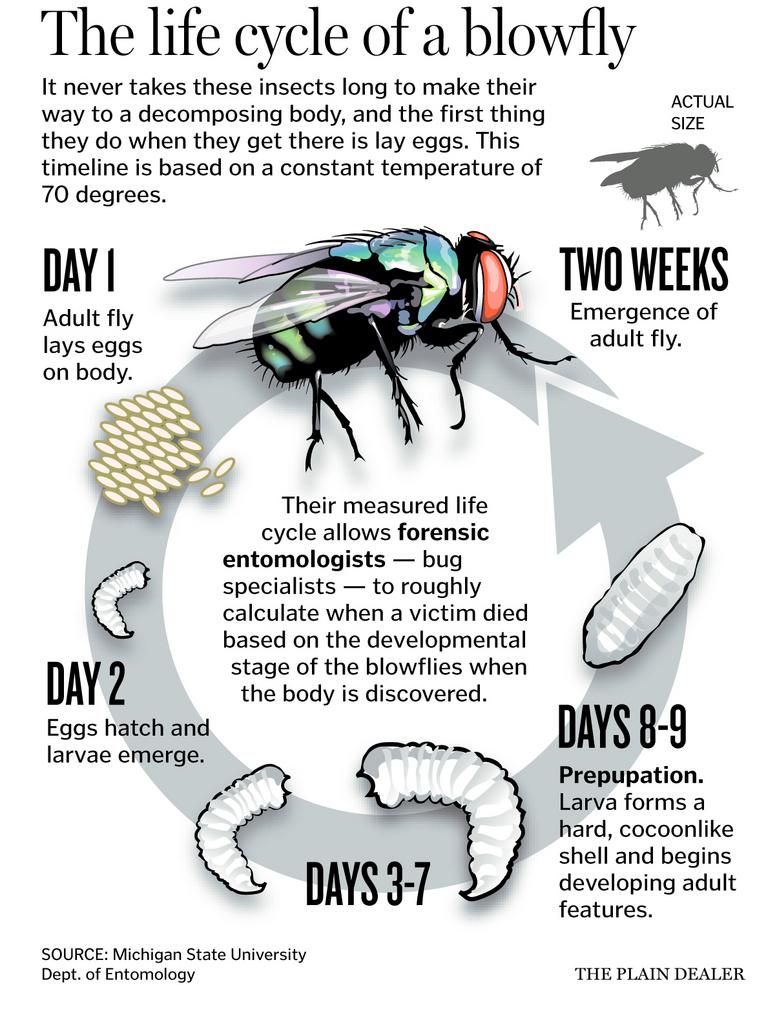
Forensic entomology has become an indispensable asset within Cameroonian criminal investigations by leveraging the predictable behavior of insects attracted to decaying bodies. When examining carcasses of the common brown rat (Rattus norvegicus, Wistar variety), investigators can extract vital information about post-mortem intervals (PMI) and other temporal markers essential for reconstructing events surrounding death.
Key insect groups frequently encountered during these analyses include:
- Blow flies (Calliphoridae): These flies are typically among the first to arrive at fresh remains, providing early-stage decomposition indicators.
- Sarcophagid flies (Sarcophagidae): Their presence signals intermediate decay phases and helps refine PMI estimates.
- Carrion beetles (
Recent field studies conducted across various Cameroonian habitats have documented specific colonization patterns and developmental timelines of these arthropods on rat carcasses. Such data enable forensic teams to standardize protocols tailored to local ecological contexts—an essential step given that traditional methods sometimes fall short due to environmental variability.
Decoding Crime Scenes Through Arthropod Succession on Rat Carcasses
The examination of decomposing Rattus norvegicus specimens offers more than just biological curiosity; it serves as a window into understanding complex crime scene dynamics. The sequential arrival—or succession—of insect species acts as a natural clock that can pinpoint time since death with increasing accuracy.
Moreover, variations in insect diversity and abundance reflect microclimatic factors such as temperature fluctuations and humidity levels prevalent at different locations within Cameroon’s varied landscapes—from humid rainforests to savannah regions. These environmental parameters directly influence decay rates and thus must be integrated into forensic interpretations.
Important considerations include:
- Diversity Patterns: The assortment of arthropods found on rat remains reveals habitat-specific ecological niches relevant for regional casework.
- Trophic Interactions: Understanding predator-prey relationships among carrion insects aids in mapping decomposition stages more precisely.
- Meteorological Impact: Local climate data combined with entomological findings improve accuracy when estimating PMIs under fluctuating weather conditions.
By correlating these factors with observed insect activity, forensic experts gain enhanced capabilities for reconstructing events leading up to discovery—critical when human victims or suspects may be involved.
Advancing Forensic Entomology Practices Across Central Africa: Strategic Recommendations
To fully realize the potential of forensic entomology within Cameroon and neighboring countries, several strategic initiatives should be prioritized:
– Establish collaborative networks between universities, research centers, and law enforcement agencies aimed at training personnel specialized in collecting and identifying arthropod evidence accurately.
– Develop community outreach programs designed to raise public awareness about the role insects play in solving crimes while encouraging citizen participation through workshops or reporting platforms.
– Create comprehensive reference databases cataloguing native carrion-associated species along with their life cycles under varying climatic conditions unique to Central Africa.
– Implement digital data-sharing systems enabling real-time exchange between scientists and investigators nationwide—facilitating faster case resolutions based on shared expertise.
Tailoring investigative protocols around indigenous fauna ensures relevance while fostering sustainable scientific growth aligned with regional biodiversity conservation efforts.
Conclusion: Pioneering Justice Through Insect Science in Cameroon’s Forensics Landscape
The integration of forensic entomology into Cameroon’s criminal justice framework marks an exciting frontier where biology meets law enforcement innovation. By meticulously studying arthropod communities inhabiting decomposed rat carcasses like those from Rattus norvegicus (Wistar), researchers provide invaluable chronological clues that enhance investigative precision amid challenging environments.
As this discipline matures locally—with ongoing research refining methodologies adapted specifically for Central African ecosystems—the prospects grow brighter for delivering timely justice supported by robust scientific evidence. Beyond aiding prosecutions, such endeavors enrich our comprehension of ecosystem interactions involving scavenger species critical both ecologically and legally.
Ultimately, embracing this synergy between biodiversity knowledge and criminological application promises a future where even minute creatures serve as pivotal witnesses unveiling truths hidden beneath layers of decay—a testament to nature’s silent testimony against crime.