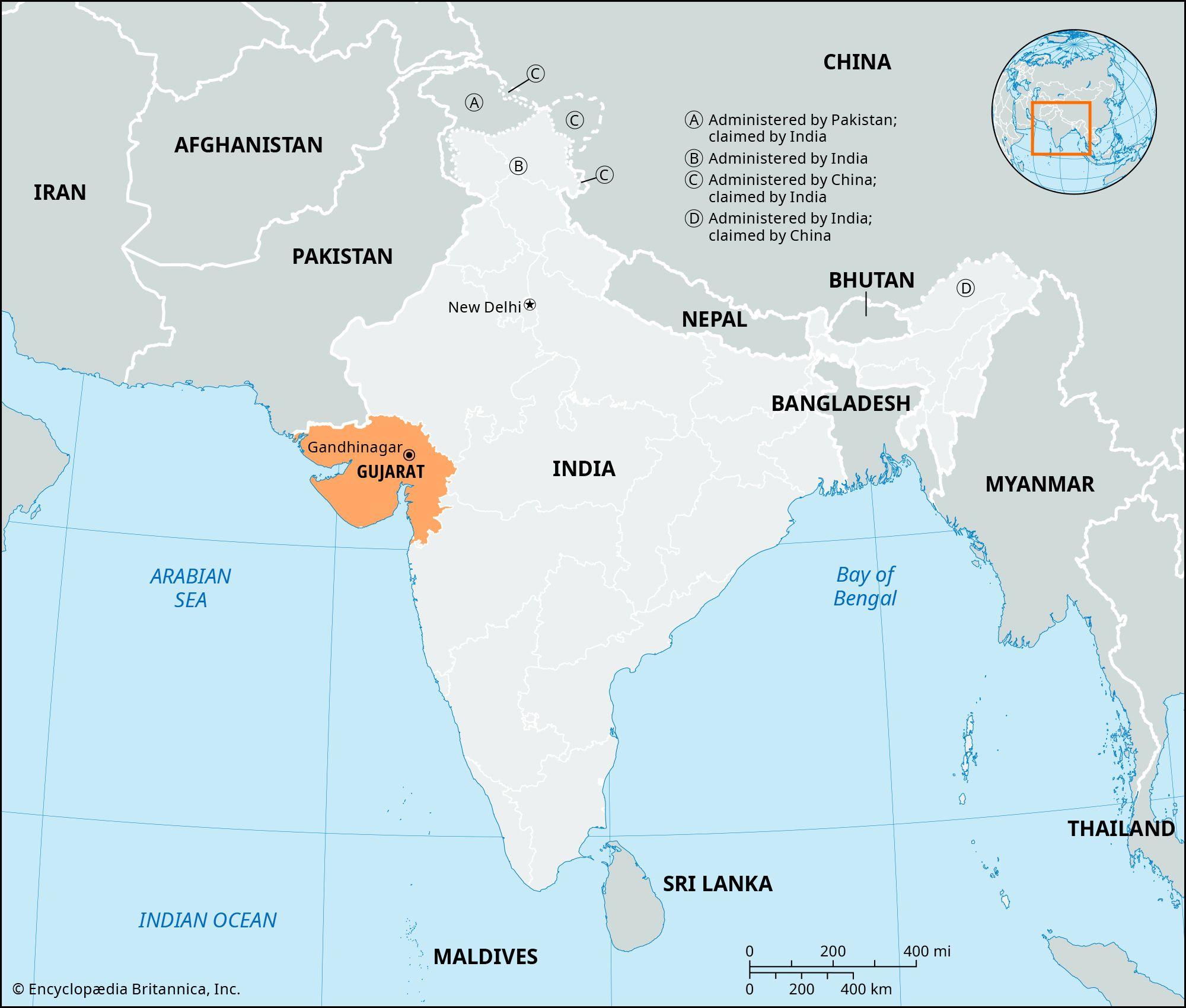
As Gujarat’s manufacturing sectors prepare for a potentially seismic shift, industry stakeholders are on high alert following reports of a looming threat of a 50% tariff. This tariff, if implemented, could have far-reaching implications for the state’s economy, which has long been a hub for manufacturing activities ranging from textiles to automobiles. Experts warn that such an increase could stymie growth, disrupt supply chains, and lead to significant job losses across various industries. With businesses already grappling with the aftereffects of the pandemic and global supply chain disruptions, the proactive measures they take now could be crucial in weathering this impending storm. As the situation unfolds, industry leaders are calling for clarity and support from the government to navigate these uncertain waters.
Gujarat’s Manufacturing Landscape Faces Uncertain Future Amid Tariff Threat
The looming threat of a 50% tariff on imports has sent shockwaves through Gujarat’s manufacturing sectors, sparking concerns about the stability and competitiveness of industries that have long been the backbone of the state’s economy. Key players in the manufacturing landscape, including textiles, chemicals, and automobiles, are bracing themselves for potential disruptions. Industry insiders have noted that a significant increase in operational costs could cripple local manufacturers, leading to reduced production rates and potential job losses. Stakeholders are now closely monitoring government moves and international trade negotiations, which could shape the course of their future.
In response to this uncertain climate, manufacturers are taking proactive measures to mitigate risks, including:
- Diversifying supply chains: Reducing reliance on imports to bolster local production.
- Investing in technology: Enhancing automation and efficiency to offset higher costs.
- Exploring new markets: Identifying opportunities for growth beyond traditional export partners.
However, the implementation of such strategies requires substantial investment and time, adding another layer of complexity to an already challenging environment.
| Sector | Potential Impact of Tariff |
|---|---|
| Textiles | Increased costs may lead to lower exports and market share. |
| Chemicals | Higher raw material costs could force price hikes, affecting competitiveness. |
| Automobiles | Rising production costs could stall growth in a price-sensitive market. |
Expert Analysis on Potential Economic Fallout for Key Industries
As the looming threat of a 50% tariff intensifies, key manufacturing sectors in Gujarat are facing unprecedented challenges. The textile industry, a cornerstone of the region’s economy, could experience significant disruptions. Experts argue that such a drastic tariff increase may lead to a ripple effect, impacting supply chains and raising production costs. This may result in a dual hit, where both local producers and consumers are squeezed, leading to potential layoffs and a downturn in local investment.
In addition to textiles, the automobile and pharmaceutical industries are also bracing for the economic fallout. Industry leaders highlight several critical points of concern:
- Cost increases: A higher tariff can lead to more expensive imports, straining manufacturers already grappling with fluctuating raw material prices.
- Reduced competitiveness: Domestically produced goods could become less attractive compared to cheaper foreign alternatives, leading to decreased market share.
- Innovation halts: The uncertainty surrounding tariffs may stall ongoing R&D initiatives, as companies redirect funds towards managing immediate operational challenges.
To paint a clearer picture, the following table summarizes the potential impact across these sectors:
| Sector | Potential Impact | Response Strategy |
|---|---|---|
| Textiles | Cost surge; potential job losses | Local sourcing of materials |
| Automobiles | Market share decline | Enhanced export strategies |
| Pharmaceuticals | Slowed R&D | Focus on domestic market |
Strategies for Mitigating Risks and Adapting to Tariff Changes
As the specter of a 50% tariff looms over Gujarat’s manufacturing sectors, businesses must adopt robust strategies to shield themselves from potential setbacks. Key approaches include:
- Diversification of Supply Chains: By sourcing materials and components from multiple suppliers, companies can reduce their dependency on a single market, thereby minimizing the impact of tariffs.
- Investing in Technology: Automation and advanced manufacturing techniques can help enhance productivity and lower costs, making businesses more resilient against increased tariffs.
- Market Analysis and Intelligence: Regular assessment of market conditions and competitors can empower industries to swiftly adapt their strategies, allowing them to respond to changing tariff scenarios effectively.
Additionally, fostering strong relationships with customers can be vital in navigating tariff-induced challenges. Implementing customer feedback systems allows firms to tailor their products and services, ensuring loyalty and sustained revenue streams. A proactive pricing strategy should also be adopted, which may involve:
- Revisiting Pricing Models: Companies might consider adjusting their pricing strategies to absorb some of the tariff costs without alienating customers.
- Value Proposition Enhancement: By emphasizing quality and unique features, businesses can justify higher prices to mitigate profit losses from tariffs.
| Strategy | Primary Benefit |
|---|---|
| Diversification | Reduces dependency on single suppliers |
| Technology Investment | Enhances productivity |
| Market Intelligence | Informs agile decision-making |
| Pricing Model Adjustment | Protects profit margins |
| Value Proposition Enhancement | Maintains customer loyalty |
The Conclusion
As the specter of a 50% tariff looms over Gujarat’s manufacturing sectors, stakeholders must adopt a proactive approach to safeguard their interests and adapt to the shifting economic landscape. With potential repercussions on production costs, supply chains, and competitiveness, the urgency for strategic planning cannot be overstated. Industry leaders are urged to engage in dialogue with policymakers to explore collaborative solutions that can mitigate the impact of these looming tariffs. As Gujarat navigates these choppy waters, the resilience of its manufacturing hub will surely be tested. The coming months will be pivotal in determining how effectively the state can respond to these challenges and maintain its status as a key player in India’s economic development. The Times of India will continue to monitor the situation closely, providing updates on emerging trends and responses from the sector.