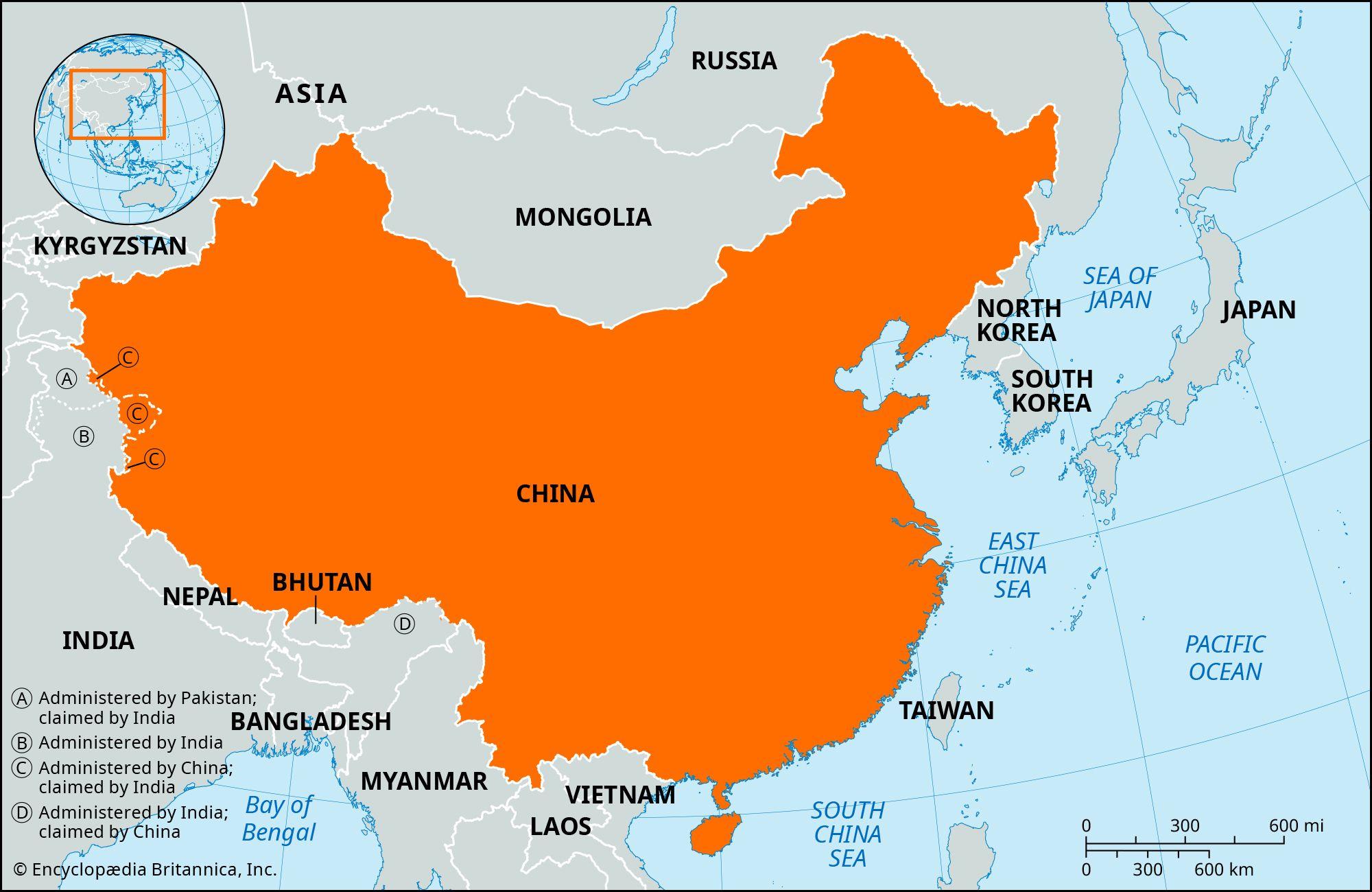
In the complex tapestry of international relations, historical grievances often cast long shadows, and the relationship between China and Japan is no exception. Despite decades of economic cooperation and diplomatic engagement, deep-seated animosities rooted in World War II continue to mar ties between the two East Asian giants. The lingering resentment over wartime atrocities, territorial disputes, and nationalistic fervor has created an unhealed wound that remains a significant obstacle to reconciliation. This article delves into the enduring challenges that hinder mutual understanding and peace between China and Japan, exploring the socio-political dynamics, public sentiment, and the potential paths forward as both nations navigate their fraught history. As the regional landscape continues to evolve, the question remains: can these historical wounds ever truly heal?
Addressing Historical Tensions: Understanding the Roots of Sino-Japanese Relations
The historical tensions between China and Japan can be traced back through centuries of complex interactions that have significantly shaped their national identities. Key events, such as the First Sino-Japanese War (1894-1895) and World War II, catalyzed animosities that still resonate today. While the Treaty of Shimonoseki ceded control of Taiwan to Japan, it also catalyzed a sense of humiliation among the Chinese populace. In contrast, Japan’s militaristic expansion during the 1930s and its occupation of Chinese territories, including the infamous Nanjing Massacre, left scars that have become emblematic of suffering in Chinese historical memory. Each nation has relied on these historical narratives to foster nationalistic sentiments, which complicates reconciliation efforts.
At the heart of this discord, cultural factors play a significant role in perceptions and relations. Factors such as education, media representation, and national discourse contribute to public perceptions of each other. Educational curricula in both countries often emphasize historical grievances rather than fostering mutual understanding. For instance, a recent survey highlighted the lack of awareness among Japanese youth regarding the atrocities committed during the occupation. Conversely, many Chinese citizens are largely informed through narratives that emphasize victimhood which reinforces distrust. The complex interplay of history, national identity, and collective memory underlines the importance of addressing these issues to pave the way for a more harmonious future.
| Event | Year | Significance |
|---|---|---|
| First Sino-Japanese War | 1894-1895 | Japan emerges as a major regional power |
| Second Sino-Japanese War | 1937-1945 | Japanese occupation causes immense suffering in China |
| Nanjing Massacre | 1937 | Symbol of wartime atrocities and trauma |
| Normalization of Relations | 1972 | Formal diplomatic relations established |
Promoting Dialogue and Cooperation: Steps Towards Healing the Historical Rift
In the pursuit of reconciliation, both nations must actively engage in initiatives that foster understanding and empathy. Educational exchanges can serve as a powerful tool, allowing students and scholars from both sides to gain insights into each other’s cultures and histories. Programs such as joint research projects or cultural festivals can pave the way for shared experiences that humanize the “other” and dispel long-held stereotypes. Moreover, promoting language learning between the two countries is essential; understanding the nuances of each other’s languages can significantly enhance communication and diminish misunderstandings.
Furthermore, multilateral dialogues involving regional players can amplify these efforts, creating a broader platform for discussing historical grievances and contemporary issues. Initiatives like regular diplomatic summits and strategic partnerships in areas such as trade, environment, and security can establish a foundation for future collaboration. A focus on joint historical research can also provide a more balanced perspective on contentious narratives and promote a collective memory that recognizes both nations’ victimhood and agency. Such steps are vital in healing the deep-seated rift that, left unaddressed, threatens future relations.
The Role of Education and Media in Shaping Perceptions Between China and Japan
Education and media serve as powerful catalysts in influencing public perception, particularly in the fraught historical context between China and Japan. In educational settings, the narratives and curricula surrounding events such as the Second Sino-Japanese War often reflect nationalistic sentiments, which can create a sense of division rather than understanding. For instance:
- Textbooks: The portrayal of historical events varies drastically, with Chinese textbooks focusing on suffering and oppression, while Japanese texts may emphasize economic cooperation and post-war recovery.
- University Programs: Partnerships between institutions can promote a deeper understanding, yet are often overshadowed by political tensions that hinder collaborative historical research.
The role of media is equally significant in shaping perceptions, as news coverage tends to amplify existing biases. In both countries, sensationalist reporting can perpetuate stereotypes and deepen mistrust. This is evident in interactions on social media platforms, where misinformation spreads rapidly, leading to:
- Polarized Opinions: Headlines often frame narratives in a way that fosters division, overshadowing potential avenues for dialogue.
- Public Discourse: The comments sections on various platforms can become battlegrounds for historical grievances, diverting attention from current cooperation efforts.
Key Takeaways
As tensions continue to simmer between China and Japan, the historical grievances that underpin this fraught relationship remain largely unaddressed. The wounds of the past, particularly those stemming from World War II, still cast a long shadow over diplomatic efforts and mutual perceptions. While both nations seek to advance their economic interests and strengthen regional security, the lack of reconciliation over historical issues poses a significant obstacle to lasting peace.
In the context of their complex interactions, it is crucial for both governments and their citizens to engage in open dialogue, acknowledge past injustices, and work towards healing these deep-seated wounds. Only through such efforts can China and Japan hope to redefine their relationship and foster a future of collaboration and understanding. As the situation continues to evolve, the world will be watching closely, hoping for a resolution that honors the lessons of history while paving the way for a more harmonious coexistence.