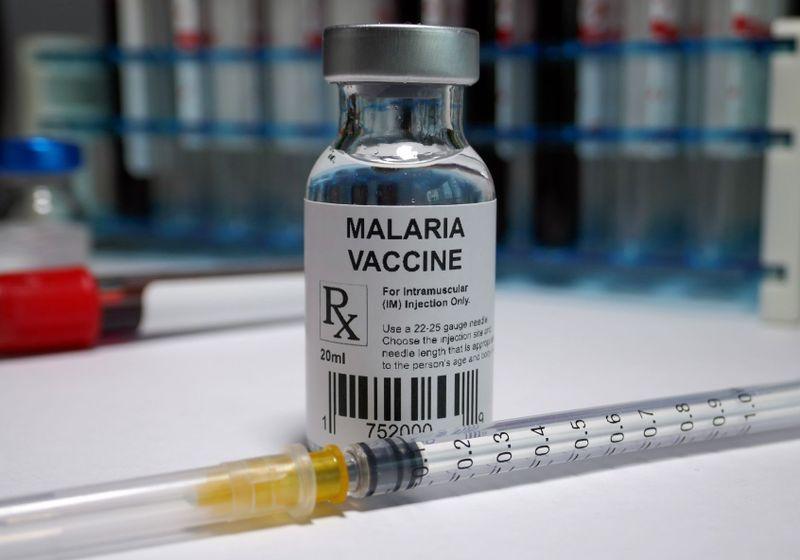
In the ongoing battle against malaria, a preventable and treatable disease that continues to claim hundreds of thousands of lives each year, the quest for effective solutions is more urgent than ever. In Dar es Salaam, Tanzania, where malaria remains a significant public health challenge, recent research has illuminated a crucial aspect of disease prevention: the knowledge and willingness of caregivers to embrace malaria vaccines. A new study published in the Malaria Journal has found that understanding and attitudes towards vaccination can significantly influence uptake rates, ultimately shaping the trajectory of malaria control in the region. With the rollout of malaria vaccines gaining momentum, the insights derived from this study are essential for public health officials, caregivers, and policymakers alike as they strategize to enhance community engagement and foster a more informed approach to malaria prevention in urban settings. As the fight against malaria advances with the promise of vaccination, the role of caregivers in this critical endeavor cannot be overstated.
Understanding the Awareness of Malaria Vaccines Among Caregivers in Dar es Salaam
The understanding of malaria vaccines among caregivers in Dar es Salaam is critical in the fight against this deadly disease. Recent studies indicate that awareness levels vary significantly, with many caregivers demonstrating a foundational understanding of malaria and the potential of vaccination as a preventive measure. Key findings show that:
- 41% of caregivers are aware of the existence of malaria vaccines.
- 65% recognize the importance of vaccinating children under five.
- 38% have misconceptions regarding vaccine safety and side effects.
Despite the gaps in knowledge, there is a notable willingness among caregivers to support malaria vaccination efforts. Many express a strong desire to learn more about vaccine efficacy and safety protocols, viewing vaccination as a necessary step toward protecting their children from malaria’s severe impacts. To enhance understanding and support, local health authorities can implement targeted educational campaigns that focus on:
- Providing clear information about vaccine benefits.
- Addressing common myths surrounding vaccines.
- Facilitating community forums for discussions with healthcare providers.
Barriers to Vaccine Uptake: Insights from Caregivers’ Perspectives
Insights gathered from caregivers in Dar es Salaam reveal multiple barriers that hinder the uptake of malaria vaccines. The caregiving community expresses concerns over insufficient information regarding the efficacy and safety of vaccines. Many caregivers reported feeling overwhelmed by mixed messages received from various health sources, leading to uncertainty and hesitation about immunization. Additionally, logistical challenges such as limited access to healthcare facilities and high costs associated with travel further exacerbate the reluctance to seek vaccination for their children. Cultural beliefs also play a role, with some caregivers indicating that traditional remedies are preferred over newly introduced vaccine options.
Another significant barrier identified is the influence of social networks and peer opinions. Caregivers often rely on the experiences and recommendations of friends and family when making health decisions for their children. The reluctance to vaccinate is compounded when negative experiences with past healthcare initiatives are shared within their communities. Moreover, the lack of incentives for vaccination—in terms of rewards or assurance of improved health outcomes—creates an additional disincentive. Addressing these barriers effectively requires a comprehensive strategy focused on community engagement, education, and support systems designed to empower caregivers with the necessary knowledge and resources to make informed decisions about malaria vaccination.
Strategies for Enhancing Vaccine Acceptance in the Community
Enhancing vaccine acceptance among caregivers in Dar es Salaam requires a multifaceted approach. First, it is essential to improve educational outreach efforts that focus on the specific benefits of malaria vaccination. Community health workers can hold informative sessions in local languages to reach diverse populations, ensuring that information is accessible and relatable. Additionally, collaboration with local leaders can help legitimize vaccination programs, as these figures are often trusted sources of information. Engaging in community dialogues and addressing misconceptions openly can significantly elevate the community’s understanding and acceptance.
Furthermore, leveraging technology can play a critical role in increasing vaccine acceptance. Utilizing mobile health applications to send reminders about vaccination schedules, combined with valuable educational content, can encourage participation. Additionally, campaigns highlighting personal stories of caregivers who have chosen to vaccinate their children can humanize the data and resonate more deeply with families. Community feedback mechanisms, such as surveys, can also identify barriers to acceptance and shape health strategies accordingly. Aiming for transparency and involving the community in decision-making processes will foster a sense of ownership and responsibility towards vaccination initiatives.
Key Takeaways
In conclusion, the findings from the Malaria Journal’s study on caregivers in Dar es Salaam highlight a critical intersection of knowledge and willingness regarding malaria vaccines. As malaria remains a significant health threat in Tanzania, the insights gained from this research emphasize the importance of community awareness and education in increasing vaccine acceptance among caregivers. The path forward requires a concerted effort from health authorities and policymakers to not only disseminate accurate information about the benefits and safety of malaria vaccines but also to engage communities in meaningful discussions that address their concerns. With malaria vaccines on the horizon, boosting caregiver confidence and participation could be instrumental in transforming the fight against this preventable disease. As we look ahead, the implications of this study may provide a blueprint for enhancing public health strategies in similar contexts, ultimately paving the way toward a malaria-free future.