Two Years of War in Sudan: How the SAF is Gaining the Upper Hand
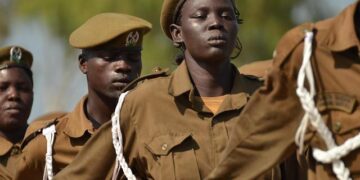
As Sudan marks the two-year anniversary of its brutal conflict, the dynamics on the ground continue to evolve dramatically. Recent data from the Armed Conflict Location & Event Data Project (ACLED) reveals a significant shift in power, as the Sudanese Armed Forces (SAF) appear to be gaining the upper hand in the ongoing struggle against rival factions. What began as a political dispute has escalated into a humanitarian crisis of staggering proportions, displacing millions and prompting international concern. This article examines the current landscape of the conflict, the strategies employed by the SAF, and the implications for Sudan’s future, as the country grapples with the enduring consequences of war.
Unpacking the Dynamics of the Sudanese Armed Forces’ Strategy in Ongoing Conflict
The Sudanese Armed Forces (SAF) have adapted their military tactics in response to the evolving landscape of conflict over the past two years. By consolidating their control over key geographic areas and employing a strategic mix of conventional military operations alongside guerilla tactics, they have managed to secure advantages in several regions. This adaptive strategy involves:
- Intensified aerial bombardments: Utilizing air power to target rebel positions significantly disrupts enemy capabilities.
- Formation of alliances: Collaborating with local militias enhances ground presence and extends operational reach.
- Logistics and supply chain optimization: Strengthening supply lines ensures sustainability in extended engagements.
Moreover, the SAF’s psychological warfare tactics, aimed at diminishing the morale of opposing forces, have proven effective. Reports indicate a calculated campaign of disinformation aimed at creating divisions within rebel ranks. The SAF also monitors civilian sentiments, deploying counter-narratives to bolster their image and diminish support for insurgent groups. This holistic approach can be summarized in the table below:
| Strategy Component | Impact |
|---|---|
| Aerial Bombardments | Disrupts rebel operations |
| Local Alliances | Extends control and influence |
| Disinformation Campaigns | Erodes enemy morale |
Regional Implications of the SAF’s Ascendancy and Its Impact on Civilian Security
The recent strengthening of the Sudanese Armed Forces (SAF) carries significant ramifications for the region, reshaping power dynamics and contributing to a precarious state of civilian security. As the SAF consolidates its power, neighboring countries are compelled to reassess their strategic interests in Sudan, leading to a delicate recalibration of alliances. This ascendance not only alters the balance of force within Sudan but also invites external influence, with various state and non-state actors positioning themselves either to support or counter the SAF’s ambitions. The implications of this shift could result in intensified competition among regional powers, potentially destabilizing the already fragile security landscape in Eastern Africa.
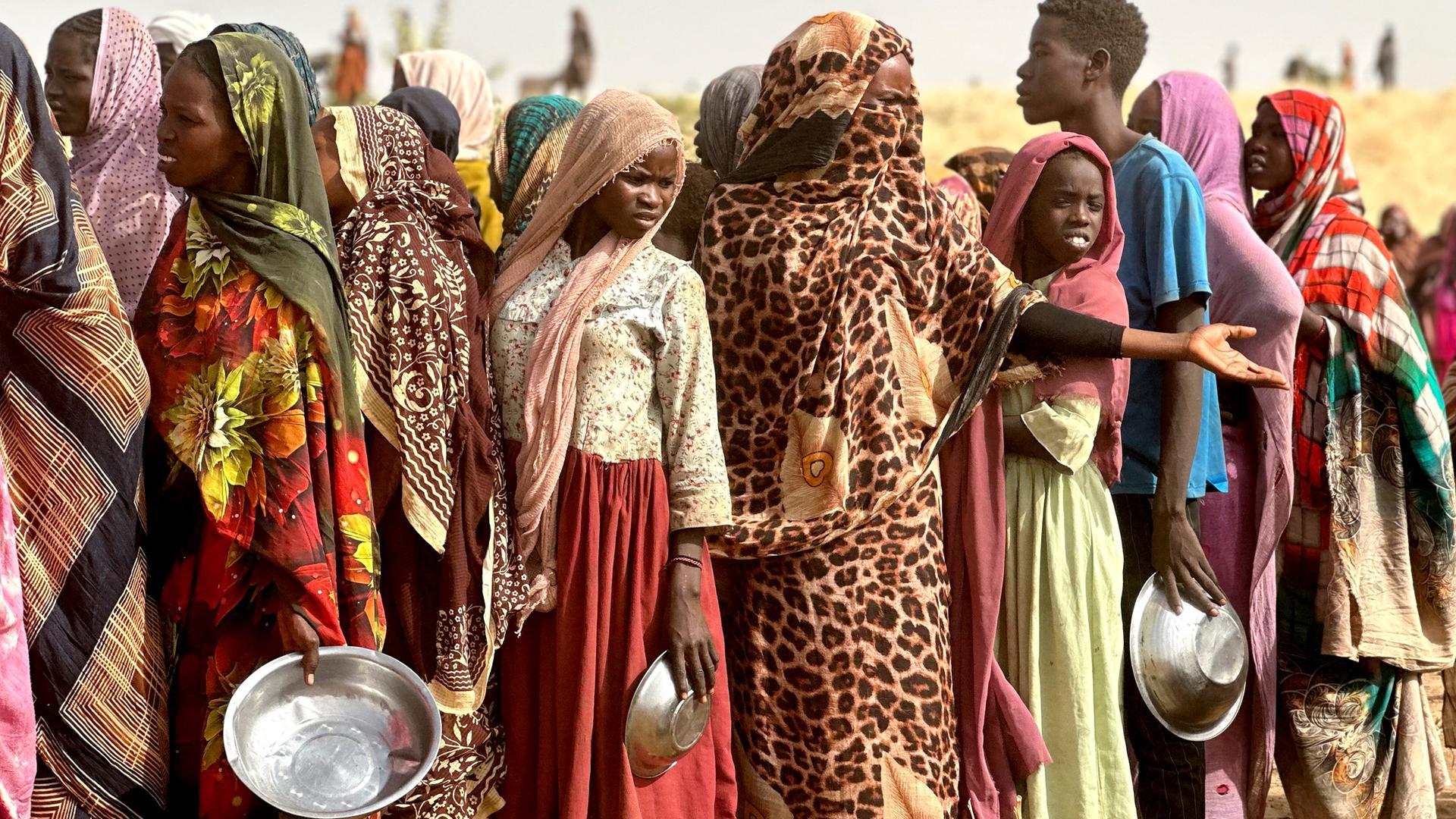
Civilians remain at the heart of this evolving scenario, facing dire consequences as military factions jockey for control. Reports indicate that as the SAF gains an upper hand, incidents of targeted violence, displacement, and humanitarian crises are escalating. Key concerns include:
- Increased Conflicts: The SAF’s consolidation may trigger retaliatory actions from rival factions, exacerbating violence in civilian areas.
- Human Rights Violations: Civilians are often caught in the crossfire, facing arbitrary detentions and abuses as military operations intensify.
- Displacement: The ongoing conflict has resulted in significant dislocation, with communities fleeing conflict zones to seek safety.
| Impact Area | Description |
|---|---|
| Civilian Safety | Heightened risks as military and paramilitary groups clash |
| Forced Migration | Surge in IDPs and refugees seeking asylum in neighboring regions |
| Economic Instability | Disruption of trade and basic services due to conflict |
Pathways to Peace: Recommendations for International Intervention and Support in Sudan
To effectively address the ongoing conflict and humanitarian crisis in Sudan, a multifaceted approach to international intervention and support is essential. Key recommendations include:
- Strengthening Diplomatic Efforts: International bodies such as the African Union and United Nations must prioritize diplomatic engagement, facilitating peace talks between the warring factions and emphasizing a ceasefire.
- Humanitarian Aid Mobilization: Increased funding for humanitarian aid is crucial to address the immediate needs of the Sudanese population, including food, medical care, and shelter.
- Support for Civil Society: Empowering local NGOs and civil organizations can ensure a grassroots approach to rebuilding and provide avenues for community-led peace initiatives.
- Sanctions and Accountability: Enacting targeted sanctions against individuals and entities that impede peace and perpetuate violence can help deter aggressive actions by the Sudanese Armed Forces.
Moreover, the international community should consider the establishment of a comprehensive framework for peacebuilding that includes:
| Intervention Type | Focus Area |
|---|---|
| Peacekeeping Missions | Monitoring ceasefires and protecting civilians |
| Economic Support | Reconstruction and development initiatives |
| Capacity Building | Training security forces on human rights |
| Transitional Justice | Creating frameworks for accountability and reconciliation |
By collaborating with regional partners and leveraging resources effectively, the international community can play a pivotal role in steering Sudan towards lasting peace and stability.
Key Takeaways
As the conflict in Sudan marks two years of intense strife, the balance of power shifts precariously, with the Sudanese Armed Forces (SAF) increasingly seizing the upper hand in the ongoing struggle. The latest analysis from the Armed Conflict Location & Event Data Project (ACLED) underscores the changing dynamics on the ground, revealing a complex interplay of military strategy and regional implications. As international observers continue to monitor the situation, the humanitarian toll remains staggering, with millions displaced and basic necessities dwindling. The war in Sudan is far from over, and the path to resolution appears fraught with challenges. With the SAF gaining momentum, the question remains: can a sustainable peace be achieved, or will the cycle of violence perpetuate further hardship for the Sudanese people? Only time will tell as the international community grapples with the implications of this protracted conflict.