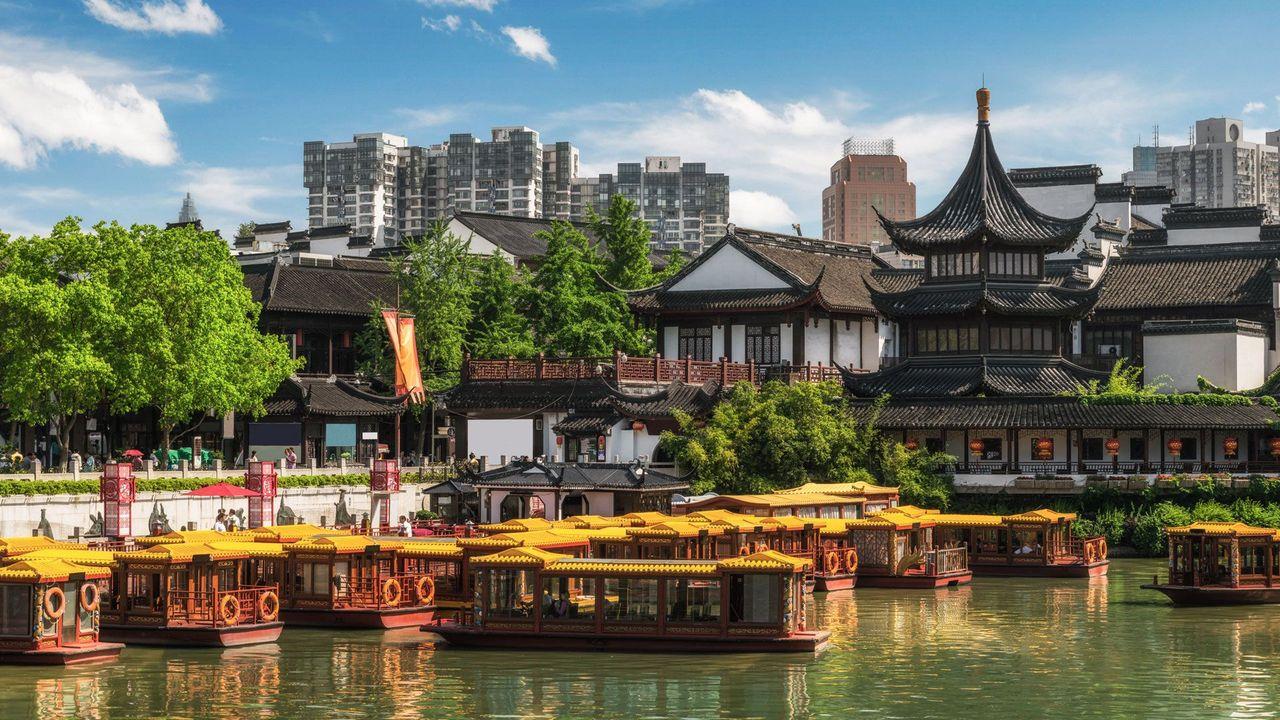
Nanjing: How the Massacre Still Haunts China-Japan Relations
The Nanjing Massacre, one of the most harrowing episodes of the Second Sino-Japanese War, continues to cast a long shadow over Sino-Japanese relations, decades after the atrocities committed in the winter of 1937-38. As China and Japan navigate their complex relationship marked by economic interdependence and historical grievances, the memory of the massacre remains a potent symbol of national trauma. This article examines how the lingering wounds of this brutal event not only shape public consciousness in China but also influence diplomatic negotiations and political rhetoric between the two nations. Despite efforts to reconcile through dialogue and mutual acknowledgment, the echoes of the past reverberate, complicating attempts to forge a harmonious future. As the world watches, the ghosts of Nanjing remind us that history is not easily forgotten; it is a lens through which both nations are forced to confront their shared – yet deeply divided – legacy.
The Lingering Shadows of Nanjing on Modern Diplomatic Ties
The ghosts of the past continue to shape the landscape of modern diplomacy between China and Japan, particularly as the Nanjing Massacre remains a poignant symbol of wartime atrocities. This historical event, which claimed the lives of countless civilians during the Second Sino-Japanese War, serves not merely as a historical footnote but as a living memory that influences public sentiment and governmental relations. In contemporary discussions, the differing narratives surrounding the massacre often fuel tensions, complicating attempts at reconciliation and mutual understanding. Major issues include:
- Educational Discrepancies: Varying interpretations of history in educational systems.
- Political Rhetoric: Diplomatic engagements frequently marred by politicians invoking historical grievances.
- Public Sentiment: Nationalist sentiments in both countries can turn historical memory into a flashpoint.
Efforts to address these lingering shadows come in various forms, from joint historical research initiatives to cultural exchange programs aimed at fostering goodwill. Yet, the journey remains fraught with challenges, as both nations grapple with their past while aspiring toward a cooperative future. A recent survey reflecting public attitudes underscores these complexities:
| Perspective | China (%) | Japan (%) |
|---|---|---|
| Support for educational reform | 85 | 62 |
| Desire for stronger diplomatic ties | 70 | 55 |
| Perceptions of historical grievances | 78 | 42 |
Understanding the Historical Context Behind Ongoing Tensions
The scars of the Nanjing Massacre, which occurred in 1937 during the Second Sino-Japanese War, continue to shape the diplomatic landscape between China and Japan. This brutal episode, marked by the indiscriminate killing of Chinese civilians and widespread atrocities, serves as a potent reminder of unresolved historical grievances. As both nations grapple with their collective memories, the legacy of Nanjing manifests in ongoing disputes, nationalist sentiments, and periodic flare-ups in bilateral relations. In this context, the differing narratives of history between the two countries exacerbate tensions, as each side seeks to affirm its perspective on past events.
Several key factors contribute to the complexity of these tensions:
- Historical Denial and Disputes: Japan’s reluctance to fully acknowledge the atrocities committed during the massacre fosters resentment in China.
- National Identity: For many Chinese, the memory of Nanjing is integral to national identity and serves as a rallying point against perceived foreign aggression.
- Bilateral Relations: Economic and political cooperation is often overshadowed by historical grievances, leading to cyclical tensions.
| Aspect | China’s Perspective | Japan’s Perspective |
|---|---|---|
| Acknowledgment | Calls for a full acknowledgment of wartime atrocities | Focus on reconciliation with a lesser emphasis on specific events |
| Commemoration | Formal remembrance of victims | Varied recognition, often contentious within domestic politics |
| Diplomatic Relations | History affects trade and political ties | Strives for positive relations despite historical baggage |
Paths to Reconciliation: Strategies for Healing and Moving Forward
The path to healing in the context of historical atrocities like the Nanjing Massacre involves multi-faceted approaches that extend beyond simple acknowledgment. Education plays a pivotal role not only in informing younger generations about the past but in promoting empathy and understanding. For example, the integration of Nanjing’s history into school curriculums can equip students with a more comprehensive view of their shared past, encouraging dialogue rather than division. Furthermore, cultural exchanges can foster a sense of shared humanity, allowing citizens from both nations to engage in collaborative projects that highlight their common interests and experiences, thus paving the way for reconciliation.
Another crucial strategy involves official diplomacy that emphasizes dialogue over blame. This includes the establishment of forums aimed at discussing historical grievances in a constructive manner. A collaborative table, for instance, can facilitate discussions on reparative justice, where both sides present their perspectives and seek mutual understanding. Here’s a simple representation of what such dialogue could involve:
| Party A (China) | Party B (Japan) |
|---|---|
| Focus on remembrance of victims | Emphasize historical context and narrative |
| Advocate for memorials and education | Promote cultural exchange programs |
| Seek acknowledgment of pain | Offer apologies and engage in reparative dialogues |
Through these strategies, both nations can work towards a future where historical wounds may not define their relationship but instead serve as a foundation for a more respectful and peaceful coexistence.
Key Takeaways
In conclusion, the haunting legacy of the Nanjing Massacre continues to cast a long shadow over China-Japan relations, serving as a painful reminder of unresolved historical grievances. As both nations strive for diplomatic progress, the specter of this tragic event remains a sensitive issue that complicates efforts toward reconciliation. While younger generations may seek to move forward, the scars of the past persist, complicating narratives and shaping national identities. As the world watches, the path to mutual understanding and healing remains fraught with challenges, underscoring the importance of addressing historical injustices to forge a more harmonious future in East Asia. The scars of Nanjing may never fully heal, but acknowledging the past is crucial for both nations as they navigate the complexities of their relationship in the years to come.