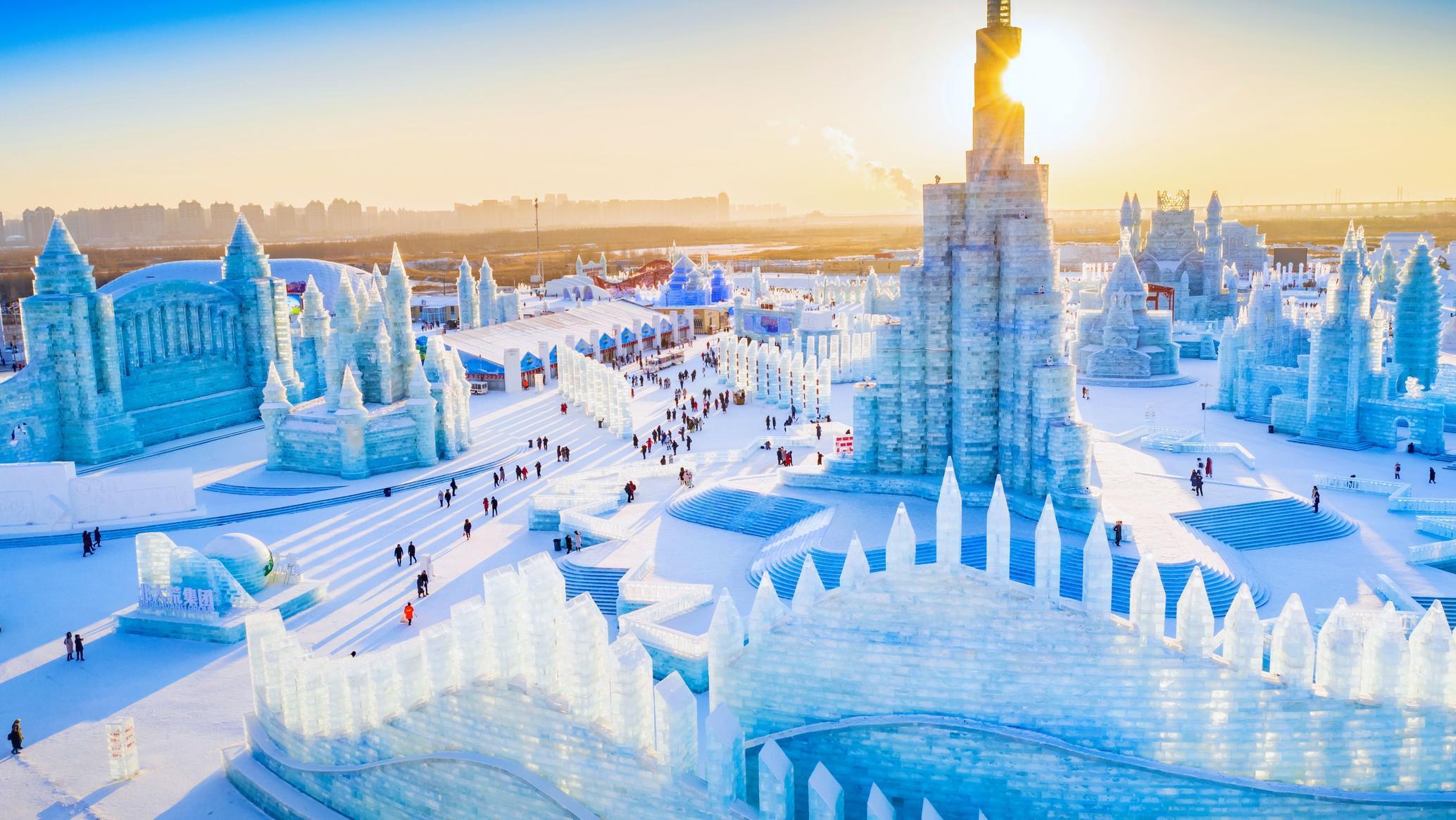
Title: Harbin Ice Cutters on Thin Ice as Warmer Temperatures Slash Income
As winter temperatures in Northeast China continue to rise, traditional ice cutters in Harbin find themselves navigating a precarious financial landscape. Once bustling with activity, the iconic Songhua River’s frozen surface now poses a stark challenge to local ice fishermen and cultural entrepreneurs who rely on the once-reliable winter income generated by harvesting ice. This year, warmer temperatures have led to thinner ice layers, prompting concerns not only for the livelihood of these craftsmen but also for the broader implications on the region’s cultural heritage associated with its historic ice trade. With climate change impacting seasonal norms, Harbin’s ice cutters are forced to confront an uncertain future, as their traditional skills and deep-rooted practices slip further into jeopardy.
Harbin Ice Cutters Face Income Decline Amid Rising Temperatures
The decline in income for Harbin’s ice cutters is becoming increasingly evident as the region experiences unseasonably warm temperatures. These skilled laborers, known historically for their craftsmanship, have relied on the onset of winter to create and harvest massive ice blocks from the frozen rivers. As temperatures soar, however, the traditional ice-cutting season has been shortened, dramatically affecting their livelihoods. This year, locals reported that the peak season has shrunk by several weeks, leaving many ice cutters struggling to make ends meet.
Aside from the direct impact on their earnings, the rising temperatures are forcing these workers to adapt their strategies. Many are now considering diversifying their income streams, which could include taking on additional seasonal work such as tourism-related activities. Furthermore, the community is grappling with broader implications of climate change, as the livelihood of ice cutters is just one of many vulnerable to shifting environmental conditions. Here are some of the changes they now face:
- Shorter cutting season: Ice cutting days have decreased.
- Increased competition: Fewer ice blocks mean more rivalry for remaining customers.
- Changing tradition: Younger generations may opt for more stable employment paths.
Impact of Climate Change on Traditional Ice Harvesting Practices
The traditional practice of ice harvesting in Harbin is facing unprecedented challenges due to the changing climate. This once-thriving industry, synonymous with the region’s winter festivities, is being undermined by rising temperatures that lead to thinner ice and shorter harvesting seasons. Ice cutters, who have relied on the natural freeze of the rivers and lakes, are now encountering increasingly precarious working conditions. With climate change accelerating, the impact is manifesting in several ways:
- Reduced Ice Formation: Warmer winters result in delayed freezing, making it difficult to harvest ice at the usual times.
- Safety Hazards: The thinning ice raises safety concerns for workers, who face the risk of accidents and injuries while attempting to cut ice.
- Economic Impacts: As operational days shrink, income for ice cutters is dwindling, threatening their livelihoods.
In response to these challenges, many ice harvesters are adapting by diversifying their practices or seeking alternative sources of income. Some are exploring tourist opportunities, offering visitors a glimpse into the history and craftsmanship of ice harvesting. This shift highlights a key adaptability factor within local communities as they navigate the effects of climate change. Nevertheless, the struggle to maintain traditional methods while adapting to modern realities is a tightrope walk for many, underscoring a growing need for strategies that can mitigate the adverse impacts on both culture and economy.
Strategies for Sustainable Livelihoods in the Face of a Warming Climate
As global temperatures rise, communities dependent on seasonal ice formations are facing significant economic challenges. In Harbin, traditional ice cutters are learning to adapt their livelihoods by diversifying their income sources. Strategies such as integrating tourism with their ice-cutting practices have emerged as a potential avenue for sustainability. Local entrepreneurs are exploring the following approaches:
- Offering guided ice sculpture workshops to attract tourists keen on experiencing local crafts.
- Creating seasonal festivals that celebrate ice culture and draw visitors to the region.
- Collaborating with restaurants to supply locally sourced ice for culinary experiences.
In addition, the local government and NGOs are stepping in to support these communities by providing training and resources related to sustainable practices. New programs are being developed to educate ice cutters about climate resilience and alternative livelihood options. Initiatives aimed at enhancing skills in areas such as ecotourism, sustainable agriculture, and crafts are essential for fostering greater economic stability. A recent survey highlighted some potential benefits of these programs:
| Program | Expected Benefit |
|---|---|
| Ecotourism Training | Improved visitor attendance |
| Craft Skills Workshops | Higher income from local arts |
| Agricultural Adaptation | Increased food security |
Future Outlook
As the climate crisis continues to reshape the world, the Harbin ice cutters find themselves at a precarious crossroads. The rising temperatures that have historically promised a thriving winter economy are now creating challenges that threaten their livelihoods and the traditional practices they uphold. With income dwindling and uncertainty looming, these laborers illustrate a broader narrative of adaptation and resilience in the face of environmental change. As Harbin’s iconic ice sculptures become increasingly vulnerable, the stories of those who make these seasonal wonders possible underscore the urgent need for sustainable solutions that balance tradition with the realities of a warming planet. As communities grapple with the impacts of climate change, the fate of the ice cutters serves as a poignant reminder of the fragile relationship between nature and livelihood.