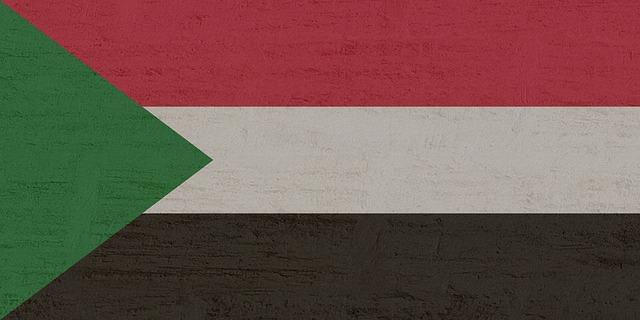
As Sudan grapples with unprecedented levels of violence and instability, the roots of the ongoing conflict are becoming increasingly complex and troubling. With clashes erupting between rival military factions and escalating ethnic tensions, the toll on civilian life has been devastating, leading to a humanitarian crisis that has drawn international concern. In this article, we delve into the multifaceted drivers of violence in Sudan, analyzing the historical, political, and social factors that have fueled the turmoil. Furthermore, we explore potential pathways to peace amidst a backdrop of decades-long strife, assessing the roles of regional and global stakeholders in facilitating dialogue and reconciliation. As the situation continues to evolve, understanding the underlying dynamics is crucial for shaping effective solutions in this war-torn nation.
Roots of the Conflict: Understanding the Historical Grievances Fueling Violence in Sudan
The ongoing violence in Sudan is deeply entrenched in a complex web of historical grievances that date back centuries. Colonial legacies, particularly the divide-and-rule tactics employed by British colonialists, exacerbated existing ethnic and regional tensions rather than resolving them. This created a dichotomy between the north and south, intensifying competition for resources and political power. The discovery of valuable resources, such as oil, further fueled these rivalries, as various groups sought to assert their claims and control over the wealth these resources could provide. As factions formed, alliances shifted, and the lack of centralized governance left a power vacuum that has persisted into the present day.
The situation is further complicated by systematic marginalization of diverse ethnic groups, leading to widespread feelings of disenfranchisement. The Arab-African divide has become a significant fault line, with marginalized communities often resorting to militias for protection and representation. This has escalated into violent clashes and a perpetual cycle of retribution and revenge. A comprehensive understanding of these grievances is pivotal for any peace initiative, as efforts to address only the symptoms without acknowledging the root causes risk perpetuating the cycle of violence. The historical context reveals a nation grappling with complicated identities, deep-seated animosities, and a dire need for inclusive dialogue to pave a path towards reconciliation and peace.
International Response and Vigilance: The Role of External Actors in Mitigating the Crisis
The situation in Sudan has prompted a range of international responses, reflecting the gravity of the unfolding crisis. Several countries and international organizations have stepped up their efforts to mediate and provide aid, viewing their involvement as crucial to preventing further escalation. Key actors include:
- United Nations: Engaging in peacekeeping efforts and urging the conflicting parties to enter negotiations.
- African Union: Mobilizing regional diplomatic initiatives to foster dialogue and stability within Sudan.
- European Union: Offering humanitarian assistance and supporting sanctions against those perpetuating violence.
- United States: Leveraging diplomatic pressure to encourage ceasefires and facilitate talks among warring factions.
In addition to immediate relief efforts, the role of external actors extends to maintaining vigilance over ceasefire agreements and human rights violations. The international community must ensure that aid reaches those most in need while also holding accountable those responsible for atrocities. A cooperative approach involving:
| Strategy | Objective |
|---|---|
| Diplomatic Engagement | To foster dialogue among conflicting parties. |
| Humanitarian Aid | To provide immediate relief to affected populations. |
| Monitoring Mechanisms | To oversee compliance with ceasefire agreements. |
All efforts must converge towards a comprehensive strategy that not only addresses the symptoms of the crisis but seeks to heal the underlying political and social fractures. Through sustained collaboration and commitment, external actors can play a pivotal role in steering Sudan towards a path of enduring peace.
Pathways to Peace: Strategic Recommendations for Sustainable Resolution in Sudan
To address the ongoing violence in Sudan, a multifaceted approach emphasizing dialogue and inclusivity is essential. Strengthening local governance structures can empower communities, fostering a sense of ownership over peace initiatives. Key stakeholders, including community leaders, women’s groups, and youth organizations, should be actively engaged in peace processes. Implementing grassroots mediation programs will facilitate open channels of communication, addressing grievances that fuel conflict. Additionally, the international community must support these local initiatives through diplomacy and funding, ensuring they are not just top-down mandates but resonate with the needs of the populace.
Moreover, establishing a comprehensive framework for disarmament and demobilization of armed groups is crucial. This should include:
- Integration of former combatants into civilian life through job training and educational opportunities.
- Community security programs to protect vulnerable populations and rebuild trust.
- Monitoring mechanisms for sustainable peace efforts involving local and international bodies.
By addressing the root causes of violence and adopting an inclusive approach, Sudan can forge a path toward lasting peace that acknowledges and respects the diverse fabric of its society.
The Conclusion
As the conflict in Sudan continues to unfold, the underlying factors fueling the violence remain complex and multifaceted. Ethnic tensions, political power struggles, and economic instability have all contributed to a crisis that has claimed countless lives and displaced millions. Efforts to establish peace must address these deep-rooted issues, fostering dialogue among all parties involved and ensuring equitable distribution of resources and power. The path to reconciliation may be fraught with challenges, but a commitment to inclusive governance and sustained international support could pave the way for a more stable and peaceful future for Sudan. As the world watches, the urgent need for action has never been clearer. The time for dialogue and understanding is now, as the people of Sudan strive not just for an end to violence but for a just and lasting peace.