Japan Prepares to Restart Kashiwazaki-Kariwa Nuclear Plant Amidst Energy Challenges
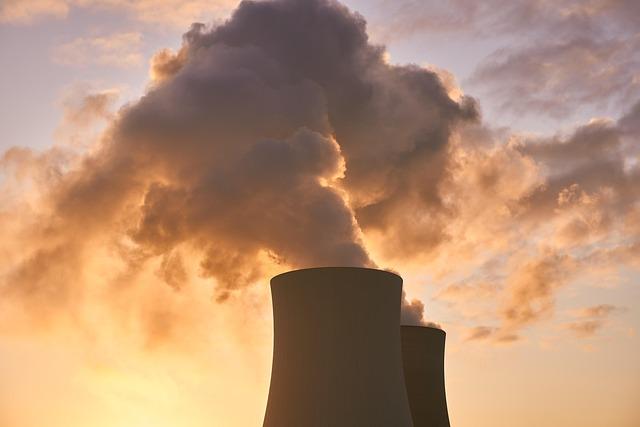
In a significant move towards revitalizing its energy landscape, Japan is set to restart the Kashiwazaki-Kariwa nuclear power plant, one of the world’s largest facilities of its kind. As the nation grapples with rising energy costs and the pressing need for stable, sustainable energy sources, government officials and industry leaders assert that the resumption of operations at the plant could play a crucial role in meeting the country’s energy demands. The decision comes in the wake of Japan’s ongoing efforts to enhance energy security while addressing environmental concerns, as the country continues to navigate the delicate balance between energy production and safety in the aftermath of the Fukushima disaster. This article explores the implications of the planned restart, the public sentiment surrounding nuclear energy, and Japan’s broader energy strategy in the context of global energy dynamics.
Japan’s Strategic Decision to Restart Kashiwazaki-Kariwa Nuclear Plant Amid Energy Shortages
In response to ongoing energy shortages, Japan’s decision to reactivate the Kashiwazaki-Kariwa nuclear plant marks a pivotal shift in its energy policy. This facility, which has faced operational hurdles since the Fukushima disaster in 2011, is slated to contribute significantly to the country’s energy grid during a time of heightened global demand and fluctuating fuel prices. Concerns over energy security have prompted the government to reevaluate its previously stringent stance on nuclear energy, which has been a contentious issue among the public and policymakers alike.
The plant’s restart is expected to yield several benefits:
- Increased Energy Supply: The reactivation of this facility will inject a substantial amount of nuclear-generated electricity into the national grid.
- Reduction of Carbon Emissions: Utilizing nuclear power can help Japan achieve its climate goals by lowering dependence on fossil fuels.
- Job Creation: The operation of the nuclear plant is projected to create jobs in both the facility itself and the surrounding community.
| Plant Name | Location | Capacity (MW) | Status |
|---|---|---|---|
| Kashiwazaki-Kariwa | Niigata Prefecture | 7,965 | Planned Restart |
Safety Measures and Regulatory Frameworks in Place for Nuclear Energy Resurgence
The impending restart of the Kashiwazaki-Kariwa nuclear plant marks a significant pivot in Japan’s energy policy, shaped by both nuclear safety standards and rigorous regulatory frameworks. In the wake of past incidents, Japan has instituted a spectrum of safety measures that govern the operation of nuclear facilities. These include:
- Comprehensive Risk Assessments: Regular assessments to identify and mitigate potential risks associated with nuclear operations.
- Seismic Standards: Enhanced structural requirements to withstand earthquakes, a critical concern given Japan’s geological context.
- Emergency Preparedness Plans: Detailed emergency protocols ensuring prompt response to any nuclear incidents.
- Independent Regulatory Oversight: The Nuclear Regulation Authority (NRA) enforces stringent safety standards and conducts inspections to ensure compliance.
In conjunction with these measures, Japan is also reinforcing public confidence through transparent regulatory processes. Recent initiatives have highlighted:
| Regulatory Initiative | Description |
|---|---|
| Public Consultations | Engaging local communities in discussions about safety measures and plant operations. |
| Increased Reporting Requirements | Mandated disclosure of safety performance data to enhance transparency. |
| Long-term Waste Management Strategies | Developing sustainable solutions for nuclear waste disposal and management. |
Implications for Energy Policy and Environmental Sustainability in Post-Fukushima Japan
As Japan moves forward with plans to restart the Kashiwazaki-Kariwa nuclear plant, the implications for energy policy and environmental sustainability are profound. The decision reflects a shift in the energy landscape since the Fukushima disaster, driving a renewed emphasis on nuclear power as a viable alternative to fossil fuels. Key considerations for energy policy include:
- Energy Security: Reducing dependence on imported fossil fuels enhances national energy security.
- Carbon Emissions: Nuclear energy provides a low-carbon alternative, vital for meeting international climate commitments.
- Public Perception: Addressing public concerns regarding safety and environmental risks is critical for successful energy policy.
Moreover, the restart embodies a balancing act between pressing energy needs and environmental stewardship. The impact on sustainability will revolve around the management of nuclear waste, the implementation of stringent safety protocols, and the exploration of renewable energy sources. A strategic framework may include:
| Element | Proposed Action |
|---|---|
| Nuclear Waste Management | Develop advanced storage techniques to mitigate risks |
| Safety Oversight | Enhance regulatory frameworks to ensure plant safety |
| Renewable Integration | Invest in solar and wind alongside nuclear to diversify energy sources |
Insights and Conclusions
As Japan takes significant steps toward restarting the Kashiwazaki-Kariwa nuclear plant, the implications for the nation’s energy policy and economic landscape are profound. The decision, heralded by officials as a move toward enhancing energy security, comes amid growing concerns over global energy supply disruptions and domestic energy demands. Stakeholders from various sectors will closely monitor the plant’s operations as Japan navigates its complex relationship with nuclear energy post-Fukushima. With this restart, Japan is poised not only to address its energy challenges but also to reframe its commitment to sustainable practices. The coming months will likely reveal the broader effects of this pivotal decision, shaping the discourse on energy independence and the future of nuclear power in the region. As developments unfold, the global community will watch keenly to see how this familiar yet fraught path will impact Japan’s energy trajectory and its response to climate imperatives.