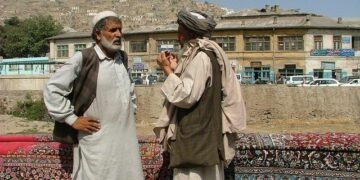
Instability in Afghanistan: A Deepening Crisis Amidst Global Tensions
In the wake of the Taliban’s takeover in August 2021, Afghanistan has grappled with a complex landscape of instability that poses significant challenges not only for its citizens but also for regional and global security. The Council on Foreign Relations’ Global Conflict Tracker highlights the multifaceted dimensions of this crisis, which include rampant humanitarian needs, the resurgence of militant groups, and the ongoing geopolitical implications of foreign involvement. As Afghanistan stands at a precarious crossroads, understanding the intricate layers of its conflict is crucial for policymakers and humanitarian organizations alike, who are tasked with navigating a path towards stability amidst chaos. This article delves into the current state of instability in Afghanistan, examining the root causes, the roles of international stakeholders, and the implications for both the Afghan people and the wider world.
Instability in Afghanistan’s Governance and Its Implications for Regional Security
Afghanistan’s governance has been plagued by ongoing instability, a situation exacerbated by the Taliban’s return to power in August 2021. As the new regime struggles to establish legitimacy and control, governance remains fragmented, with numerous factions vying for power. This internal discord has led to significant challenges in implementing effective policies, resulting in rampant corruption, deteriorating public services, and widespread human rights abuses. International recognition of the Taliban government remains elusive, hindering access to vital humanitarian aid and financial support, which further destabilizes the nation. The lack of a unified government raises critical questions about the lasting peace and development of Afghanistan.
This precarious situation has ripple effects across neighboring countries, increasing the threat of extremism and regional instability. The revival of extremist groups such as ISIS-Khorasan presents a direct challenge not only to Afghan citizens but also to regional powers, creating a volatile security landscape. Key implications for regional security include:
- Heightened terrorism threats that could spill across borders, affecting Central and South Asia.
- The potential for refugee crises as Afghans flee instability, straining resources in neighboring countries.
- Increased geopolitical tensions as regional powers, including Pakistan, Iran, and China, vie for influence in a volatile Afghanistan.
| Recent Developments | Regional Impact |
|---|---|
| Resurgence of ISIS-K | Increased terrorism risk in Central Asia |
| Humanitarian crisis | Potential refugee waves into neighboring states |
| Power struggles among factions | Destabilization of regional alliances |
The Humanitarian Crisis and Displacement Challenges Amid Ongoing Conflict
The ongoing conflict in Afghanistan has precipitated one of the most severe humanitarian crises in recent history. Millions of Afghans find themselves in desperate need of assistance, struggling against the backdrop of escalating violence, economic instability, and political uncertainty. Key factors contributing to the crisis include:
- Internally Displaced Persons (IDPs): Over 3 million Afghans have been forcibly displaced within their own country due to conflict.
- Limited Access to Basic Services: Healthcare, education, and infrastructure have deteriorated significantly, leaving vulnerable populations without essential support.
- Food Insecurity: Approximately 20 million people are facing acute food shortages, exacerbated by climate change and economic collapse.
The challenges posed by this humanitarian crisis are exacerbated by the international community’s response, which remains fragmented and often insufficient. Aid organizations struggle to provide aid amid security concerns and bureaucratic hurdles. Below are some recent data points highlighting the scale of the crisis:
| Category | Statistics |
|---|---|
| People in Need of Humanitarian Assistance | 24.4 million |
| Children at Risk of Malnutrition | 3.2 million |
| IDPs as of 2023 | 3.5 million |
Strategies for International Engagement and Sustainable Peacebuilding in Afghanistan
In light of the ongoing instability, a multifaceted approach is essential for fostering international engagement and advancing sustainable peacebuilding efforts in Afghanistan. To navigate this complex landscape, stakeholders must prioritize the following strategies:
- Diplomatic Initiatives: Establish continuous dialogue with all parties involved, including regional powers, to create a unified framework for peace. This could include multilateral talks facilitated by trusted international organizations.
- Inclusive Governance: Encourage the inclusion of various ethnic and political groups in the governance process, ensuring representation and shared decision-making to foster trust among communities.
- Humanitarian Aid and Development: Implement comprehensive aid programs focusing on education, health care, and infrastructure development to address immediate needs while laying the groundwork for long-term stability.
- Capacity Building: Invest in local leadership and institutional capacity development to empower Afghan communities in managing their own affairs, thereby reducing dependency on external actors.
It is equally crucial to foster collaboration among international stakeholders through innovative frameworks that harness the strengths of different actors. Key partnerships should focus on:
| Partnership Type | Objective |
|---|---|
| NGO Collaboration | Deliver targeted humanitarian assistance while ensuring local insights shape programs. |
| Regional Alliances | Enhance regional stability by sharing intelligence and resources among neighboring countries. |
| Private Sector Engagement | Stimulate economic development through investment in sustainable projects that create jobs. |
Such partnerships can create a synergistic effect, leverages resources more effectively, and facilitate a collaborative environment that is conducive to sustainable peacebuilding in Afghanistan.
Key Takeaways
In conclusion, the enduring instability in Afghanistan continues to pose significant challenges not only for the Afghan people but also for regional and global security. The complexities of political power struggles, militant resurgence, and humanitarian crises underscore the need for a comprehensive international response that seeks to address the root causes of conflict. As the situation evolves, the Global Conflict Tracker by the Council on Foreign Relations remains a vital resource for understanding the dynamics at play in Afghanistan and the broader implications for global peace. Continued attention and humanitarian support are essential to pave the way for lasting stability in this historically tumultuous region. As we monitor these developments, the international community must remain vigilant and committed to fostering dialogue and finding pathways toward reconciliation and peace.