

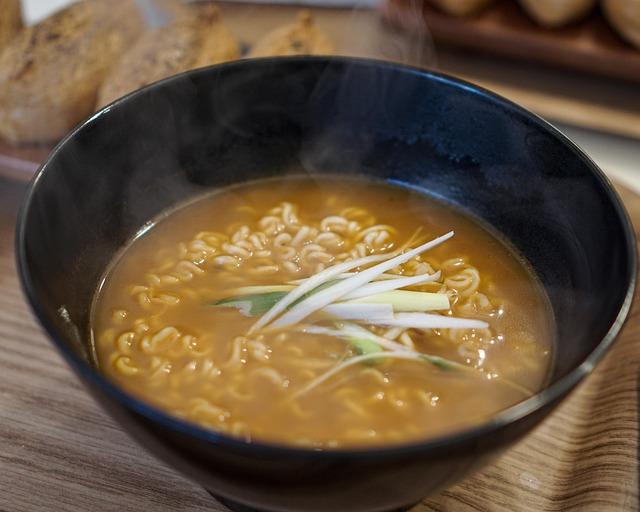
In the vibrant culinary landscape of China, Ningbo cuisine stands out as a unique tapestry woven from tastes that evoke both nostalgia and curiosity. Renowned for its distinct flavor profile, Ningbo dishes are characterized by three primary tastes-umami, saltiness, and a distinct pungency that locals proudly embrace as “stinky.” As globalization and modern culinary trends reshape dining experiences, the rich traditions of Ningbo are gaining attention both within China and abroad. This article delves into how these defining flavors not only reflect the region’s historical ties to the sea and agriculture but also highlight the resilient spirit of a community that remains deeply rooted in its culinary heritage. With a growing fascination for authentic and diverse flavors, Ningbo cuisine invites food lovers to explore the bold symphony of tastes that define this coastal city.
Exploring the Richness of Umami in Ningbo’s Culinary Heritage
Ningbo’s culinary landscape is a mesmerizing tapestry woven from the bold threads of umami, a flavor profile that has captivated taste buds across generations. This coastal city stands as a testament to the profound impact of regional ingredients and cooking techniques that contribute to its distinctive taste. Notably, fermented foods play a pivotal role in enhancing umami: Ningbo’s traditional fermented tofu and pickled vegetables offer a depth of flavor that transcends mere sustenance, creating dishes that resonate with the heart and history of the region. The use of locally sourced seafood, such as dried shrimp and anchovies, further augments this savory essence, making each meal not just an act of nourishment, but a rich cultural experience as well.
The integration of umami is not only seen in individual dishes but is a unifying thread across the gastronomic rituals of Ningbo. Here, flavors are expertly balanced to evoke a sense of harmony, drawing on a variety of cooking techniques that include stewing, steaming, and charcoal grilling. Chefs often create combinations like steamed fish seasoned with soy sauce and a sprinkle of ginger, producing a complex profile that highlights the savory nuances of umami while retaining the dish’s original essence. This multifaceted approach is what makes Ningbo cuisine both remarkable and reflective of the city’s cultural lineage, where every flavor tells a story and every meal is a celebration of history and community.
Salty Sensations: The Heartbeat of Ningbo’s Traditional Dishes
Ningbo cuisine is a vivid illustration of how salt can elevate dishes, infusing them with robust flavors that resonate with the region’s maritime heritage. Traditionally, the use of salt and fermented ingredients not only preserves food but also enhances the umami profile that defines this city’s culinary identity. Signature dishes like Salted Fish and Seafood Stews showcase how savoriness is intricately woven into daily meals, reflecting a profound understanding of balancing taste and nutrition. Highlights include:
- Salted Pork: A staple in many households, often prepared with spices and served with rice.
- Sauced Anchovies: A favorite side dish, these tiny fish are brimming with flavor and umami.
- Pickled Vegetables: A common accompaniment, offering a crunchy contrast to rich dishes.
The heartbeat of Ningbo’s traditional dishes can also be found in the meticulous use of local sea salts, which are prized for their purity and mineral content. Restaurants often take pride in preparing dishes that are not just about seasoning but also about celebrating regional ingredients. Many chefs in Ningbo adopt age-old techniques, emphasizing sustainable practices that respect both the environment and local fishing communities. Here are some remarkable highlights:
| Dish | Key Ingredient | Description |
|---|---|---|
| Salt-Baked Chicken | Rock Salt | A savory dish utilizing a crust of rock salt, enhancing the chicken’s moisture. |
| Fermented Tofu | Tofu | This local delicacy is known for its pungent aroma and is paired with rice. |
| Salty Fish Stew | Local Fish | An essential winter dish that combines salty fish with fresh vegetables. |
Stinky Delights: Understanding the Unique Flavors of Fermentation in Ningbo Cuisine
Ningbo cuisine is renowned for its distinctive fermentation techniques, which create an array of unique and robust flavors. At the heart of this culinary art are several key fermented ingredients that contribute to the region’s identity. Notably, the use of fermented tofu, pickled vegetables, and fish sauce elevates dishes with a tantalizing depth. These elements provide a layer of umami that challenges the palate, offering a flavor experience that is both complex and aromatic. The stinky charm of these ingredients often surprises first-time tasters, reflecting the traditional methods passed down through generations that celebrate fermentation as an essential aspect of culinary heritage.
Understanding the delicate balance of flavors in Ningbo cuisine reveals the intricate relationship between fermentation and local identity. The process unlocks natural umami and salty depth while embracing the sometimes-overlooked stinky notes that add character. Each ingredient undergoes careful fermentation-often in small batches-ensuring that flavor development is honed to perfection. The following table highlights some popular fermented ingredients and their roles in traditional Ningbo dishes:
| Ingredient | Flavor Profile | Common Uses |
|---|---|---|
| Fermented Tofu | Umami, Salty | Stir-fries, Marinades |
| Pickled Mustard Greens | Tangy, Salty | Hot pots, Rice dishes |
| Ningbo Fish Sauce | Umami, Stinky | Soups, Dips |
To Wrap It Up
In conclusion, Ningbo cuisine stands as a testament to the rich culinary heritage of China, where the harmonious interplay of umami, saltiness, and distinctive aromas come together to create an extraordinary dining experience. As chefs and food enthusiasts continue to explore the depths of these flavors, the essence of Ningbo’s gastronomy not only preserves tradition but also invites innovation. With a growing appreciation for regional delicacies, Ningbo’s unique culinary identity is poised to captivate palates far beyond its coastal borders. As this vibrant food culture gains recognition on the global stage, it serves as a reminder of the diverse tapestry that makes up China’s vast culinary landscape, inviting food lovers everywhere to indulge in the flavorful journey that Ningbo has to offer.














Unveiling Shenyang’s Dazzling Diamond-Like Landmark in Northeast China – Episode 2