Khartoum Streets Bear Deep Scars as Sudan War Enters Fourth Year
As the war in Sudan drags into its fourth year, the streets of Khartoum tell a haunting tale of destruction and despair. Once a bustling hub of culture and commerce, the capital is now characterized by shattered buildings, empty shops, and displaced families. The protracted conflict between rival military factions has left deep scars on the urban landscape, as well as on the hearts of its residents. As humanitarian crises escalate and a fragile peace remains elusive, the resilience of the Khartoum populace is tested like never before. This article delves into the current state of the city, the impact on its citizens, and the wider implications of a war that has drawn international attention.
Khartoum’s Urban Landscape: The Visible Aftermath of Conflict and Displacement
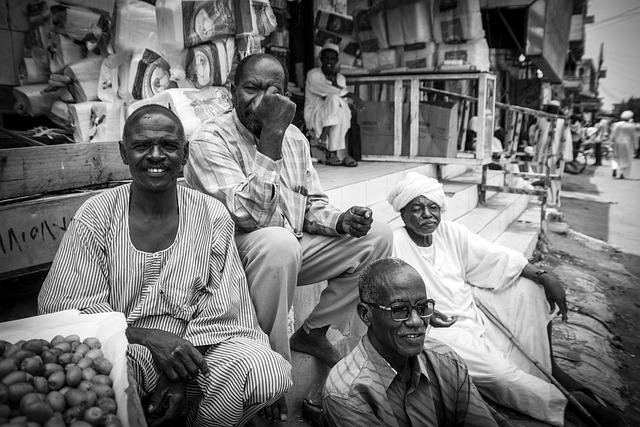
In the heart of Khartoum, the once vibrant streets now echo a haunting silence, marked by empty lots and crumbling buildings. This shifting urban landscape reveals the toll of years marked by conflict and displacement, where the daily lives of residents have been upended. Neighborhoods that once thrived with commerce and community gatherings are now ghosts of their former selves, as families have been uprooted and local businesses shuttered. The absence of livelihood is palpable, as shattered storefronts and the overgrown remnants of casual marketplaces serve as stark reminders of an ongoing humanitarian crisis.
The visible remnants of destruction tell a powerful story of loss and resilience. Charred walls and debris-strewn avenues reflect not just physical damage but also the deep emotional scars borne by the populace. In this setting, essential services have become a luxury, with many residents now reliant on makeshift solutions. Reports indicate that the city is increasingly defined by:
- Internal Displacement: Hundreds of thousands have fled their homes for safer quarters.
- Infrastructural Decay: Schools and hospitals struggle to remain functional amidst the chaos.
- Food Insecurity: Increased reliance on aid has replaced regular food supplies.
A table below illustrates the key challenges faced by Khartoum’s residents in their daily lives:
| Challenge | Impact on Residents |
|---|---|
| Access to Clean Water | Limited availability leads to health crises. |
| Shelter | Many families live in overcrowded or unsafe conditions. |
| Healthcare | Services remain critically under-resourced. |
| Employment | Skyrocketing unemployment exacerbates poverty levels. |
Understanding the Human Cost of War: Stories from the Streets of Khartoum
The cold and unforgiving reality of conflict is palpable along the once-bustling thoroughfares of Khartoum, where the echoes of everyday life have been replaced by the sirens of ambulances and the rhythmic sounds of gunfire. Amidst the wreckage and despair, the human stories unfold-each one a testament to resilience in the face of overwhelming odds. Residents recount harrowing experiences of fleeing their homes, often leaving behind not only their possessions but also the very essence of their lives. Children, now witnesses to the brutality of war, play in ruins, their laughter interspersed with the fears of the adults who strive to protect them.
As families grapple with severe shortages of food and medical supplies, local initiatives have emerged, supported by communities coming together to share what little they have. Volunteers are distributing essential goods, while makeshift shelters have sprung up to house the displaced. The fabric of community life, though frayed, remains intact as neighbors look after one another. To understand the depth of suffering, one must listen to the voices of Khartoum:
- Samira, 35: “I have not seen my brother since the conflict began; every day is a struggle to find food.”
- Ahmed, 12: “I want to go back to school, but the schools are closed, and I fear the sounds outside.”
- Fatima, 50: “We have lost so much, but we will not lose hope.”
Paths to Recovery: Strategies for Rebuilding Sudan’s Capital Amid Ongoing Conflict
The future of Khartoum hinges on a multifaceted recovery approach that addresses immediate humanitarian needs while setting the stage for long-term rehabilitation. International collaboration is essential to mobilize resources and expertise to aid local communities. Strategies should encompass:
- Humanitarian Assistance: Immediate aid distribution to address food and medical shortages.
- Infrastructure Rehabilitation: Restoring essential services like water, electricity, and healthcare facilities damaged during the conflict.
- Economic Development Initiatives: Creating job training programs and support for local businesses to rebuild the economy.
- Community Engagement: Involving local leaders and residents in planning efforts to ensure that recovery meets the specific needs of those affected.
Furthermore, leveraging technology can play a critical role in monitoring recovery efforts and fostering transparency in the allocation of resources. Digital platforms can facilitate communication among various stakeholders and provide real-time updates on progress. Local governance structures must also be reinforced to ensure that recovery efforts are sustainable and inclusive. Key components to consider include:
- Building Trust: Establishing channels for community feedback and participation in decision-making.
- Strengthening Local Leadership: Supporting grassroots organizations that have a deep understanding of the community’s dynamics.
- Promoting Social Cohesion: Initiatives that bring together diverse groups to promote peace and reconciliation.
- Environmental Restoration: Addressing the ecological impacts of war through reforestation and sustainable urban planning.
In Retrospect
As Sudan enters the fourth year of a devastating conflict, the streets of Khartoum stand as somber testaments to the toll of war. The once-vibrant capital, now marked by deep scars-both physical and emotional-reflects the plight of its people who continue to endure unimaginable hardships in their daily lives. Humanitarian efforts struggle against the backdrop of ongoing violence and instability, highlighting the urgent need for lasting peace and reconciliation. As the international community watches closely, the resilience of the Sudanese people remains a beacon of hope amidst the shadows of despair, underscoring the necessity for immediate support and intervention. The future of Sudan hinges not only on the cessation of hostilities but also on a committed effort to rebuild a nation shattered by conflict.