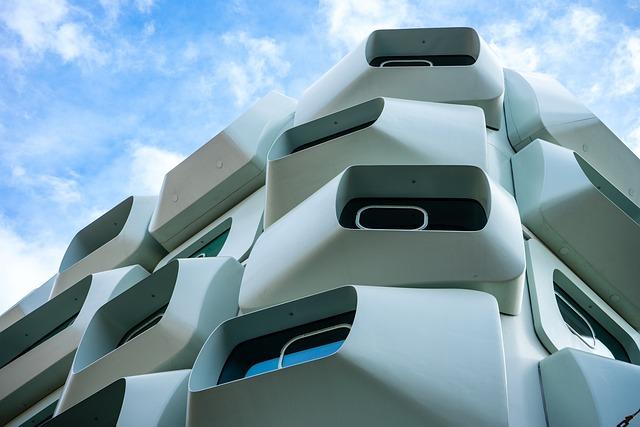
In a bold move that blends innovative architecture with the natural beauty of its surroundings, Zaha Hadid Architects has unveiled plans for a striking cultural district along the picturesque waterfront of Hangzhou, China. This ambitious project, designed to harmonize with the flowing landscape, aims to redefine the relationship between urban development and environmental aesthetics. Set against the backdrop of the city’s rich history and vibrant culture, the new district promises to be a focal point for both locals and tourists, featuring a series of curvilinear structures that echo the dynamic contours of the water’s edge. As cities worldwide seek to balance modernity with sustainability, Hangzhou’s waterfront transformation stands as a testament to the visionary approach of Zaha Hadid Architects, known for pushing the boundaries of contemporary design.
Zaha Hadid Architects Unveils Innovative Curvilinear Structures for Hangzhou’s Cultural District
Exploring the Sustainable Design Features of Hangzhou’s Waterfront Project
Hangzhou’s waterfront project, masterfully designed by Zaha Hadid Architects, seamlessly blends innovative architecture with sustainable practices. The design emphasizes natural water management strategies, leveraging the site’s proximity to the Qiantang River. By incorporating features like bio-swales and permeable surfaces, the project effectively manages stormwater runoff and promotes groundwater recharge. The integration of native plant species not only enhances biodiversity but also reduces maintenance requirements and irrigation needs. Additionally, the architectural forms are intentionally curved to minimize wind resistance and optimize airflow, contributing to a cooler microclimate in the bustling district.
Moreover, the project champions renewable energy solutions, incorporating solar panels and wind turbines into its infrastructure. These initiatives significantly reduce the carbon footprint of the cultural district. The use of sustainable materials is another cornerstone of the design, with a focus on locally sourced, recycled, and low-emission products, which reflect the region’s rich cultural heritage while promoting environmental stewardship. A comprehensive transportation strategy will connect the district to surrounding areas through pedestrian-friendly pathways and efficient public transit options, encouraging visitors to explore the waterfront sustainably. This ambitious project not only sets a precedent for future developments but also exemplifies a commitment to harmonizing urban growth with ecological integrity.
Enhancing Community Engagement Through Zaha Hadid’s Vision for Hangzhou’s Artistic Landscape
In a remarkable fusion of architecture and public art, Zaha Hadid Architects has envisioned a dynamic cultural district along the Hangzhou waterfront that promises to transform community engagement. The curvilinear design not only enhances the aesthetic appeal of the area but also aims to create an interactive landscape that fosters social cohesion among residents and visitors alike. With a focus on accessibility and inclusivity, the project incorporates elements such as:
- Green Spaces: Expansive parks and gardens encourage leisurely exploration.
- Public Art Installations: Sculptures and interactive displays invite participation and reflection.
- Event Spaces: Versatile venues for performances and gatherings enhance cultural exchange.
By integrating these features, the design reflects a commitment to nurturing a vibrant community identity. The fluid architecture not only complements the natural surroundings but also serves as a catalyst for cultural dialogues, providing a platform for local artists and performers to showcase their talents. This innovative approach to urban planning emphasizes the importance of creating spaces that are not only visually striking but also serve as a vital part of the social fabric of Hangzhou.
The Conclusion
In conclusion, Zaha Hadid Architects’ ambitious design for the Hangzhou waterfront cultural district exemplifies the firm’s signature fluidity and innovative architectural approach. By seamlessly integrating nature with cutting-edge design, the project not only enhances the city’s landscape but also aims to foster community engagement and cultural interaction. As construction progresses, the Hangzhou cultural district stands to become a landmark destination that celebrates the interplay of art, architecture, and the environment. With its bold vision, Zaha Hadid Architects continues to redefine the boundaries of modern architecture, leaving a lasting impact on urban development globally. As we look forward to the opening of this transformative space, the anticipation builds for what promises to be a dynamic addition to Hangzhou’s rich cultural tapestry.