Tragedy Unfolds in Kabul as Rescue Crews Unearth Victims of Airstrike
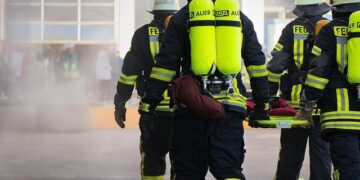
Kabul, Afghanistan – In the aftermath of a devastating airstrike that destroyed a local hospital, rescue crews are working tirelessly to recover the bodies of victims buried under the rubble. The strike, which has been attributed to military operations linked to Pakistan, has left the community in shock and mourning. Eyewitness accounts describe scenes of chaos and despair as families search for loved ones amid the debris. As humanitarian concerns mount, international observers are urging accountability and investigations into the incident, which has raised questions about the complexities of regional conflict and the protection of civilian sites. The airstrike serves as a painful reminder of the ongoing violence affecting Afghanistan, exacerbated by geopolitical tensions that threaten to further destabilize the region.
Rescue Efforts Uncover Tragic Loss as Kabul Hospital Recovery Continues
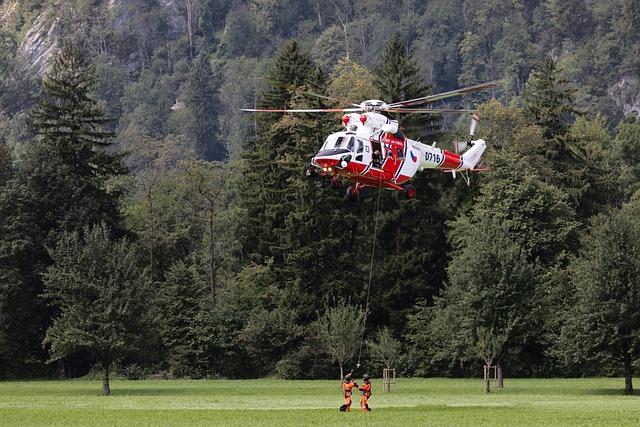
As recovery operations progress at the bombed Kabul hospital, rescue crews have faced the harrowing task of unearthing the remains of victims trapped beneath the rubble. Eyewitness accounts highlight the chaos and fear that enveloped the area during the airstrike, fostering an atmosphere of despair among families desperate for information about their loved ones. Reports indicate that more than 50 individuals were confirmed dead, with many others still missing, creating a complex and heartbreaking search effort as community members come together to assist in the grim process.
The airstrike, reportedly attributed to tensions with Pakistan, has ignited widespread outcry and condemnation. Concerns are bubbling to the surface regarding the potential for increased violence and instability in the region. In the aftermath of such a tragedy, local authorities and human rights organizations are emphasizing the need for accountability and a thorough investigation. The following points summarize the ongoing challenges faced in the recovery efforts:
- Identification of victims – Many remain unaccounted for.
- Support for families – Psychological and financial aid is urgently required.
- International response – Calls for intervention and support are growing louder.
Analyzing the Regional Implications of the Kabul Airstrike Incident
The recent airstrike in Kabul, targeting a hospital and resulting in tragic civilian casualties, has raised significant questions about the strategic calculus underlying such military actions. Regional implications are profound, with various stakeholders responding in ways that could further exacerbate existing tensions. Analysts point to the potential for increased instability in Afghanistan, as local populations may feel alienated by perceived foreign interventions. Additionally, the incident could strain diplomatic relations, particularly between Afghanistan and Pakistan, as accusations of cross-border military engagements gain momentum. The airstrike may provoke retaliatory sentiments among Afghan factions against not just Pakistan but also other nations perceived to be complicit.
Furthermore, international responses to the incident could shape the geopolitical landscape of South Asia. Key considerations include:
- Impact on Pakistan-Afghanistan relations
- Heightened concerns of humanitarian crises in Afghanistan
- Reactions from global bodies like the UN
- Potential shifts in foreign aid and military support to the region
This incident underscores the fragility of the region and the delicate balance required in addressing the multifaceted conflict. The airstrike serves not only as a tragic event but also as a litmus test for regional stability and international engagement in Afghanistan, foreshadowing further complexities in peacebuilding efforts.
Recommendations for Enhanced Humanitarian Protection in Conflict Zones
In the face of escalating violence in conflict zones, it is imperative to strengthen the mechanisms that protect civilians and humanitarian workers. International actors must prioritize the establishment of safer corridors for aid delivery, ensuring that humanitarian efforts can operate without interference. Furthermore, adopting advanced monitoring technologies can enhance the tracking of military activities and help delineate safe zones, reducing risks to non-combatants. Incorporating local knowledge and expertise into planning and execution can also foster greater protection measures tailored to specific community needs.
Collaboration between governmental and non-governmental organizations is vital for creating a cohesive protection strategy. The establishment of real-time communication networks among agencies can facilitate quick response actions in emergencies and help share critical information. Additionally, conducting regular assessments of the situation on the ground will ensure that protection strategies remain relevant. Governments should also reinforce accountability mechanisms, making it clear that violations against humanitarian law will not go unpunished, thereby deterring potential aggressors from targeting aid workers and civilians.
In Summary
In the wake of the devastating airstrike on a Kabul hospital, the grim task of recovery continues as rescue crews sift through the debris, searching for victims who lost their lives in a tragic incident that has drawn widespread condemnation. The airstrike, attributed to cross-border tensions and blamed on Pakistan, has reignited discussions about the precarious security situation in Afghanistan and the impact on civilian populations caught in the crossfire. As the nation mourns its fallen, the urgency for accountability and the protection of innocent lives remains paramount. As investigations unfold, the international community watches closely, urging for restraint and a renewed commitment to peace in a region long plagued by conflict. The stories of those tragically lost, along with the resilience of survivors, will echo in the hearts of many as Afghanistan navigates this dark chapter in its history.