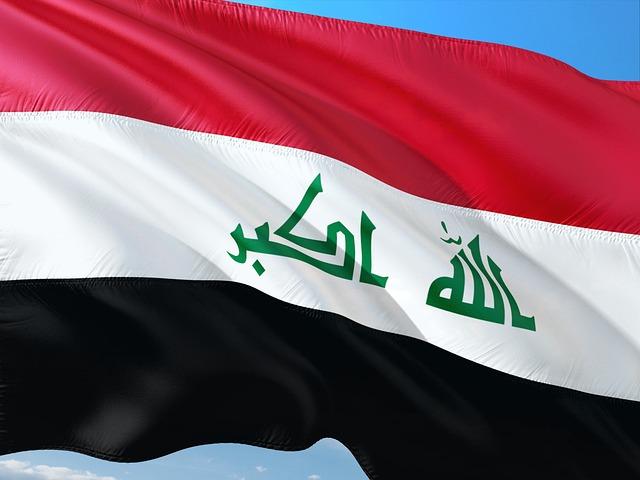
In a significant move that underscores the delicate balance of international relations and economic stability, the United States has halted the flow of US dollars to the Iraqi central bank. This decision comes in the wake of ongoing political turmoil in Iraq, as Washington awaits the establishment of a government that it deems “acceptable.” The financial cutback could have far-reaching implications for Iraq’s economy, which heavily relies on dollar transactions for trade and financial operations. As Iraqi leaders scramble to form a unified administration amid widespread unrest and calls for reform, this latest development raises urgent questions about the future of US-Iraq relations and the potential impact on the Iraqi populace.
Washington’s Decision to Restrict Dollar Flow to Iraqi Central Bank and Its Ripple Effects
The recent decision by Washington to halt the flow of U.S. dollars to the Iraqi Central Bank signifies a critical juncture in U.S.-Iraq relations. The U.S. has expressed concerns over the political situation in Iraq, insisting that any dollar influx remains contingent upon the formation of a government deemed “acceptable.” This maneuver is not simply a financial adjustment; it is a strategic attempt to exert pressure on Iraqi leaders to align with U.S. interests. Proponents argue that this restriction aims to stabilize Iraq’s economy by curbing illicit activities and strengthening the legitimacy of governance. However, the potential ramifications could exacerbate existing economic hardships faced by ordinary Iraqis.
As various factions within Iraq grapple with the shifting political landscape, consequences of this dollar restriction ripple through the country’s economy. Observers note that the lack of access to U.S. currency could lead to significant inflationary pressures and provoke instability in an already fragile market. Key effects anticipated from this halt include:
- Increased inflation: Limited dollar access could drive up prices for essential goods and services.
- Heightened political tensions: Political factions may face backlash from the populace as the economy suffers.
- A shift in currency preference: Businesses may start relying on alternative currencies, complicating trade dynamics.
Furthermore, it remains unclear how long these restrictions will last or what the criteria for an “acceptable” government will entail. Speculation around the swift formation of a unifying coalition could intensify, as leaders would need to demonstrate their commitment to both national stability and U.S. policy objectives. The upcoming weeks will be crucial in determining whether Iraq can navigate these economic challenges while maintaining its sovereignty amidst external pressures.
The Urgency for Political Stability in Iraq: Navigating U.S. Conditions for Economic Support
The recent decision by Washington to halt the flow of U.S. dollars to the Iraqi central bank has sent shockwaves through the country’s economic landscape, raising critical questions about effective governance and regional stability. The Biden administration’s demand for an ‘acceptable’ government signals a stringent approach to U.S. economic support, which has traditionally been pivotal in stabilizing Iraq since the fall of Saddam Hussein. This move emphasizes the growing concern that without a politically cohesive and accountable leadership in Baghdad, Iraq may face a deepening economic crisis, further exacerbating social unrest and the risk of violence across the nation.
Economic stability hinges not only on immediate financial assistance but also on long-term structural reforms that rebuild trust in governmental institutions. Stakeholders are urging the Iraqi leadership to address several key areas, including:
- Anti-corruption measures: Transparency initiatives must be prioritized to restore public confidence.
- Inclusive governance: Engaging diverse political groups will help ensure a broad-based consensus.
- Public services revitalization: Investment in healthcare, education, and infrastructure is crucial for sustainable development.
As the Iraqi economy grapples with high unemployment rates and inflation, the perpetuation of a fragmented political landscape may lead to deteriorating conditions for the average citizen. Without swift and decisive action to form a government that meets U.S. expectations, the potential for economic isolation looms ever larger, raising fears of a profound crisis that could engulf the region.
Strategies for Iraq to Rebuild Economic Confidence and Foster International Relations
In light of the recent decision by Washington to limit the flow of US dollars to the Iraqi central bank, it is imperative for Iraq to implement comprehensive strategies that aim to boost economic confidence among its citizens and international investors. Key measures should include enhancing fiscal transparency and governance to instill trust, while actively engaging with global financial institutions to secure funding options. Establishing a streamlined process for private-sector investment can also accelerate economic growth and alleviate dependency on foreign aid. Here are several strategic initiatives that could be pivotal:
- Reform Economic Policies: Simplify regulations to foster business development, ensuring a pro-business environment.
- Strengthen International Partnerships: Build strategic alliances with neighboring countries and global organizations.
- Promote Transparency: Maintain open communication regarding government operations to build trust with the populace and investors.
- Encourage Local Enterprises: Enhance support for startups and SMEs to diversify the economy.
Additionally, the establishment of a robust mechanism to monitor and report economic progress will be crucial for maintaining investor confidence. The Iraqi government should consider forming advisory committees that include key stakeholders from various sectors to consistently evaluate and adapt policies that affect economic stability. This collaborative approach can help in identifying challenges early on and crafting timely solutions. A clear communications strategy that outlines Iraq’s economic vision and goals can further reassure the international community, establishing a solid foundation for future foreign direct investment. A possible framework could include:
| Area of Focus | Priority Actions |
|---|---|
| Public Sector Reform | Implement accountability measures and streamline bureaucratic processes. |
| International Engagement | Organize investment forums to create networking opportunities. |
| Economic Diversification | Invest in key sectors such as agriculture and technology. |
To Wrap It Up
In conclusion, the recent decision by Washington to suspend the flow of U.S. dollars to the Iraqi central bank underscores a pivotal moment in Iraq’s political landscape. This move, aimed at pressing Iraqi leaders to establish a government deemed ‘acceptable’ by the United States, highlights the intricate interplay between foreign influence and domestic governance. As Iraq navigates its political challenges, the implications of this financial cut-off will likely resonate through its economy, potentially impacting everything from currency stability to vital imports. As the situation unfolds, stakeholders both within Iraq and the international community will be closely monitoring developments, hoping for a resolution that aligns with the aspirations of the Iraqi people while addressing the concerns of foreign partners. The coming weeks will be critical in shaping the path forward for Iraq’s governance and economic stability.