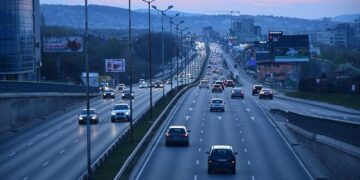
São Paulo: In a ‘Smart City’, No One Gets Left Behind
As urbanization accelerates across the globe, cities are increasingly adopting technology to enhance the quality of life for their residents. São Paulo, Brazil’s sprawling metropolis and economic powerhouse, is at the forefront of this movement, striving to transform itself into a model ‘smart city’. However, unlike many of its counterparts, São Paulo is prioritizing inclusivity as it harnesses innovation. In a nation where stark social inequalities persist, the city’s efforts, supported by the World Bank, aim to ensure that advancements in technology and infrastructure benefit all residents, rather than just a privileged few. This article explores how São Paulo is navigating the complexities of urban modernity by employing smart solutions that promote equity, access, and sustainability, ensuring that no one is left behind in its digital transformation.
Inclusive Urban Planning: Bridging the Digital Divide in São Paulo
São Paulo is undergoing a transformative journey towards becoming a ‘smart city’, where technology and sustainability intersect to create a more inclusive urban environment. However, the city faces a critical challenge: the digital divide that leaves many residents without access to the essential tools of the modern world. To combat this issue, local authorities are prioritizing initiatives aimed at integrating technology into the urban fabric, ensuring that no one is left behind. Key strategies include expanding free public Wi-Fi zones, promoting digital literacy programs, and establishing community centers equipped with necessary resources. By addressing these gaps, São Paulo aims to empower its residents and foster a more equitable society.
The potential impact of these initiatives can be seen in various sectors, particularly education and employment. Improved internet accessibility allows students from underserved communities to tap into online learning resources, leveling the academic playing field. Moreover, with enhanced digital skills, workers can access better job opportunities, participate in the gig economy, and improve their livelihoods. Local stakeholders are collaborating on innovative projects, such as mobile tech hubs and community workshops, which focus on developing skills tailored to the demands of the contemporary job market. The following table highlights some key initiatives aimed at bridging the digital divide in São Paulo:
| Initiative | Description | Target Audience |
|---|---|---|
| Public Wi-Fi Expansion | Creation of free Wi-Fi zones in public spaces | All residents |
| Digital Literacy Workshops | Hands-on training for essential digital skills | Students and unemployed adults |
| Community Tech Hubs | Equipped spaces for learning and collaboration | Local entrepreneurs and innovators |
Innovative Public Services: Enhancing Accessibility for All Citizens
São Paulo is at the forefront of transforming urban spaces into intelligent ecosystems that prioritize every citizen, including the most marginalized. Through the integration of advanced technologies, the city has utilized data-driven solutions to bridge the accessibility gap faced by various communities. Programs aimed at enhancing public transportation, ubiquitous Wi-Fi access, and digital platforms have significantly improved the quality of life for residents. Initiatives such as the “Mobile Citizen Project” are particularly noteworthy, providing real-time updates on transit schedules and routes tailored for individuals with disabilities and the elderly. This approach not only empowers citizens but also cultivates a culture of inclusivity.
Moreover, São Paulo’s innovative use of infrastructure is exemplified in their commitment to digital literacy. Workshops aimed at equipping residents with essential technology skills are being conducted in community centers across the city. Key areas of focus include:
- Digital Training: Courses designed to teach all age groups how to navigate smartphones and online platforms.
- Access Points: Establishing free public internet hubs in underserved neighborhoods to ensure connectivity for all.
- Mobile Apps: Developing user-friendly applications that offer information about city services and resources in multiple languages.
Through these initiatives, São Paulo is not just enhancing accessibility; it is actively investing in a future where technology serves everyone. A significant aspect of this endeavor is centralizing citizen feedback, fostering a democratic dialogue between the government and its populace, thus enabling continuous improvements and innovations.
Sustainable Solutions: Fostering Environmental Resilience in Smart City Initiatives
São Paulo is setting a benchmark for sustainable practices in smart city initiatives, focusing on environmental resilience while ensuring inclusivity. The city’s approach is encapsulated in the development of green spaces, which not only enhances urban biodiversity but also improves air quality and provides residents with a necessary respite from the bustling city life. Through the integration of smart technologies, such as sensors and automated irrigation systems, São Paulo is optimizing resource use in parks and green roofs, ultimately driving down maintenance costs and energy consumption.
In addition to bolstering green infrastructure, the city is leveraging renewable energy sources to power its public services. Key strategies include:
- Implementing solar panels across public buildings
- Encouraging the use of electric public transportation options
- Promoting waste management initiatives that support recycling and composting
| Initiative | Impact |
|---|---|
| Green Rooftops | Improved urban air quality |
| Solar Energy Implementation | Reduced carbon footprint |
| Electric Buses | Lowered greenhouse gas emissions |
Key Takeaways
As São Paulo continues to position itself as a leader in smart city initiatives, the narrative emerging from this vibrant metropolis is one of inclusivity and innovation. The World Bank’s exploration into the city’s strategies highlights an essential truth: technological advancement should not only foster efficiency and growth but must also prioritize the needs of all its residents. By implementing policies that ensure equitable access to technology and opportunities, São Paulo sets a precedent for urban centers worldwide. As cities around the globe grapple with the challenges of urbanization and inequality, the lessons learned from São Paulo serve as a compelling reminder that in the quest for progress, no one should be left behind. As the city moves forward, it will be crucial to monitor and assess the outcomes of these initiatives, ensuring that they translate into tangible benefits for every citizen and further solidify São Paulo’s role as a model for future urban development.