
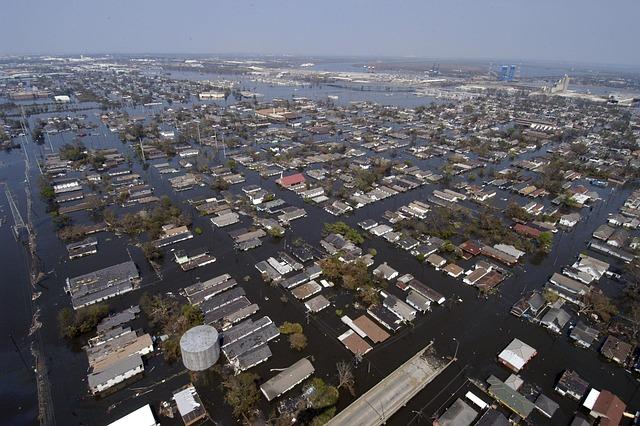

Inside Nigeria’s Housing Crisis: An Urgent Challenge for Millions
As Nigeria grapples with rapid urbanization and a burgeoning population, the nation’s housing crisis has reached alarming proportions. With over 17 million housing deficits and millions more living in substandard conditions, the struggle for adequate shelter is an everyday reality for a significant portion of the population. This crisis is exacerbated by economic instability, skyrocketing construction costs, and a lack of comprehensive government policies. In an exploration of the factors contributing to this urgent challenge, we dive into the stories of those affected, the systemic barriers to affordable housing, and the innovative solutions being proposed to tackle this pressing issue. As the country seeks to balance growth with livability, understanding the complexities of Nigeria’s housing landscape has never been more crucial.
Understanding the Causes of Nigeria’s Housing Shortage and Their Economic Implications
Nigeria faces a severe housing crisis driven by a confluence of factors that have profound economic implications for the nation. Among the primary causes are rapid urbanization, population growth, and inadequate infrastructure. Urban migration has spiked as people flock to cities in search of better job opportunities, thereby increasing demand for housing. However, the supply has not kept pace due to limited investment in construction, as many developers and investors are deterred by high costs and bureaucracy. Additionally, infrastructure challenges, including unreliable power and poor transportation networks, further hinder the development of new housing projects.
The economic repercussions of this housing shortage extend far beyond the residential sector. First, the socioeconomic divide widens; as formal housing remains out of reach for many, informal settlements proliferate, leading to urban sprawl and inadequate living conditions. Second, a lack of affordable housing stifles overall economic growth, as lower-income households redirect their financial resources toward exorbitant rents, limiting their ability to spend on other goods and services. Third, the housing deficit hampers job creation in the construction sector, where millions could benefit from employment opportunities. Ultimately, addressing the housing crisis requires coordinated policies that enhance investment and streamline processes, ensuring that the country meets the housing needs of its growing population while stimulating economic development.
Exploring the Impact of Urbanization on Housing Affordability and Access
As Nigeria continues to grapple with rapid urbanization, the consequences on housing affordability and accessibility have begun to unfold in stark and troubling ways. A significant surge in population density in urban centers like Lagos and Abuja has driven demand for housing upward, outpacing the current infrastructure and capacity to deliver affordable housing solutions. This has led to a pronounced divide, whereby low-to-middle-income families find themselves increasingly locked out of the formal housing market, relying instead on informal settlements that often lack basic services and security. The rising cost of land, compounded by economic instability and inflation, has exacerbated these challenges, leaving many families struggling to afford even the most basic housing options.
The factors contributing to this crisis are multifaceted, but key issues include speculative land practices, inadequate policy frameworks, and limited investment in social housing projects. With many prospective homeowners unable to secure reasonable financing options, the dream of owning a home seems increasingly out of reach. Moreover, the lack of affordable rental options creates further constraints, pushing households into overcrowded living situations. To illustrate this pressing issue, a breakdown of the cost of housing against average income reveals a stark disparity:
| Indicator | Lagos (USD) | Abuja (USD) | Average Monthly Income (USD) |
|---|---|---|---|
| Average Monthly Rent | 500 | 400 | 300 |
| Cost of Basic Utilities | 100 | 80 | N/A |
| Grocery Expenses | 200 | 180 | N/A |
This stark discrepancy underscores the urgent need for comprehensive housing policies that prioritize affordability, equitable development, and targeted interventions aimed at low-income populations. Without decisive action, the growing strain of urbanization on housing affordability will only intensify, leaving millions to navigate a precarious and inequitable living landscape.
Strategies for Sustainable Development to Address Nigeria’s Housing Challenges
Nigeria’s burgeoning population and rapid urbanization demand innovative approaches to tackle the pressing housing crisis. One key strategy involves enhancing public-private partnerships (PPPs) to mobilize resources for housing development. Engaging local entrepreneurs and construction firms can drive economic growth while addressing housing needs. Furthermore, implementing inclusive land policies that improve access to affordable land for both individuals and developers is crucial. Utilizing technology to streamline land registration processes can also reduce bureaucratic delays that often hamper housing projects.
Investment in sustainable and eco-friendly building practices is another pivotal element in addressing housing challenges. By promoting the use of local materials and renewable energy sources, developers can lower construction costs while minimizing environmental impacts. Programs that encourage community-led housing initiatives can empower residents to actively participate in solving their own housing issues. Additionally, providing incentives for green housing solutions, such as tax breaks and subsidies, can facilitate a more sustainable approach to urban development. To further underscore these efforts, the table below illustrates effective strategies paired with their potential impacts:
| Strategy | Potential Impact |
|---|---|
| Public-Private Partnerships | Increased investment and faster project completion |
| Inclusive Land Policies | Greater access to affordable housing |
| Sustainable Building Practices | Lower environmental footprint and reduced costs |
| Community-Led Initiatives | Enhanced local participation and ownership |
Final Thoughts
As Nigeria grapples with its escalating housing crisis, the stark reality underscores the urgent need for innovative solutions and collaborative efforts among government, private sector, and communities. With millions lacking access to safe and affordable housing, the implications for social stability, economic growth, and public health are profound. Addressing this multifaceted challenge requires not only a reassessment of policies but also an alignment of resources and strategies to meet the growing demand. As stakeholders convene to discuss potential pathways forward, the hope remains that Nigeria can turn the tide on its housing deficit, ensuring that one of Africa’s most populous nations does not just build homes, but also fosters secure and thriving communities for all its citizens.