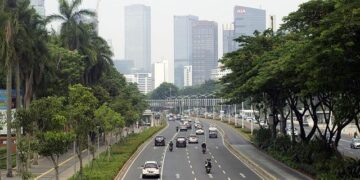
In a significant move aimed at addressing the nation’s growing energy needs, Indonesia is setting its sights on a substantial increase in the distribution of subsidized diesel, with plans to reach up to 19 million kiloliters by the year 2027. This ambitious initiative, highlighted in a recent report by the Jakarta Globe, underscores the government’s commitment to ensuring affordable fuel access for the country’s vast population and vital industries. As the government navigates the complexities of energy supply and demand, stakeholders are closely monitoring how this plan will impact inflation, economic stability, and environmental considerations in the archipelago nation. With rising global energy prices and local consumption on the uptick, Indonesia’s strategy to expand its subsidized diesel program could play a crucial role in shaping the country’s energy landscape in the coming years.
Indonesia’s Ambitious Plan for Subsidized Diesel and Its Economic Implications
In an ambitious stride towards bolstering its economy, Indonesia is setting its sights on producing up to 19 million kiloliters of subsidized diesel by 2027. This initiative is primarily aimed at cushioning the financial burden on consumers and ensuring energy accessibility for the transportation and agricultural sectors. By doing so, the Indonesian government hopes to stabilize fuel prices in a volatile global market while promoting local production over import dependency. This drastic increase in subsidized diesel production echoes the government’s commitment to energy security and economic resilience amidst fluctuating crude oil prices.
The implementation of this plan carries significant economic implications, particularly for industries reliant on diesel fuel. Stakeholders need to be mindful of the following aspects:
- Impact on Inflation: Subsidized fuel can mitigate inflationary pressures but may also strain government budgets.
- Investment in Infrastructure: The government may need to enhance refining capacities to meet the ambitious targets.
- Environmental Concerns: Increased diesel usage could lead to greater emissions unless coupled with greener initiatives.
As this plan unfolds, it will be crucial to monitor not only the fiscal implications for the government but also the broader impacts on overall economic growth and environmental sustainability. Policymakers and industry leaders alike will have to navigate this evolving landscape carefully to harness the potential benefits while addressing any challenges that arise.
Assessing the Environmental Impact of Expanded Diesel Subsidies in Indonesia
The Indonesian government’s plan to increase diesel subsidies to an astonishing 19 million kiloliters by 2027 has ignited a debate over its potential environmental repercussions. Critics argue that such a move could exacerbate the country’s already significant greenhouse gas emissions, given that diesel is a fossil fuel known for its harmful emissions. The implications for air quality and public health are also alarming, especially in densely populated urban areas where vehicle emissions pose a critical threat. The decision to expand subsidies raises questions about the government’s commitment to sustainable development versus the immediate economic benefits that such subsidies might provide to various sectors, including agriculture and transportation.
International environmental agreements and local environmental policies are at stake as Indonesia navigates its energy subsidy strategy. Stakeholders are calling for a comprehensive environmental impact assessment that considers factors such as:
- Air pollutants: The increase in nitrogen oxides and particulate matter.
- Land and ecosystem degradation: Damage to natural habitats from increased extraction and distribution activities.
- Climate change contribution: Evaluating the long-term implications of expanding fossil fuel reliance.
To provide clarity on the anticipated environmental impact, a proposed analysis framework could include:
| Factor | Current Impact | Projected Impact by 2027 |
|---|---|---|
| Greenhouse Gas Emissions | 180 million tons/year | +30% increase |
| Air Quality Index | Moderate in urban areas | Deterioration expected |
| Water Contamination Risk | Existing challenges | Likely to worsen |
Strategic Recommendations for Optimizing Fuel Subsidies in the Indonesian Economy
To effectively manage and optimize fuel subsidies within the Indonesian economy, policymakers should consider a multi-faceted approach. This could involve implementing a combination of tracking mechanisms and conditional subsidy policies to ensure that subsidies reach the intended beneficiaries. Key strategies include:
- Targeted Subsidy Distribution: Create a system that identifies the most vulnerable populations, ensuring that diesel subsidies are provided to those who truly depend on them for transportation and livelihood.
- Incorporating Technological Solutions: Leverage technology such as mobile applications and digital payment systems to monitor and manage subsidy allocations, reducing potential leakage and misuse.
- Promoting Alternative Energy Sources: Encourage the gradual shift towards more sustainable options through educational campaigns and financial incentives for businesses and households that adopt renewable energy solutions, decreasing reliance on subsidized diesel.
Moreover, a comprehensive review of the current subsidy framework could result in more efficient resource allocation. This analysis should focus on understanding consumption patterns and the impacts of subsidies on various economic sectors. Recommendations for consideration include:
| Recommendation | Expected Outcomes |
|---|---|
| Conduct Regular Impact Assessments | Informed policy adjustments and better alignment with economic goals |
| Phase Out Inefficient Subsidies | Increased fiscal space for healthcare and infrastructure investments |
| Enhance Public Awareness Campaigns | Greater acceptance and understanding of subsidy reforms |
In Summary
As Indonesia looks towards 2027, the ambitious target of providing up to 19 million kiloliters of subsidized diesel highlights the government’s commitment to supporting its economy and managing fuel accessibility for its population. This substantial allocation reflects a balancing act between economic growth, energy sustainability, and budgetary considerations. As policymakers navigate the complexities of fuel subsidies and environmental responsibilities, the outcomes of these decisions will undoubtedly shape the nation’s energy landscape for years to come. Stakeholders from various sectors will be watching closely to see how these plans unfold and the potential impacts on both consumers and the broader economy. The journey ahead promises to be pivotal as Indonesia seeks to ensure that its energy policies align with its development goals in a rapidly changing global market.