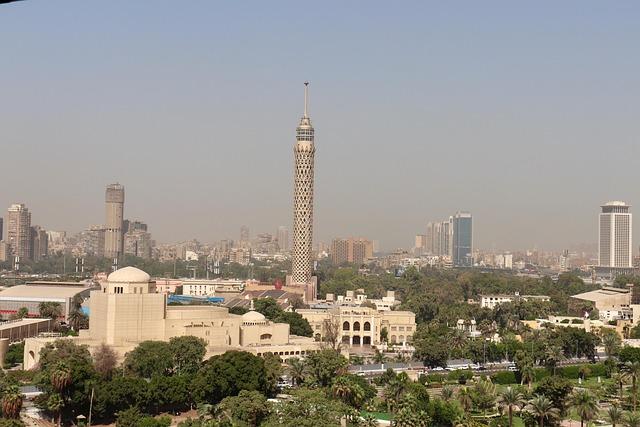
In recent years, Cairo has embarked on a transformative journey, with ambitious infrastructure projects reshaping the Egyptian megacity’s urban landscape. Among these initiatives, the introduction of the Cairo monorail stands out as a symbol of modernization and progress. Designed to alleviate the city’s chronic traffic issues and enhance public transportation, the monorail represents not just a new mode of travel but also a broader shift towards sustainable urban development. With the first line set to connect key districts and improve accessibility for millions, the monorail encapsulates the aspirations of a city grappling with the challenges of rapid urbanization. As Cairo positions itself for a future defined by innovation and connectivity, the monorail serves as a pivotal chapter in its evolving narrative.
Cairo’s Monorail Project: Revolutionizing Urban Mobility in a Growing Megacity
Cairo’s ambitious monorail initiative is redefining the landscape of urban transportation, promising to alleviate the congestion that has long plagued the bustling metropolis. This futuristic transit system, the first of its kind in Africa, is poised to serve as a vital artery connecting key neighborhoods to commercial centers. By providing a high-capacity, efficient mode of transport, the monorail aims to reduce travel times and increase accessibility for millions of residents. The project’s completion heralds a new chapter in the city’s evolution, making daily commutes smoother while bolstering economic opportunities in burgeoning areas.
Incorporating state-of-the-art technology, the monorail is designed to operate autonomously, boasting features that ensure safety and sustainability. Key highlights of the project include:
- Reduced Emissions: The electric-powered trains will significantly lower carbon emissions compared to conventional road transport.
- Enhanced Connectivity: Seamless integration with existing transit systems will facilitate easier transfers for commuters.
- Increased Ridership: Projected to attract millions of passengers annually, enhancing the overall public transport usage.
This transformation not only represents a crucial step towards modernizing transportation in Cairo but also aims to set a precedent for future infrastructure projects across the continent.
Infrastructure Innovations: The Role of the Monorail in Alleviating Traffic Congestion
The introduction of the monorail system in Cairo signifies a pivotal shift in the approach to urban transportation, as the Egyptian government seeks to modernize its infrastructure and tackle the persistent issue of traffic congestion. With a design that seamlessly integrates into the urban landscape, the monorail offers a reliable and efficient alternative to the traditional vehicular traffic that floods the streets of the megacity. It is projected to significantly reduce travel times and provide a much-needed respite to commuters who face daily gridlock, transforming their experience of mobility.
Moreover, the monorail is expected to serve as a catalyst for economic growth by enhancing connectivity between key districts and reducing the environmental impact of transportation. Key benefits of the new monorail system include:
- Speed: Faster transit times compared to road travel.
- Reduced emissions: Decreased reliance on fossil-fuel-powered vehicles.
- Accessibility: Improved access to under-served areas of the city.
With these advancements, the monorail not only meets the immediate needs of Cairo’s residents but also aligns with global trends towards sustainable urban development, marking a new era in public transport in Egypt.
Sustainability and Future Prospects: How Cairo’s Monorail Can Shape the City’s Development
Cairo’s monorail project represents a significant shift in urban transportation, promising to alleviate traffic congestion and reduce environmental impact across the megacity. As the first of its kind in Egypt, this modern transit solution is not only designed to enhance mobility but also to promote sustainability through reduced reliance on fossil fuels. The monorail is expected to operate on renewable energy sources, positioning it as a key component in the government’s efforts to combat climate change and improve air quality in densely populated neighborhoods.
As the new transportation system comes to life, it offers myriad benefits that extend beyond transit efficiency. Some of the potential impacts include:
- Economic Growth: Job creation during both construction and operational phases, fostering local businesses.
- Urban Development: Encouragement of mixed-use developments and revitalization of neglected areas.
- Environmental Benefits: Decrease in carbon emissions and improvement in local biodiversity as less reliance on cars reduces urban sprawl.
| Impact Area | Expected Outcome |
|---|---|
| Transportation | Enhanced connectivity across Cairo |
| Sustainability | Lower overall emissions |
| Economy | Boost in local employment |
Closing Remarks
As Cairo embarks on this monumental journey with its monorail system, the project not only signifies a leap toward modernity but also embodies the aspirations and resilience of its people. Amid the hustle and bustle of this ancient city, the monorail stands poised to alleviate traffic woes, enhance connectivity, and spur economic growth. As the first of its kind in the region, it reflects a broader vision of urban transformation that seeks to blend the historical richness of Cairo with the demands of a rapidly evolving future. While challenges remain, the successful launch of the monorail could redefine urban mobility in Cairo and set a precedent for other megacities in the Middle East and beyond. As this ambitious endeavor unfolds, the eyes of the world will be keenly watching, not just for its immediate impact, but for the lasting legacy it may leave on the landscape of Cairo and the lives of its inhabitants.