Jakarta’s Sinking Crisis: The Deadly Intersection of Climate Change and Overdevelopment
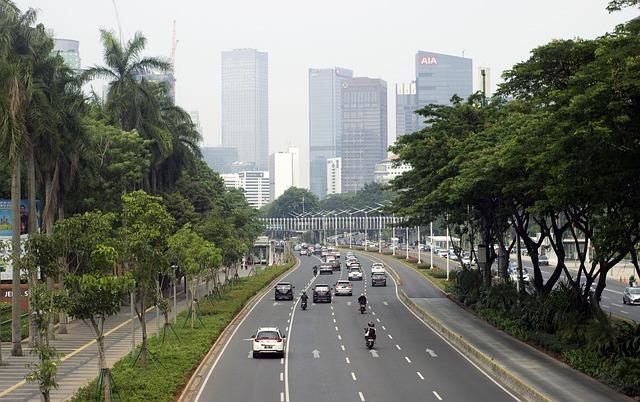
In a striking convergence of environmental and urban challenges, Jakarta is rapidly sinking, threatening the livelihood of millions and highlighting the deadly intersection of climate change and rampant overdevelopment. Once hailed as a vibrant economic hub in Southeast Asia, Indonesia’s sprawling capital now faces an existential crisis as rising sea levels inundate low-lying neighborhoods, while extensive land subsidence caused by unchecked groundwater extraction exacerbates the situation. This urgent plight serves as a stark reminder of the consequences of environmental neglect and unsustainable urban expansion. As the city grapples with the effects of climate change, the implications extend beyond its borders, offering critical lessons for other major cities around the world facing similar threats. In this article, we explore the factors contributing to Jakarta’s alarming descent, the impact on its residents, and the potential solutions that could save this bustling metropolis from an uncertain future.
Jakarta’s Alarming Descent: Examining the Impact of Climate Change and Urban Overdevelopment
As one of the most densely populated cities in the world, Jakarta faces an acute crisis exacerbated by climate change and unchecked urban expansion. A staggering approximately 40% of the city is now below sea level, making it particularly vulnerable to rising sea levels and severe flooding. The rapid reclamation of land for new developments has compounded the situation, with many areas experiencing a sink rate of up to 25 centimeters per year. Coupled with the persistent depletion of groundwater, the soaring rate of construction leads to a grim picture where the city could be submerged in coming decades. Local authorities now scramble to implement flood defenses while grappling with the reality of a city that’s rapidly disappearing beneath the waves.
In response to this impending calamity, urban planners and environmentalists advocate for sustainable development practices. Key proposed measures include:
- Enhanced green spaces to absorb rainwater and mitigate heat
- Implementation of stricter regulations on groundwater extraction
- The construction of barriers and canals to redirect floodwaters
- Collaborative efforts to restore coastal ecosystems, such as mangroves
Despite these initiatives, the city’s expansion continues at an alarming rate, driven by a growing population and economic demands. The struggle between development and preservation raises critical questions about Jakarta’s future viability. Many residents face daily challenges as they witness the consequences of both climate change and overdevelopment, casting uncertainty over what lies ahead for this bustling metropolis.
Lessons from Other Coastal Cities: Implementing Sustainable Solutions to Combat Jakarta’s Sinking Crisis
The plight of Jakarta, sinking at an alarming rate due to climate change and rapid urbanization, is not unique. Other coastal cities around the world have faced similar challenges and have implemented innovative solutions that Jakarta could adapt. For instance, cities like Amsterdam have embraced integrated water management systems that incorporate parks and green spaces to absorb rainwater, reducing floods. Meanwhile, New Orleans has focused on restoring natural wetlands, which serve as effective buffers against storm surges. The lessons from these cities underscore the importance of combining ecological principles with urban planning to create resilient urban environments.
Furthermore, a multifaceted approach could be instrumental in addressing Jakarta’s situation, where moving forward requires collaboration and investment in sustainable practices. Cities like Bangkok have successfully implemented raised structures and adaptive architecture to cope with rising water levels. A potential strategy includes:
- Investment in Green Infrastructure: Creating more green roofs and walls to manage rainfall effectively.
- Community Engagement: Involving local communities in the planning and implementation of sustainable practices.
- Innovative Drainage Solutions: Using permeable materials in construction to enhance water absorption.
Additionally, Jakarta might benefit from international partnerships that promote technology exchange and funding for infrastructure projects. The following table illustrates potential collaboration opportunities that can help Jakarta enhance its resilience against environmental challenges:
| City | Collaborative Focus | Expected Outcome |
|---|---|---|
| Amsterdam | Water Management Systems | Flood Reduction |
| New Orleans | Wetland Restoration | Coastal Protection |
| Bangkok | Adaptive Architecture | Building Resilience |
Urgent Policy Recommendations: Steps to Mitigate Flood Risks and Enhance Resilience in Jakarta
The urgent need for comprehensive strategies to address the ongoing flooding crisis in Jakarta is critical. To combat both the immediate threats and long-term challenges posed by climate change and overdevelopment, policymakers should prioritize nature-based solutions that restore and maintain the city’s natural ecosystems. Implementing green infrastructure within urban planning can help absorb excess stormwater and mitigate runoff. Key initiatives may include:
- Increasing green public spaces such as parks and green roofs
- Promoting the rehabilitation of mangroves along the coastal areas
- Enhancing the capacity of existing drainage systems
- Encouraging the construction of permeable pavements in residential and commercial areas
Additionally, strengthening regulations around land use is essential to prevent further unchecked development in vulnerable zones. Establishing a comprehensive urban zoning plan that restricts construction in flood-prone areas can prevent exacerbating existing issues. Further, integrating community awareness and emergency preparedness programs could empower residents to respond effectively during flooding events. Key actions include:
- Conducting regular community workshops on flood preparedness
- Implementing an early warning system that effectively communicates risks
- Fostering collaboration between government, NGOs, and local communities to enhance resource sharing
- Utilizing technology to monitor flood risks in real-time
Key Takeaways
As Jakarta faces the dual threats of climate change and rapid overdevelopment, the implications for its millions of residents are profound. The city’s struggle against sinking streets and rising waters serves as a stark reminder of the broader challenges that urban centers around the globe are increasingly encountering. With urgent calls for sustainable planning and effective management, stakeholders must work collaboratively to mitigate these devastating trends and protect the livelihoods of those most affected. As Jakarta navigates its precarious future, it stands at a crossroads-one that could set a precedent for resilient urban development or further entrench the vulnerabilities of cities in the face of a changing climate. The need for decisive action has never been clearer, urging both local and global communities to reckon with the fundamental issues of sustainability, planning, and climate justice. The fate of Jakarta may well echo the challenges facing many coastal cities worldwide, making it imperative to learn from its experiences as we collectively strive for a more sustainable future.