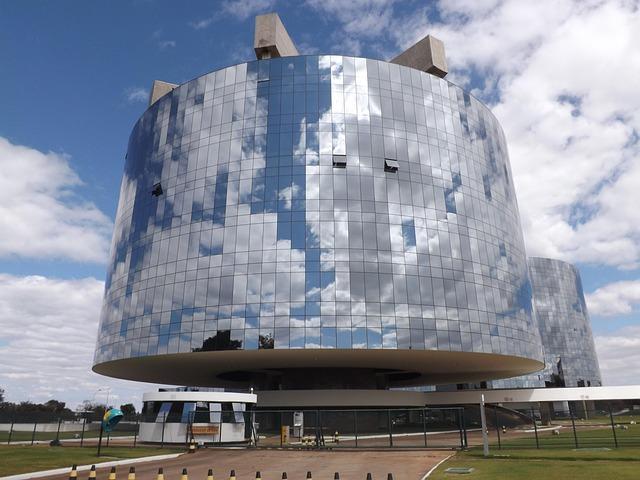
In the realm of modernist architecture and urban planning, Brasília and Chandigarh stand as two remarkable examples of visionary design, each embodying the hopes and aspirations of their respective nations. Separated by the vast expanse of the Atlantic Ocean, these cities emerge from distinct cultural contexts-Brazil and India-yet share a common purpose: to create utopian environments that reflect the ideals of progress and modernization. As Brasília celebrates its 63rd anniversary and Chandigarh marks a similar milestone, the unique qualities and architectural philosophies of these cities offer a fascinating comparison. From Oscar Niemeyer’s sweeping curves and bold forms in Brazil to Le Corbusier’s functionalism and geometric precision in India, both cities not only challenge the traditional notions of urban living but also invite us to explore the intricate relationship between architecture and society. This article delves into the stories behind these modernist metropolises, highlighting how their designs continue to shape and inspire urban landscapes across the globe.
Exploring the Architectural Parallels of Brasília and Chandigarh in Modernist Design
The architectural landscapes of Brasília and Chandigarh stand as two towering exemplars of modernist philosophy, embodying the aspirations and challenges of post-colonial nation-building. Both cities were meticulously crafted to reflect ideals of order, functionality, and symbolism, showcasing the vision of their creators: Oscar Niemeyer for Brasília and Le Corbusier for Chandigarh. These urban designs prioritize zoning, greenspaces, and community accessibility, embodying a departure from the chaotic informality of traditional urban centers. Their designers sought to create not just cities, but utopian environments that encouraged a new way of living, where every element served a defined purpose within a cohesive system.
| Characteristic | Brasília | Chandigarh |
|---|---|---|
| Planning Concept | Superquadras (superblocks) | Grid System |
| Key Features | Monuments and government buildings | Sector-based layout |
| Primary Material | Concrete and glass | Concrete |
| Green Spaces | Artificial lakes and parks | Public gardens and parks |
Despite their shared adherence to modernist principles, the feasibility and execution of these grand plans raise questions about their effectiveness in practice. Brasília, inaugurated in 1960, reflects Brazil’s ambitions to foster a sense of national identity and progress. Conversely, Chandigarh, initiated in the 1950s, was a response to the socio-political upheaval following India’s partition, aimed at addressing the needs of a diverse population. The cities face challenges that stem from their rigid structures, such as urban sprawl in Brasília and socio-economic disparities in Chandigarh. Nonetheless, both cities remain living laboratories of modernism, inviting ongoing dialogue and critical reflection on the realities of urban utopias.
Urban Planning Innovations and Challenges in Two Iconic Cities
Both Brasília and Chandigarh serve as fascinating case studies in urban planning, showcasing how modernist aspirations can manifest in built environments. Brasília, designed by architect Oscar Niemeyer and urban planner Lúcio Costa, is characterized by its distinct pilot plan and striking governmental buildings. The city’s design not only aimed for aesthetic appeal but also sought to symbolize social integration and equal opportunity through urban layout. On the other hand, Chandigarh, designed by Le Corbusier, embodies a modernist vision of individuality and functionality, incorporating features like wide avenues and green spaces that cater to both pedestrians and vehicles. Both cities exemplify bold architectural statements, yet they face their respective challenges, including socio-economic disparities and the strain of managing rapid urbanization.
Despite their iconic status, Brasília and Chandigarh wrestle with the consequences of their utopian ideals. Issues such as traffic congestion, environmental sustainability, and housing shortages threaten to undermine the initial visions of these cities. Urban planners are now tasked with addressing these challenges by innovating strategies that incorporate sustainable practices and community engagement in future developments. Both cities are exploring options like smart city technology to improve urban life and enhance the functionality of public spaces. As these two modernist hubs evolve, their ability to adapt to contemporary demands while preserving their unique identities will be crucial for their lasting legacy.
Lessons in Sustainability: How Brasília and Chandigarh Address Modern Urban Needs
Both Brasília and Chandigarh were meticulously designed in the mid-20th century as responses to pressing urban challenges, striving to create harmonious environments that foster sustainable living. Brasília’s unique urban planning is characterized by its Integration of green spaces and broad avenues, promoting pedestrian-friendly access while minimizing vehicular pollution. The city employs an innovative approach to public transportation by introducing vast bus rapid transit systems that significantly reduce traffic congestion and enhance air quality. Similarly, Chandigarh’s blueprint, crafted by Le Corbusier, emphasizes urban greenery and landscape architecture, promoting biodiversity while providing varied spaces for residents to engage with nature. The city’s layout encourages the use of bicycles and walking, allowing the population to adopt eco-friendly transportation methods effortlessly.
Moreover, both cities recognize the importance of community engagement in achieving sustainability. Brasília’s community centers serve as hubs for residents to gather, facilitating workshops and promoting local initiatives that inspire environmental stewardship. In Chandigarh, the emphasis on open spaces encourages farmers’ markets and local crafts, fostering economic sustainability and reducing the carbon footprint associated with transporting goods. These programs underscore the necessity of collaboration among citizens, planners, and policymakers in building resilient urban environments. By prioritizing green infrastructure and sustainable practices, Brasília and Chandigarh not only address contemporary urban needs but also create templates for future cities striving to balance development with ecological responsibility.
Future Outlook
In conclusion, the comparison between Brasília and Chandigarh reveals not only the innovative spirit of modernist architecture but also the distinct cultural narratives that shaped these two urban landscapes. While Brasília, crafted under the vision of Oscar Niemeyer, embodies the aspirations of Brazil’s post-war identity, Chandigarh, designed by the legendary Le Corbusier, reflects India’s pursuit of a new societal structure post-independence. Despite being separated by vast oceans, these cities share a common thread in their ambition to redefine urban living through architectural boldness. As we examine the legacies of Brasília and Chandigarh, we are reminded of the ongoing dialogue between culture, architecture, and society, inspiring future generations of architects and urban planners to dream beyond the constraints of tradition. As both cities continue to evolve, their stories challenge us to reconsider what it means to build a utopia in the modern world.