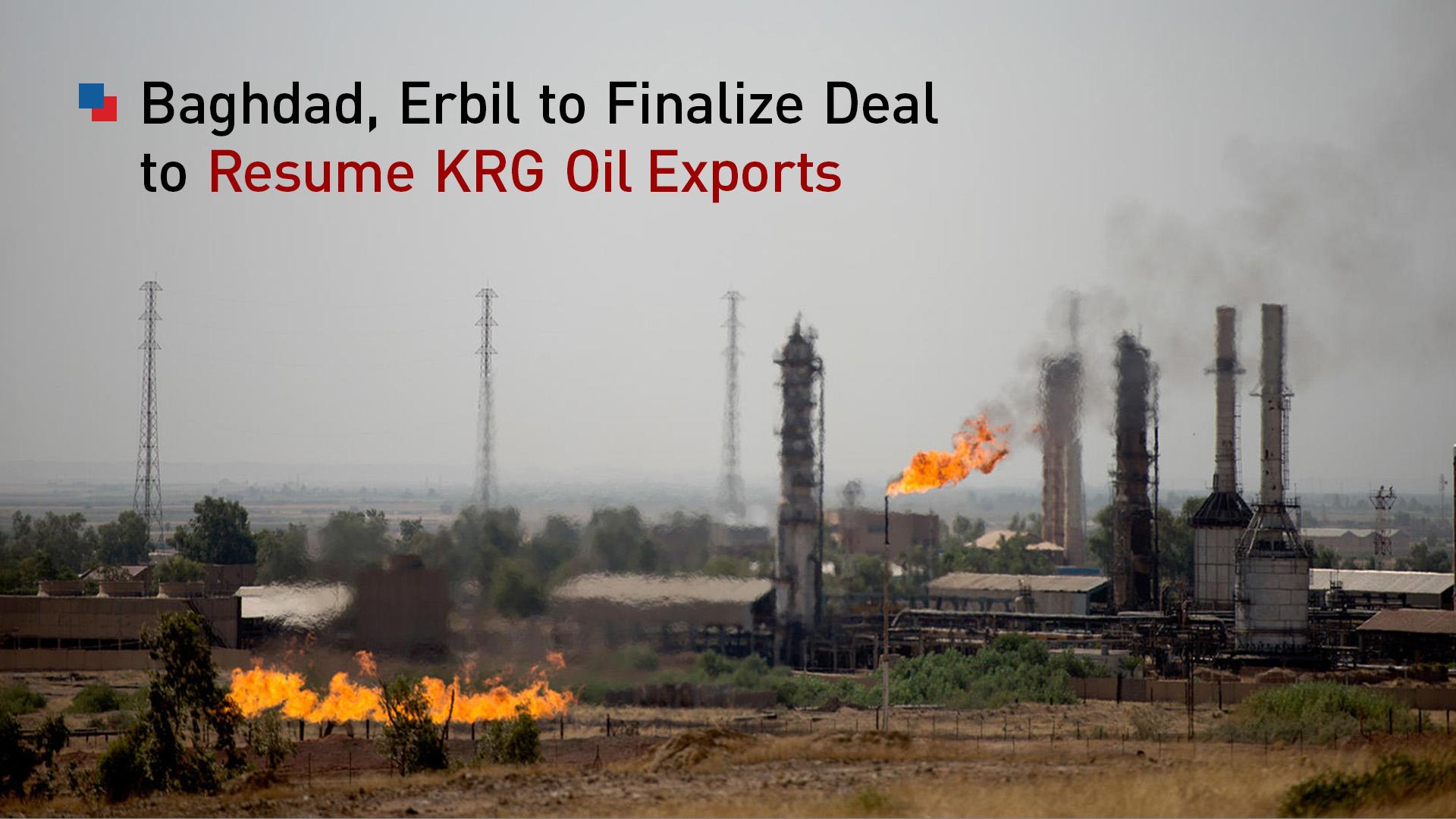
In a pivotal moment for Iraq’s economic landscape, the recent Baghdad-Erbil oil deal has emerged as a focal point of discussion among policymakers and analysts alike. This agreement, forged between the federal government in Baghdad and the Kurdistan Regional Government (KRG), raises critical questions about its long-term implications for oil revenue sharing, governance, and regional stability. With Iraq’s economy heavily reliant on oil exports, the success of this deal could signal a path toward greater cooperation between the central government and the semi-autonomous Kurdish region-or it might merely serve as a temporary fix to longstanding tensions. As stakeholders assess the agreement’s potential impact on the broader geopolitical landscape, this article explores whether the Baghdad-Erbil oil deal is a promising blueprint for settlement or simply a stopgap solution amidst an ongoing struggle for control and resources.
Oil Revenue Sharing: Evaluating the Long-term Implications of the Baghdad-Erbil Agreement
The agreement between Baghdad and Erbil over oil revenue sharing is pivotal, raising questions about the sustainability of such arrangements in the long term. While the deal may provide a temporary remedy to the contentious fiscal issues between the federal government and the Kurdistan Regional Government (KRG), its effectiveness hinges on several factors. Key considerations for the longevity of this agreement include:
- Political Stability: Ongoing political tensions in both Baghdad and Erbil could undermine compliance with the terms of the deal.
- Economic Viability: Fluctuations in global oil prices may impact the equitable distribution of revenues, complicating long-term financial planning.
- Legal Framework: The absence of a robust legal infrastructure could lead to disputes over the interpretation and execution of the agreement.
Moreover, the deal could serve as a template for similar arrangements in the region, fostering intergovernmental cooperation in resource management. However, it is essential to approach such collaborations cautiously, as underlying grievances may resurface if the terms are not upheld. The following table illustrates potential scenarios based on compliance and global oil market conditions:
| Scenario | Outcomes |
|---|---|
| Full Compliance | Increased economic stability and potential for expansion of bilateral relations. |
| Partial Compliance | Continued disputes and potential isolation of KRG, leading to unanticipated economic strain. |
| Non-compliance | Risk of escalated tensions and breakdown of trust, potentially leading to renewed conflicts. |
Geopolitical Tensions and Economic Dependencies: The Risks Behind the Oil Deal
The recent oil deal between Baghdad and Erbil has drawn attention not only for its economic implications but also for the underlying geopolitical tensions that frame its feasibility. While the agreement promises mutual benefits, such as increased revenue and energy stability, it also exposes significant vulnerabilities rooted in political relationships and regional dynamics. These dependencies could exacerbate tensions, particularly amid ongoing disputes over resource control and territorial integrity. As Iraq grapples with internal divisions and external pressures, the potential for disruption looms large over the agreement’s longevity.
Moreover, the deal’s structure raises questions about long-term sustainability and regional stability. Should geopolitical players, including neighboring nations and global powers, become more involved, the arrangements may shift, leading to unpredictability. Analysts point out that reliance on oil exports ties the economic health of both Baghdad and Erbil to external market fluctuations and diplomatic relations. Some key risks include:
- Escalation of regional rivalries that could jeopardize the agreement.
- Economic shocks from fluctuating oil prices impacting revenue streams.
- Political instability, which may trigger rifts within the Iraqi government or between the KRG and Baghdad.
Ultimately, while the oil deal offers a framework for cooperation, it may serve more as a temporary solution rather than a comprehensive strategy for lasting peace and stability in the region.
Path Forward: Strategic Recommendations for Sustainable Cooperation in Iraqi Oil Management
To build on recent agreements between Baghdad and Erbil, several strategic recommendations can ensure a more sustainable approach to oil management in Iraq. First, establishing a transparent revenue-sharing model is essential for fostering trust between the Iraqi government and the Kurdistan Regional Government (KRG). This model should prioritize the equitable distribution of oil revenues, reflecting each party’s contributions and reinforcing fiscal accountability. Key steps include:
- Regular audits of oil production and export figures to prevent discrepancies.
- Joint committees to oversee financial flows and dispute resolutions.
- Stakeholder engagement to include civil society and local communities in dialogues about revenue use.
Furthermore, enhancing infrastructure and refining capacity is crucial for maximizing oil production benefits. Both parties must agree on long-term investments that improve supply chains and processing facilities. This could include:
| Investment Area | Description |
|---|---|
| Pipeline Expansion | Upgrade existing pipelines to increase efficiency and reduce maintenance costs. |
| Refinery Upgrades | Implement technology improvements to enhance output quality and reduce environmental impact. |
| Cross-border Partnerships | Establish collaborations with international firms to attract foreign investment and expertise. |
Closing Remarks
As the Baghdad-Erbil oil deal unfolds, its implications extend far beyond the immediate economic benefits for both the Iraqi federal government and the Kurdistan Regional Government. While the agreement may serve as a temporary remedy to longstanding tensions over oil revenues, it raises critical questions about the sustainability of such arrangements in fostering genuine reconciliation and stability. Observers will be closely watching how this deal impacts regional relations and whether it can pave the way for a more comprehensive settlement that addresses the root causes of conflict between the two parties. As Iraq navigates the complexities of its national identity and resource management, the coming months may reveal whether this oil deal is indeed a blueprint for a more collaborative future or merely a stopgap measure in a protracted struggle for autonomy and control. With the stakes higher than ever, the path forward remains uncertain, urging stakeholders to prioritize dialogue and cooperation in the oil-rich landscape of Iraq.