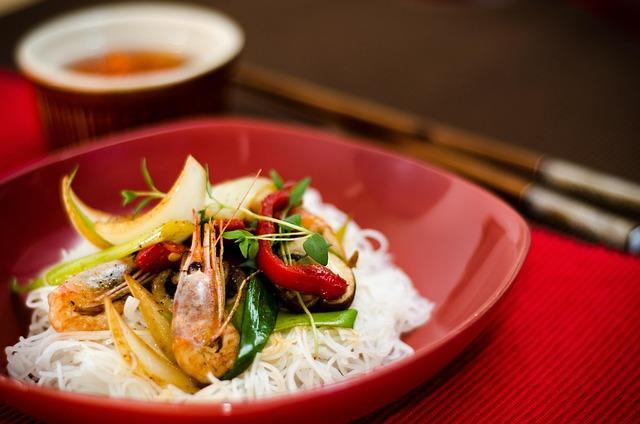
China Focus: A Deep Dive into the Timeless Flavors of Chinese Noodles
As the sun rises over bustling streets brimming with life, the unmistakable aroma of freshly made noodles wafts through the air. In China, noodles are not merely a staple food; they are a culinary art form steeped in rich history and tradition. From the delicate strands of hand-pulled noodles to the hearty embrace of thick, flat varieties, each dish tells a story rooted in centuries of cultural significance. In this article, we explore the diverse world of Chinese noodles, examining not only their varied textures and flavors but also their profound connection to the nation’s history. Join us as we slurp our way through this flavorful journey, uncovering the timeless practices and regional nuances that have made Chinese noodles a beloved comfort food across generations.
Reviving Traditional Techniques in Chinese Noodle Craftsmanship
In the bustling noodle shops across China, the art of noodle-making is undergoing a renaissance as artisans seek to uphold centuries-old techniques. These traditional methods, often passed down through generations, provide not only a culinary delight but also a deep connection to cultural heritage. Hand-pulling and hand-rolling are two prominent techniques that create the iconic chewy texture and distinct flavors of noodles. Each strand tells a story, reflecting the skills and dedication of the craftsperson behind it. As urbanization and modernity threaten to overshadow these practices, a growing movement is advocating for their preservation, ensuring that the art of noodle-making remains vibrant and relevant in today’s fast-paced world.
Emphasizing authenticity, many chefs are venturing back to the basics, sourcing local grains and using organic ingredients to craft noodles that resonate with tradition. Workshops and culinary schools are now embracing these age-old practices, training aspiring chefs in the nuanced art of noodle crafting. Highlights of this revival include:
- Workshops offering hands-on experience in noodle pulling and rolling techniques.
- Culinary competitions that focus solely on traditional noodle-making skills.
- Collaborations between modern chefs and traditional artisans to create innovative dishes.
Exploring Regional Variations: A Culinary Journey Through China’s Noodle Heritage
China’s noodle heritage is a rich tapestry woven from diverse regional traditions, each strand carrying the essence of local culture and ingredients. From the doughy delights of northern wheat noodles to the rice-based varieties of the south, every region offers a unique take on this staple food. In Lanzhou, the iconic knife-cut noodles are served in a fragrant beef broth, while the hand-pulled noodles of Xi’an are famous for their spicy sauces and generous toppings. The contrast between the silky, smooth rice noodles of Guangzhou and the thick, chewy udon-style noodles found in Chengdu highlights the varied climates and agricultural practices across the country, making every bowl a reflection of its surroundings.
As we traverse from Sichuan’s bold flavors to the milder, nuanced profiles of Hangzhou, the significance of noodles extends beyond mere sustenance; it is intertwined with celebrations and traditions. Noodles are often featured prominently during festivals, symbolizing longevity and prosperity, making each bite a celebration of history. Restaurants like Yang’s Fried Dumplings in Shanghai and Yunnan Rice Noodle House in Beijing exemplify how regional recipes adapt while honoring their ancestral roots. This culinary journey encapsulates not just the diversity of flavors, but the story of China’s evolution, with each noodle telling tales of migration, trade, and cultural exchange.
The Perfect Pairing: Enhancing Your Noodle Experience with Authentic Accompaniments
To truly appreciate the rich flavors and cultural history embedded in each strand of Chinese noodles, it’s essential to explore authentic accompaniments that elevate the dining experience. These pairings not only enhance the taste but also bring a sense of harmony and tradition to the table. Consider the following options for a holistic noodle affair:
- Chili Oil: A spicy drizzle that adds heat and a depth of flavor.
- Fermented Black Beans: Adds a savory umami punch, perfect for stir-fried dishes.
- Sesame Paste: Creamy and nutty, perfect for cold noodles.
- Fresh Herbs: Cilantro and scallions offer a refreshing contrast to the rich noodles.
- Soy Sauce: A foundational staple that enhances and balances the dish.
Moreover, pairing noodles with the right sides can create a symphony of flavors reminiscent of Chinese culinary heritage. Accompaniments such as crispy garlic pancakes or tangy pickled vegetables can instantly transform a simple noodle dish into a feast for the senses. Below is a brief comparison of popular noodle accompaniments:
| Accompaniment | Flavor Profile | Best Paired With |
|---|---|---|
| Spicy Bean Paste | Spicy, Sweet, and Savory | Wheat Noodles |
| Chopped Peanuts | Nutty and Crunchy | Cold Noodles |
| Water Spinach | Fresh and Earthy | Beef Noodle Soup |
Wrapping Up
In conclusion, the enduring legacy of Chinese noodles transcends mere sustenance, embodying a rich tapestry of culture, history, and artistry. As diners continue to savor the intricate flavors and textures of these culinary marvels, each strand serves as a reminder of centuries-old traditions and regional variations that define China’s gastronomic landscape. From bustling street stalls to elegant restaurants, noodles remain a quintessential symbol of Chinese cuisine, inviting both locals and global enthusiasts to partake in a shared experience rooted in heritage. As China steadily modernizes, the reverence for these timeless flavors ensures that the art of noodle-making will endure, continuing to connect generations through the simple yet profound act of slurping. As we look to the future, the evolution of this beloved staple promises to reflect not only the dynamism of Chinese culinary innovation but also the unwavering spirit of a culture that honors its past while embracing the possibilities of tomorrow.